
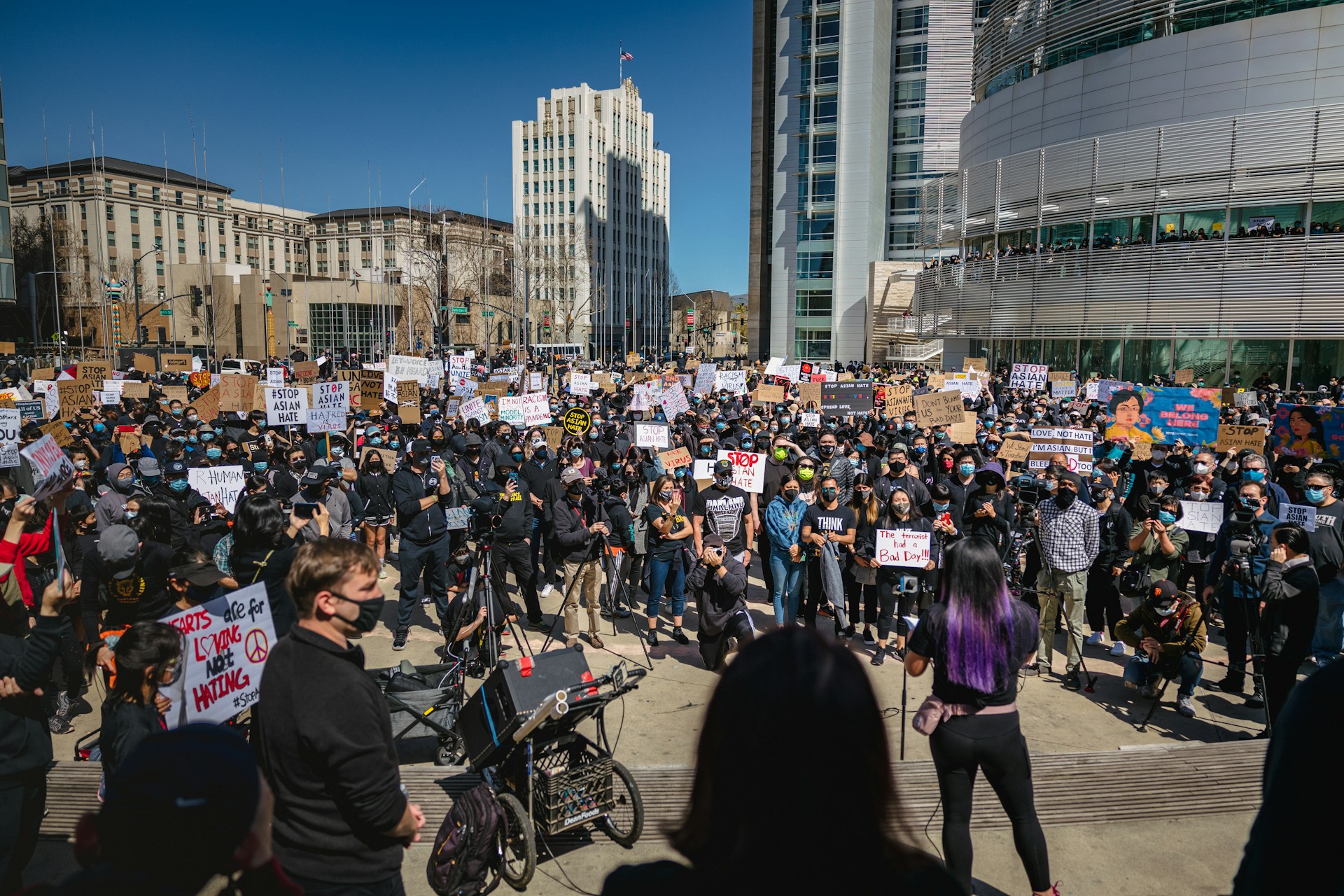
PARIS — Tens of thousands of demonstrators took to the streets across France on Saturday in a rapidly expanding movement over rising living costs, systemic economic inequality, and deteriorating standards in public education.
The nationwide day of action brought renewed clashes between security forces and demonstrators in several major urban centers. Police launched rounds of tear gas to disperse crowds in central Paris, while authorities reported at least 160 arrests nationwide as marches disrupted transit corridors and public landmarks.
Escalation in Paris and Major Regional Hubs
In the capital, thousands of protesters filled major thoroughfares, forcing local authorities to shut down key metro stations and step up security checks around sensitive areas including the Arc de Triomphe and the Champs-Élysées. Heavy police units repeatedly pushed back groups of demonstrators who broke away from authorized routes:
- Capital Dispersals: Riot police fired tear gas and used containment tactics near the Place de la République and central avenues after unauthorized marches formed. Authorities confirmed 40 arrests in Paris alone during early-day clearing operations, mostly citing weapons possession or unauthorized protective gear.
- Regional Outbreaks: Similar confrontations unfolded in southern and eastern cities. In Marseille, demonstrators set barricades and trash receptacles alight along central avenues, while minor clashes and street blockades were reported in Lyon and Rennes.
- National Detentions: Law enforcement officials stated that over 160 individuals had been taken into police custody across more than 140 registered protest actions nationwide.
From High School Blockades to Broad Economic Unrest
The current wave of demonstrations originated last month as a student-led campaign in high schools (lycées) across Paris’s northern suburbs. Students initially organized sit-ins and school blockades to highlight chronic teacher absences, overcrowded classrooms, and neglected infrastructure.
Over recent weeks, however, the movement broadened into a multi-generational coalition addressing wider social and financial pressures:
- Cost of Living Pressures: Soaring energy tariffs, elevated fuel prices, and persistent inflation on basic groceries have drawn working families, union members, and “Yellow Vest” organizers into the rallies alongside youth groups.
- Public Service Cuts: Demonstrators argue that falling public investment in education and social healthcare reflects a wider erosion of France’s traditional social safety net.
- Scrutiny of Police Conduct: Growing numbers of youth injuries during earlier school blockades have heightened scrutiny of police tactics, further fueling turnout and public friction.
Government Response and Political Tensions
The French government has adopted a firm stance, deploying heavy security contingents around government buildings and regional prefectures.
Prime Minister Sébastien Lecornu and Interior Ministry officials blamed radical political elements for escalating the violence and encouraging unannounced blockades. Government ministers accused opposition parties of attempting to weaponize student frustration for political gain—an assertion firmly rejected by organizers and civil rights groups, who maintain the rallies represent a spontaneous grassroots reaction to economic strain.
President Emmanuel Macron issued a public call for calm, urging respect for public property while reiterating that democratic debate must occur without violence. Despite official appeals, student federations and labor organizations indicate that further strikes and street actions are planned for the coming days.
Jason-Leung- Protesters Picture On-Unsplash









