Thank you, Mr Chair. We stand in full solidarity with our allies following the drone strikes on commercial vessels in the Black Sea since we last met. These include ships hit inside Romanian territorial waters and the vessel that capsized in Bulgaria’s exclusive economic zone. These irresponsible attacks on civilian shipping are a direct consequence of Russia’s illegal war of aggression against Ukraine. They endanger the lives of seafarers, threaten freedom of navigation and undermine security across the whole OSCE region.
Russia is failing on the battlefield. In October it suffered over 54,000 casualties, the highest monthly total of the entire war. Between August and October it made its smallest territorial gains since 2023. At this rate, Russia will take less than half of one per cent of Ukraine this year, at the cost of more than 470,000 casualties. It has not taken a single strategically important town or city in 2026.
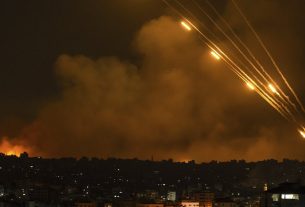
Unable to win on the front line, Russia is expanding its strikes. In October it fired a record 4,000 jet drones and around 150 ballistic missiles into Ukraine, hitting mainly civilian energy infrastructure. On the night of 2 to 3 November, it launched its largest attack on Ukraine’s energy system this year. This forced three thermal power plants offline and left hundreds of thousands in Kyiv without running water for up to 24 hours. That same day, glide bombs struck a humanitarian aid distribution centre in Komyshuvakha, killing more than 50 civilians.
Russia’s Ministry of Defence has warned that Ukrainians will “freeze” this winter. The Kremlin has described Ukraine’s civilian energy system as its “Achilles heel”. In the absence of success on the battlefield Russia is trying to improve its negotiating position through fear. Threatening the civilian population with freezing must never be used as a negotiation tactic.
The International Criminal Court has issued arrest warrants alleging senior Russian commanders have directed attacks at civilian objects through strikes on Ukraine’s electricity infrastructure; a war crime. Deliberately depriving civilians of heat, light and water as temperatures fall below freezing is not a military strategy. It is a strategy of terror.
Mr Chair, Ukraine has agreed to a full, immediate and unconditional ceasefire, and to a full energy ceasefire. Russia has refused both. It speaks of peace, while its missiles strike power stations. It speaks of security, while its drones hunt the substations that heat Ukrainian homes. A state that was serious about peace would not escalate its attacks on civilians while diplomacy is under way. Russia’s actions tell us far more about its intentions than its words.
In the Helsinki Final Act, every participating State committed to refrain from the threat or use of force, to respect the territorial integrity of other States, and to fulfil its obligations in good faith. Russia’s conduct violates all three.
Ukraine is exercising its inherent right of self-defence under Article 51 of the UN Charter. It is exercising that right when protecting its cities and its power grid from near daily Russian attacks. That is why the United Kingdom, as co-chair of the Ukraine Defence Contact Group, is urging partners to provide the air defence Ukraine needs this winter. It is also why we have committed a further £500 million in support.
Mr Chair, Russia cannot bomb its way to the victory it has failed to win on the battlefield. And plunging millions of civilians into cold and darkness doesn’t bring a just and lasting peace any closer. The United Kingdom will continue to stand with Ukraine for as long as it takes. Thank you, Mr Chair.
This article was originally published on https://www.gov.uk/government/speeches/russia-cannot-bomb-its-way-to-victory-uk-statement-to-the-osce. It is shared here under a Creative Commons license.