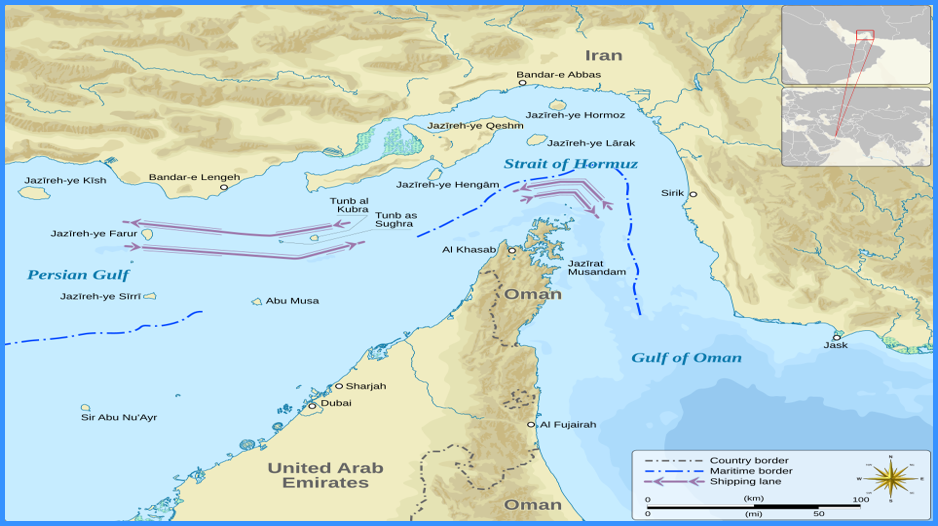
TEHRAN / WASHINGTON — Iranian and U.S. officials remain at a strategic impasse over security in the Strait of Hormuz, with Tehran accusing Washington of causing maritime instability and the United States demanding structural concessions on Iran’s nuclear capabilities before easing pressure.
The exchange underscores a widening diplomatic divide between the two nations over how to restore safe commercial navigation through one of the world’s most critical energy transit corridors.
Tehran Demands End to U.S. Naval Blockade and Sanctions
Speaking at a joint press conference in Tehran alongside Russian Foreign Minister Sergei Lavrov, Iranian Foreign Minister Abbas Araqchi asserted that security in the waterway can only be established through regional diplomacy without Western military presence.
Araqchi reiterated Tehran’s proposed “seven-day plan”—conveyed through Qatari mediators—under which Iran offers to restore normal shipping traffic through the strait if Washington fulfills specific conditions:
- Lifting Port Restrictions: An immediate end to U.S. naval blockades targeting Iranian ports.
- Economic Sanctions Relief: The removal of American sanctions impacting Iranian oil exports.
- Cessation of Hostilities: A comprehensive pause in U.S. military operations across regional fronts.
“We welcome any initiative that leads to security from within without the presence of foreign forces, and consider it the right move,” Araqchi stated, maintaining that Tehran remains ready for dialogue based on mutual respect rather than external coercion.
Washington Links Maritime Reopening to Nuclear Reductions
The United States has firmly rejected Iran’s framing, maintaining that Tehran’s coercive maritime actions and regional proxy activity are the primary drivers of instability in the Arabian Gulf.
U.S. officials insist that any formal negotiations must prioritize nuclear non-proliferation alongside shipping security:
- Substantial Enrichment Cutbacks: U.S. Vice President JD Vance stated that Iran must make a “meaningful” reduction in its nuclear enrichment capacity to satisfy Washington’s security demands and reach a broader settlement.
- Defensive Military Measures: U.S. President Donald Trump defended American naval deployments and military actions as necessary steps to neutralize Iranian nuclear threats and safeguard international commerce. Trump added that he expects the conflict to resolve quickly once Iran complies with non-proliferation standards.
- Sequencing Disagreements: Washington maintains that discussions cannot focus solely on sanctions relief and commercial shipping while Iran continues to advance its underlying nuclear program.
Diplomatic Outlook
With both sides holding opposing views on the sequencing of talks, the Strait of Hormuz remains heavily guarded and subject to severe transit disruptions. International energy analysts note that until Washington and Tehran establish a mutually acceptable framework balancing nuclear safeguards with sanctions relief, maritime trade through the choke point is likely to remain restricted.
Iranian Foreign Minister Detailing Hormuz Proposal
This video provides direct coverage of Iranian Foreign Minister Abbas Araqchi outlining the details and conditions of Tehran’s seven-day proposal regarding the Strait of Hormuz.
Strait-of-Hormuz-Wikimedia-Picture-by-Goran_tek-en