New Director of UK Astronomy Technology Centre announced – UKRI

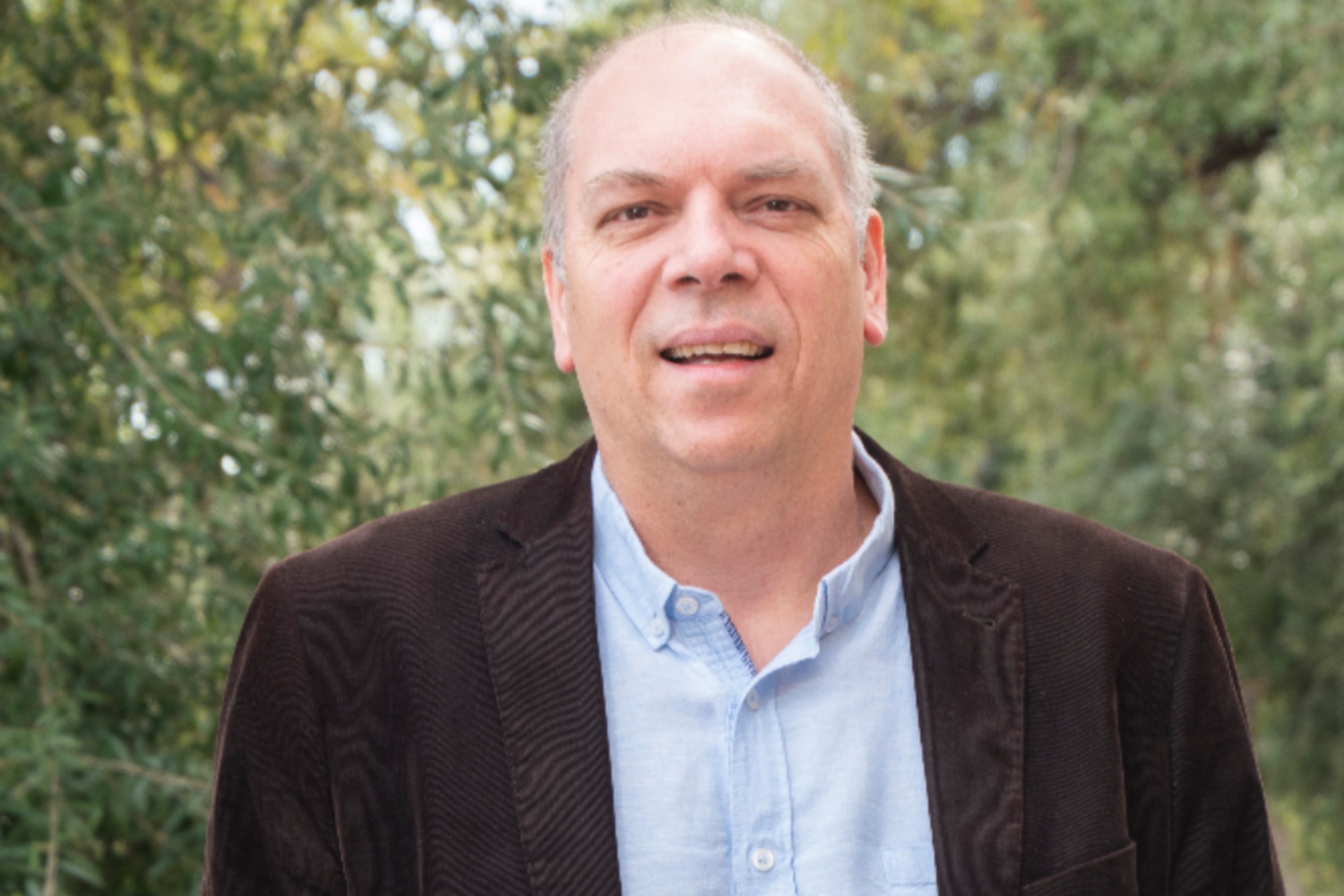
Professor Dumas will also take over as head of the STFC Royal Observatory Edinburgh (ROE) site where the UK ATC is based, alongside The University of Edinburgh’s Institute for Astronomy. Wealth of experience Professor Dumas has a strong background in managing large, complex astronomy projects. He previously served as the Head of Operations and an […]

Continue Reading

How astronomers work out the size of the Solar System

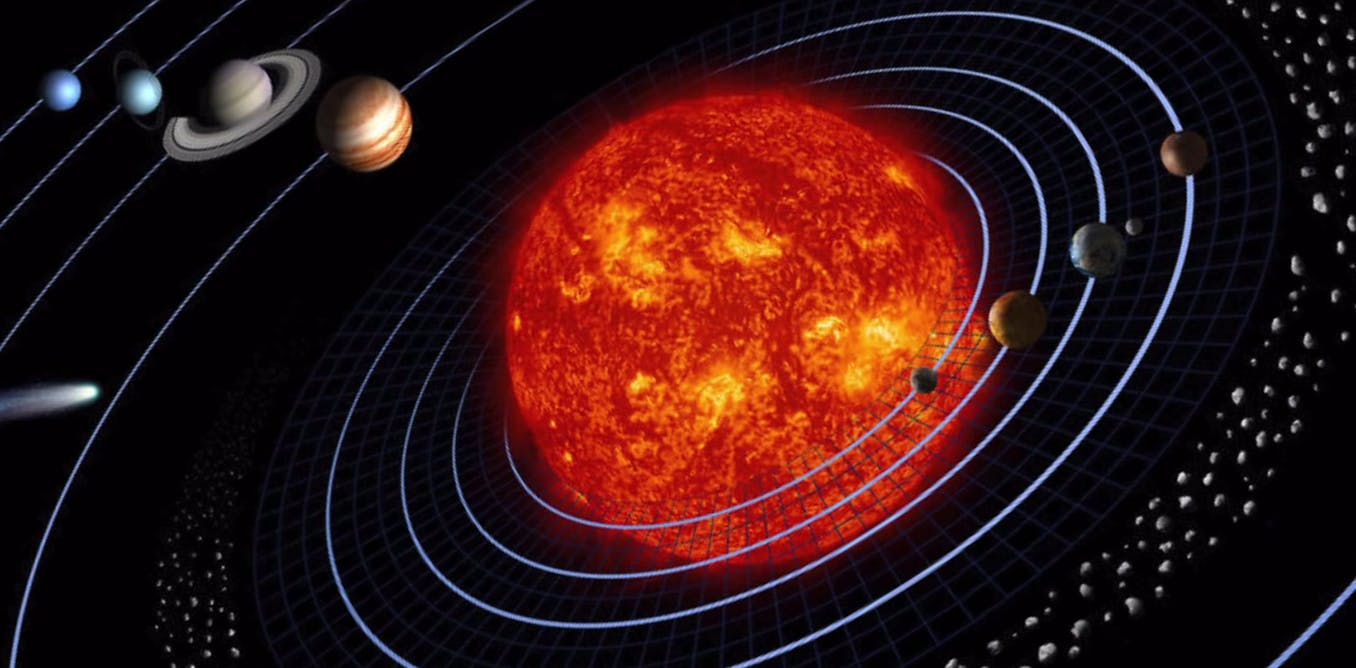
The size of the solar system is defined by the volume of space over which the Sun’s influence exceeds those of other nearby stars in the Milky Way galaxy. This influence derives from two fundamental forces of nature: gravity and magnetism. Let’s tackle gravity first. Every object in the solar system experiences a gravitational pull […]

Continue Reading

‘It works!’: The Ness Ziona company that solved NASA’s big problem

NASA is primarily known in Israel as the American space agency, the elite team of test pilots and brilliant engineers who managed to land on the moon, develop the space shuttle, and land research spacecraft on Mars. These are the people who defeated the Soviet Union in the most expensive race in human history. However, […]

Continue Reading

Partnership boosts UK access to most powerful quantum technologies – UKRI

This access is possible through a new agreement between the Science and Technology Facilities Council’s (STFC) Hartree Centre and Quantinuum, a global leader in quantum computing. This collaboration aims to expand access to industry-leading quantum computing hardware for businesses and scientific researchers, supporting the UK’s roadmap to achieving quantum advantage. Quantum advantage marks the point […]

Continue Reading

The five scholars who won two Nobel prizes – and what sets them apart

There is often much debate about who is the greatest among sportsmen and women, movie stars, leaders or artists. But some scholars have truly made a staggering difference to the world. Winning a Nobel prize is a rare, extraordinary achievement, but five remarkable people have done it twice. Who are they? What sets them apart? […]

Continue Reading

Why consciousness may have evolved to benefit society rather than individuals

Why did the experience of consciousness evolve from our underlying brain physiology? Despite being a vibrant area of neuroscience, current research on consciousness is characterised by disagreement and controversy – with several rival theories in contention. A recent scoping review of over 1,000 articles identified over 20 different theoretical accounts. Philosophers like David Chalmers argue […]

Continue Reading

The people we like can influence the connections our memory makes

Memory is so much more than a storage unit in our minds. The people involved in memories influence what we recall, and, as our study shows, the connections we make between memories. Our memory helps us learn from experiences and develop new knowledge by integrating and updating information. This process goes beyond recalling individual events; […]

Continue Reading

our model combines data and behavioural science to map the psychological games cybercriminals play

When fiction’s most famous detective, Sherlock Holmes, needed to solve a crime, he turned to his sharp observational skills and deep understanding of human nature. He used this combination more than once when facing off against his arch-nemesis, Dr James Moriarty, a villain adept at exploiting human weaknesses for his gain. This classic battle mirrors […]

Continue Reading

Fusion power could transform how we get our energy — and worsen problems it’s intended to solve

Harnessing energy from nuclear fusion – the combining of nuclei, which lie within atoms – could be instrumental in the shift towards a decarbonised global energy system. As issues of climate change and energy security are becoming increasingly salient, the promise of an apparently “clean”, “abundant” and “safe” energy source, such as fusion, is ever […]

Continue Reading