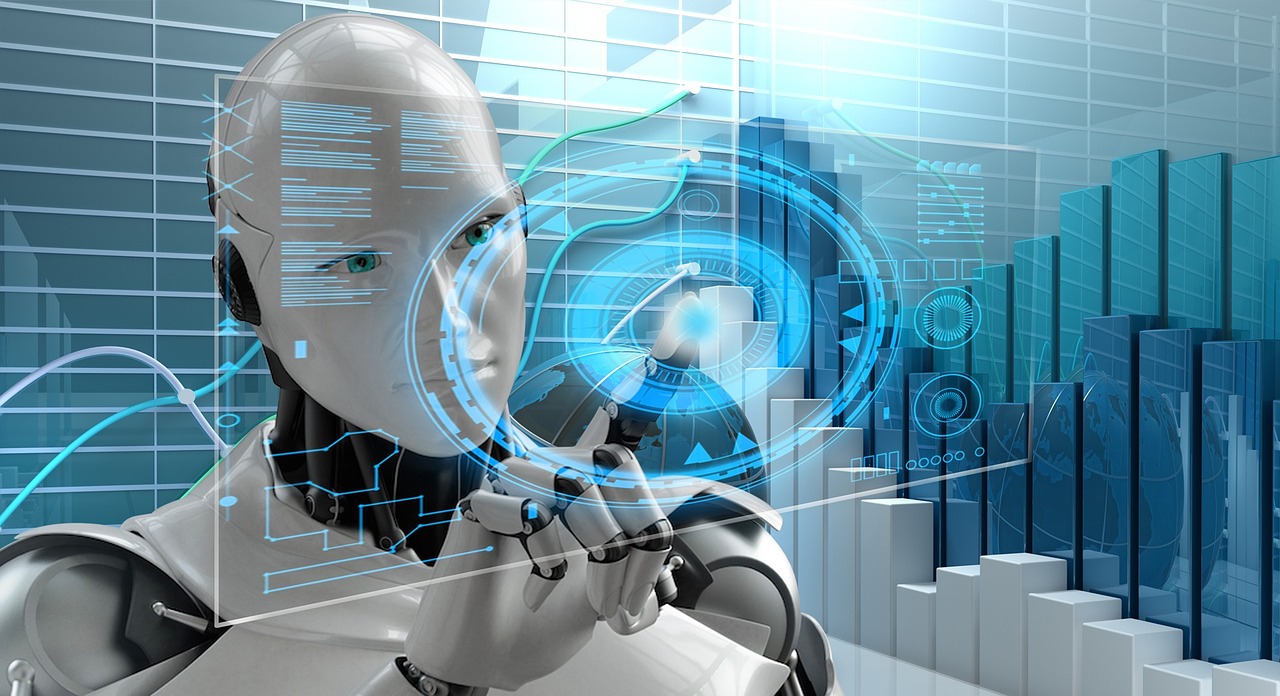
As artificial intelligence adoption accelerates across global enterprises, sensationalist narratives predicting total mass unemployment are increasingly giving way to a more complex economic reality.
While advanced automation and generative models are fundamentally transforming knowledge work, industry analysts emphasize that AI will not cause the apocalyptic workforce collapse often portrayed in headlines. Instead, it is triggering a structural shift—redefining professional roles toward AI quality control, accelerating a renaissance in specialized handwork, and empowering agile small-scale enterprises.
The Shifting Labor Landscape: From Creation to Verification
Rather than eliminating the need for human labor, AI is altering the core characteristics of professional output. In white-collar sectors, routine content generation and basic data processing are being rapidly automated. Consequently, the human workforce is pivoting toward gatekeeping, quality control, and rigorous verification of machine-generated outputs.
Evolution of Modern Enterprise Workflow Dynamics
+-------------------------------------------------------------------------+
| KNOWLEDGE & DESK WORK                                                   |
| * Shift from primary creation to AI output verification, editorial      |
|   oversight, and systemic quality assurance.                            |
|                                                                         |
| PHYSICAL & HANDWORK SECTORS                                             |
| * Resurgence in skilled trades, masonry, handymen services, and custom   |
|   craftsmanship as robotics remain constrained by cost and regulation.  |
|                                                                         |
| ENTERPRISE ADAPTABILITY                                                 |
| * Early experimenters blending traditional craft with autonomous systems|
|   achieve unprecedented efficiency and agility.                         |
+-------------------------------------------------------------------------+
Simultaneously, while humanoid and industrial robotics advance, their widespread deployment remains heavily regulated, capital-intensive, and restricted primarily to hazardous, heavy industrial sectors. This leaves everyday working-class handworks, trade systems, and skilled manual crafts in higher demand than ever before.
The Rise of the Modern “Master Mason” and Skilled Trades
Economic strategists note a surprising counter-trend: as digital interactions become ubiquitous, tangible, physical work is experiencing a cultural and financial premium.
Just as the historical guilds and freemasons of old formed the bedrock of working-class stability, today’s skilled tradesmen—electricians, plumbers, specialized masons, and independent handymen—occupy an automation-resistant niche. This structural shift is elevating the value of hands-on technical proficiency, proving that physical craftsmanship is deeply resilient against digital disruption.
Empowering Small Players and Leveling the Playing Field
For smaller enterprises, early experimentation with hybrid workflows—combining traditional labor practices with modular AI tools—is unlocking unprecedented competitive advantages.
Competitive Advantages in the AI-Infused Market
+-------------------------------------------------------------------------+
| AGILITY FOR SMALL PLAYERS                                               |
| * Low-overhead startups leverage autonomous software systems to scale    |
|   operations without massive administrative headcounts.                 |
|                                                                         |
| SYSTEMIC EFFICIENCY                                                     |
| * Mixing foundational work traditions with AI architecture creates lean,|
|   high-performance procedural frameworks.                               |
|                                                                         |
| DUAL-EDGE SECURITY DYNAMICS                                             |
| * The watchword for industry leaders: propel positive technological     |
|   advancements while actively fortifying defenses against cybercrime.   |
+-------------------------------------------------------------------------+
By utilizing autonomous systems for administrative scaling, inventory management, and client coordination, agile small businesses can compete favorably against legacy corporations that are slower to adapt.
Two-Sided Perspectives on the Automation Transition
The rapid evolution of AI and robotics has intensified global debates among economists, policymakers, and labor advocates regarding the speed and fairness of the transition.
Perspectives on the AI and Automation Workforce Shift
+-------------------------------------------------------------------------+
| TECHNOLOGICAL INNOVATORS & ENTREPRENEURS                                |
| * Emphasize that AI lowers barriers to entry, enabling small players    |
|   to innovate, scale, and disrupt stagnant legacy industries rapidly.   |
| * View the transition as a natural evolution that replaces tedious      |
|   tasks with higher-level strategic and creative problem-solving.       |
+-------------------------------------------------------------------------+
| LABOR ADVOCATES & ECONOMIC POLICYMAKERS                                 |
| * Caution that swift structural shifts will displace vulnerable workers |
|   who lack access to rapid retraining programs.                         |
| * Highlight rising security risks, including the weaponization of AI    |
|   in sophisticated cybercrime and automated threat vectors.             |
+-------------------------------------------------------------------------+
Proponents of Market Adaptation
Technology optimists maintain that while transitional friction is inevitable, new niches, specialized industries, and high-value hybrid roles will emerge from the ashes of displaced routines, driving unprecedented global productivity.
Safeguarding Against Negative Exploitation
Concurrently, cybersecurity experts and law enforcement agencies stress the urgent need for robust regulatory guardrails. As generative models and autonomous systems proliferate, ensuring that technology is steered toward positive societal advancement—while vigorously suppressing cybercrime and malicious deepfake deployment—remains paramount for sustainable economic growth.
Image by sujins-artificial-intelligence