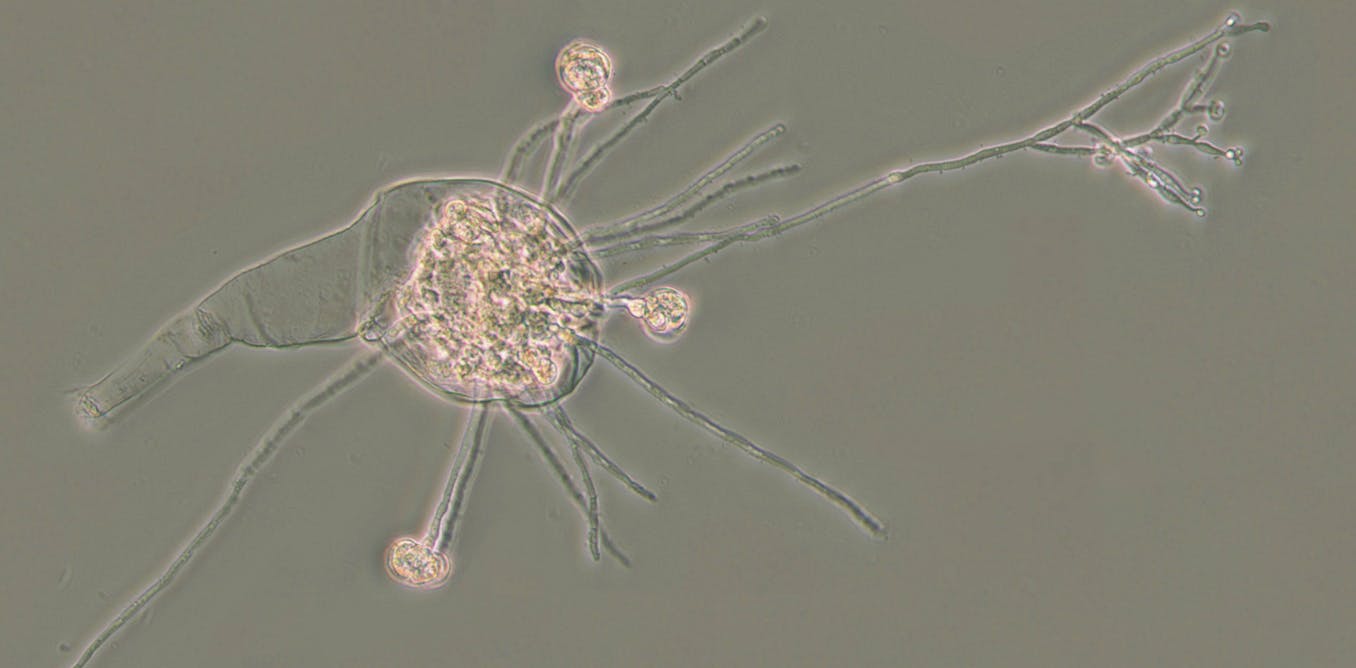
Tiny animals use stolen genes to fight infections – and could fight antibiotic resistance too

A little-known group of microscopic animals has spent millions of years copying recipes for antibiotics from bacteria and using them to fight infections, we have shown in a new paper. We think this unusual defensive strategy could offer short-cuts in the race to develop antimicrobial treatments. More than 1.2 million people worldwide are killed by […]

Continue Reading


The global food system is owned by an ever smaller number of companies – it’s damaging our health, our communities and the planet

Across the world, over 800 million people spend their days hungry. More than 2 billion have limited access to food. Yet today’s global food system produces enough to feed every person on the planet. This imbalanced situation can be explained in part by the effects of things like natural disasters, war, fragile supply chains and […]

Continue Reading

Israel leads cyber security boon despite Hamas war, Avi Hasson says

Israel has managed to maintain its reputation as a startup nation even as the war in Gaza drags on. According to a new report from Startup Nation Central, an organization devoted to using innovative Israeli technology to solve global problems, Israel’s tech sector, in particular, has had a solid first half of 2024. The Media […]

Continue Reading

Supershoes have transformed competitive distance running, but they remain controversial

On the face of it, competitive distance running appears not to have changed much since the Olympic Games were revived in 1896. However, even the relative simplicity of racing from gun to tape has radically altered in recent years due to the rise of advanced running footwear known colloquially as “supershoes”. A few years ago, […]

Continue Reading

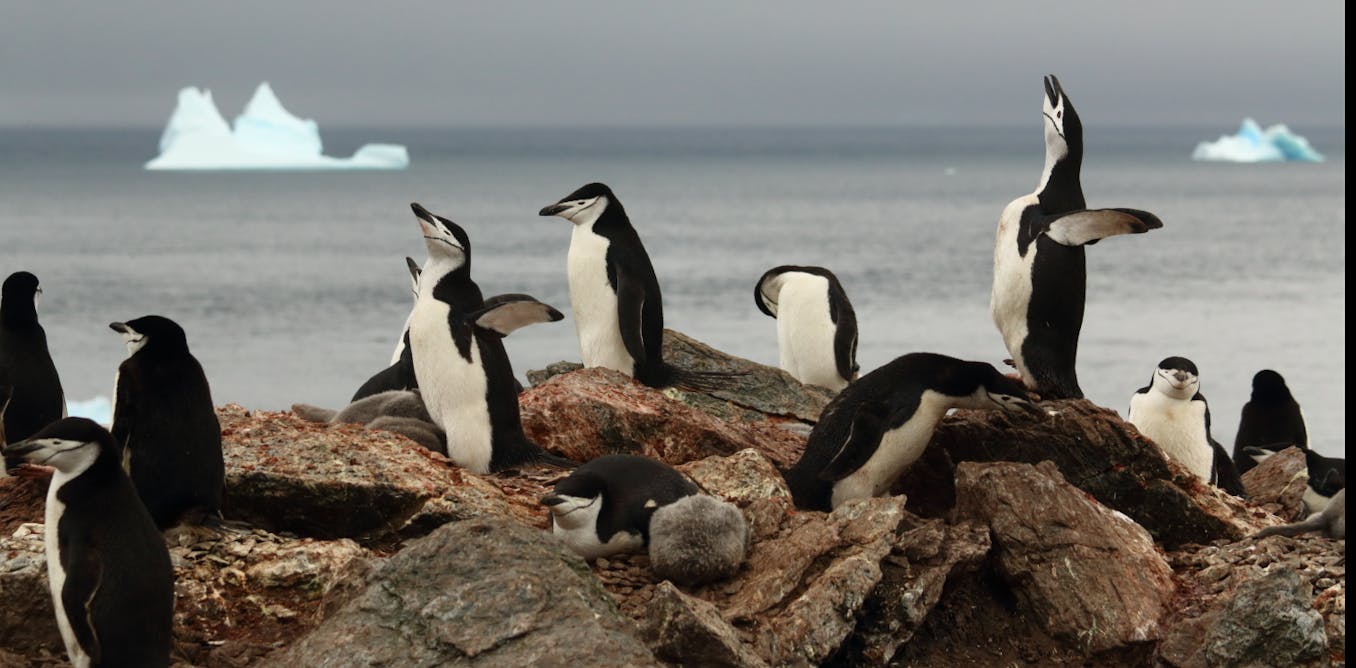
tech gives ocean scientists a bird’s-eye view of foraging in Antarctic waters

Chinstrap penguins are members of Antarctica’s brush-tailed group of penguins. They’re easily identified by the feature that gives them their name – a black strap that runs from ear to ear below the chin. The species is found mostly in the Western Antarctic Peninsula region, on far-flung isles such as the South Shetland Islands, the […]

Continue Reading

Astronauts are stuck on the International Space Station after yet more problems with Boeing’s beleaguered Starliner

For the past few weeks, Nasa astronauts Butch Wilmore and Suni Williams have been stuck on the International Space Station (ISS) after the first crewed voyage of Boeing’s new Starliner spacecraft hit a snag. Concerns raised by Boeing and Nasa over thruster problems and several helium leaks (helium is used in Starliner’s engine system) have […]

Continue Reading

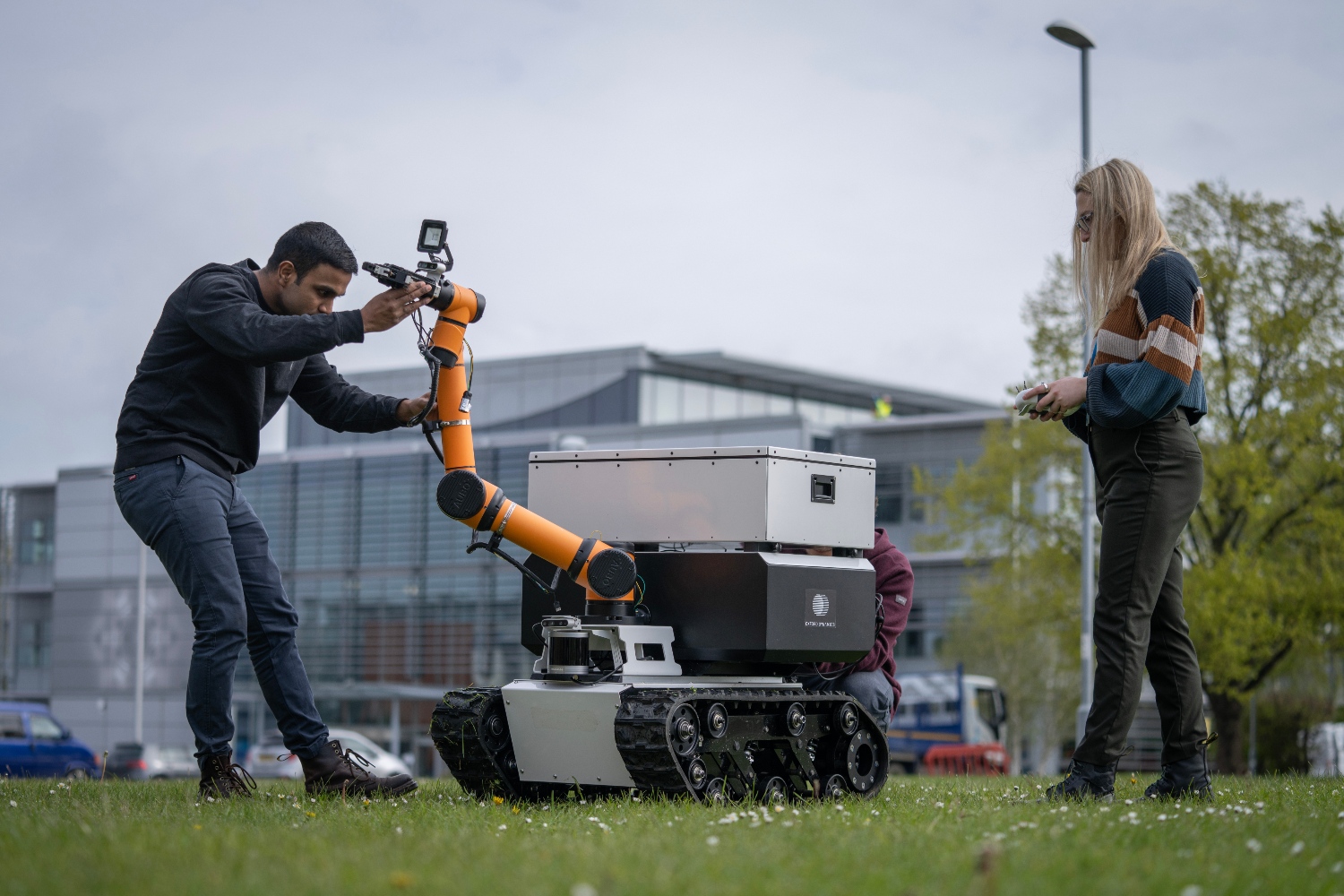
AI robot for chemical and biological incidents secures £1 million – UKRI

UK start-up Oxford Dynamics has won a £1 million contract with the Defence Science and Technology Laboratory to develop advanced robots for environmental remediation and recovery following chemical, biological, radiological and nuclear incidents. Located at the Science and Technology Facilities Council (STFC)’s Rutherford Appleton Laboratory, this pioneering start-up is developing an advanced mobile AI robot […]

Continue Reading

Google’s Wiz purchase is a confident vote in Israel

Google parent Alphabet is in advanced talks to acquire cybersecurity start-up Wiz for roughly $23 billion, a person familiar with the matter said on Sunday. This deal would undoubtedly bring Israel high tax income, said Racheli Guz-Lavi, a partner in the tax department of Amit, Pollak, Matalon and Co. The deal, funded mostly in […]

Continue Reading

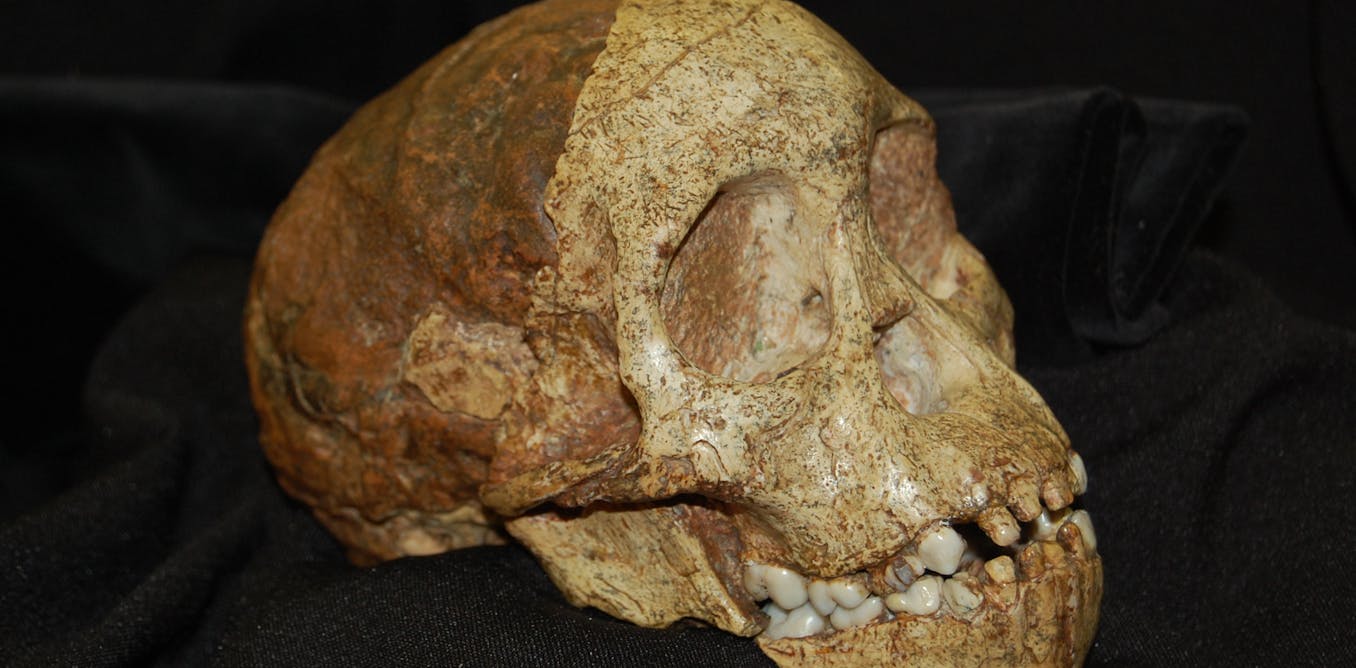
How old are South African fossils like the Taung Child? New study offers an answer

One hundred years ago the discovery of a skull in South Africa’s North West province altered our understanding of human evolution. The juvenile skull was dubbed the Taung Child by Raymond Dart, an anatomist at the University of the Witwatersrand, who first described it. In 1924 Dart could not say exactly how old it was, […]

Continue Reading

Did plague really decimate Neolithic farmers 5,200 years ago, as a new study suggests?

Around 5,200 years ago, plague was not just present but common in six generations of one Swedish family, according to a new study. The researchers analysed both the ancient DNA of these people’s skeletal remains and the pathogens that left traces in them. Three different strains of plague were present, of which the latest was […]

Continue Reading