FRANKFURT — The Lufthansa Group has announced its financial results for the third quarter, setting an all-time record for the highest quarterly revenue in corporate history. Buoyed by robust passenger yields, surging premium travel demand, and exceptional performances from cargo and maintenance divisions, group revenue climbed 9% year-on-year to reach €12.2 billion, up from €11.2 billion in the same period of the previous year.
Despite encountering substantial cost headwinds—including a sharp surge in jet fuel expenses—the German aviation giant also posted an adjusted operating profit (EBIT) of €1.4 billion, representing a 6% increase compared to the previous year.
Key Financial Drivers and Segment Performance
The record-breaking quarter was driven by strong operational execution across the group’s multi-brand ecosystem, effectively neutralizing inflationary pressures and geopolitical challenges.
Lufthansa Group Q3 Financial Highlights
+-------------------------------------------------------------------------+
| TOTAL QUARTERLY REVENUE: €12.2 Billion (Up 9% YoY - Company Record)     |
| ADJUSTED EBIT: €1.4 Billion (Up 6% YoY)                                 |
| ADJUSTED EBIT MARGIN: 11.5%                                             |
| NET INCOME: Approximately €1.3 Billion (Up 30% YoY)                     |
+-------------------------------------------------------------------------+
- Passenger Yields & Premiumization: Network airlines saw solid revenue growth, supported by an 11.2% surge in premium class yields and a 21% increase in ancillary revenues, driven in part by strong customer uptake of new offerings like the Allegris cabin rollout.
- Cargo Division Surge: Lufthansa Cargo more than tripled its adjusted EBIT to €162 million, propelled by a 26% revenue increase and strong global demand for specialized pharmaceutical and semiconductor freight.
- Maintenance Expansion: Lufthansa Technik reported a 20% revenue jump to €2.3 billion, with adjusted operating profit climbing 54% to €200 million.
- Point-to-Point Carriers: Eurowings delivered stellar results, expanding unit revenues and recording an adjusted EBIT of €214 million.
Managing Fuel Headwinds and Cost Discipline
The record top-line performance was achieved despite a steep 27% increase in group fuel expenditures, which added over €500 million in extra operating costs compared to the previous year.
To counter these pressures, management maintained strict non-fuel unit cost discipline across its network airlines—holding CASK (cost per available seat kilometer) growth to just 0.5%, well below broader European inflation figures.
“The third quarter shows that we were increasingly able to reflect the higher fuel costs in our fares,” noted Lufthansa Group CEO Carsten Spohr, highlighting resilient consumer demand for international travel.
Two-Sided Perspectives on European Aviation Performance
The strong quarterly earnings report has drawn varied analysis from market analysts, labor representatives, and industry observers.
Perspectives on Lufthansa Group's Record Quarter
+-------------------------------------------------------------------------+
| FINANCIAL MARKETS & AVIATION ANALYSTS                                   |
| * Praise the group's robust pricing power and successful diversification|
|   through cargo and maintenance units to offset soaring fuel bills.     |
| * Highlight disciplined capacity management as a key factor in          |
|   defending profit margins amid macroeconomic volatility.               |
+-------------------------------------------------------------------------+
| CONSUMER GROUPS & LABOR REPRESENTATIVES                                 |
| * Express concern that higher airfares driven by fuel recapture and     |
|   ancillary fee increases place a heavy burden on economy travelers.    |
| * Emphasize the ongoing need to resolve underlying operational delays   |
|   and labor agreements to ensure long-term stability.                   |
+-------------------------------------------------------------------------+
Market Analysts and Investors
Financial analysts commended Lufthansa’s ability to protect its bottom line and generate robust free cash flow despite external shocks. The strong performance prompted leadership to narrow its full-year adjusted EBIT outlook to a range of €1.7 billion to €2.0 billion.
Consumer and Industry Observers
Conversely, consumer advocates noted that rising ticket prices—while necessary for airlines to absorb fuel shocks—continue to test passenger price sensitivity, even as luxury and premium cabin demand remains exceptionally high.
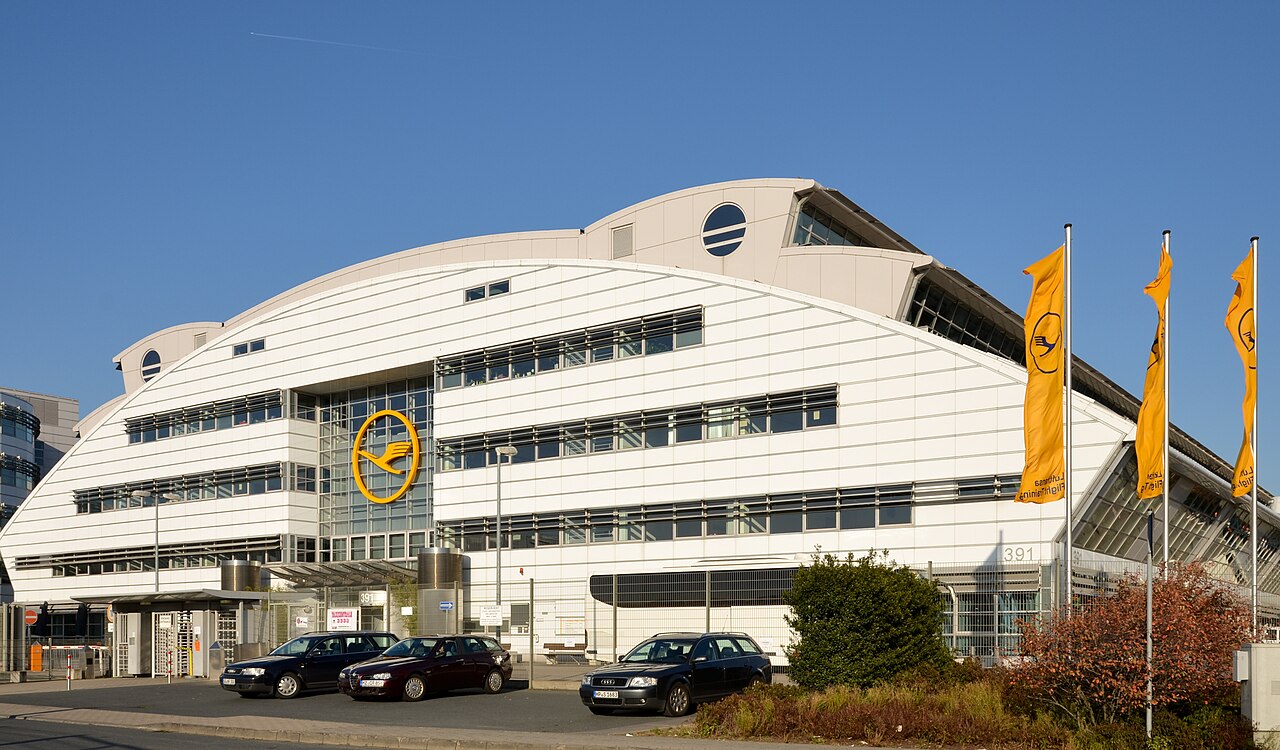
Lufthansa Flight Training Center, Frankfurt, Germany, Norbert Nagel, Mörfelden-Walldorf, Germany