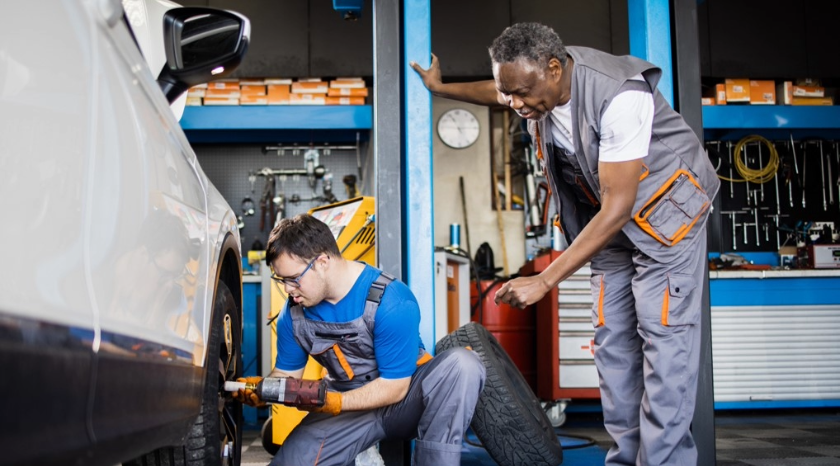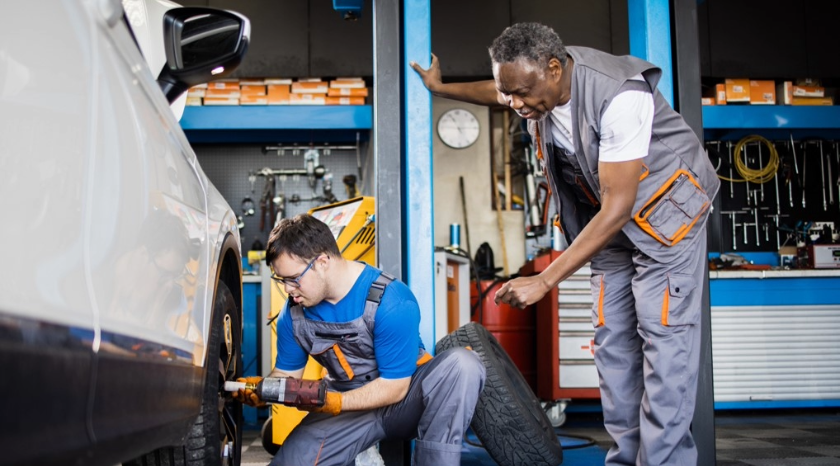
Apprenticeships offer a path to success for young workers of all abilities
The earliest stages of a young American’s career can often be the most formative. Our first experiences with paid work and job training help us build skills, courage, and the know-how to navigate the working world.
I, too, began my career with early, paid work experiences that helped me develop marketable skills and professional confidence. In high school, I worked in a job training program in local government before taking on internships here in Washington, D.C. at the Department of Health and Human Services and at the White House. These early opportunities set expectations high and opened the doors to a meaningful, fulfilling career. They’re also why today, as Assistant Secretary of Labor for Disability Employment Policy, I’m committed to ensuring every American job seeker and student, especially those with disabilities, can access early opportunities to gain skill, experience, and a strong entry into the world of work.
There’s no better time to be talking about this than during National Apprenticeship Week 2026. This year’s theme is “America at Work: Making America Skilled Again Through Registered Apprenticeship.” At the Department of Labor, we know that apprenticeships provide job seekers with exactly the kind of training and early work experience that lead to real jobs and lasting success. Apprenticeship is also a proven system for creating a skilled workforce and pipelines of reliable talent that boost productivity and advancement across industries. We know that apprenticeship sponsors are driving America’s economy and building the workforce of the future.
Our mission is to help career seekers explore work that aligns with their interests, competence, and goals. Apprenticeship can offer those pathways. When needed, the right accommodations can also make apprenticeship accessible to Americans with disabilities.
As our nation approaches its 250th birthday, the department is advancing the President’s ambitious goal: to enroll 1 million new apprentices nationwide in registered apprenticeship programs. That includes young people, veterans, and job seekers with disabilities.
How Registered Apprenticeship leads to success
Across the country, thousands of young people are already honing their skills through apprenticeship, fueling talent pipelines into both established and emerging industries such as artificial intelligence, advanced manufacturing, shipbuilding, construction, and other growing fields. Apprenticeship provides career seekers with real-world experience and valuable industry credentials, helping new workers launch strong careers, secure competitive employment, and build lasting financial security. Most importantly, these opportunities can be available right after high school graduation (including career and technical education programs), showing that a great career does not always require a four-year degree.
While learning or strengthening essential in-demand skills, apprentices can also earn trainee wages. These gainful wages help apprentices pay for housing, transportation, and other expenses allowing them to stay on track and complete their programs.
We can help get you started
Apprenticeship.gov offers a wealth of resources for career seekers, apprenticeship program sponsors, and apprentices. Explore how to become an apprentice and search for local apprenticeship programs using the Registered Apprenticeship Academy to grow your arsenal of skills.
The agency I lead, the Office of Disability Employment Policy (ODEP), prioritizes the accessibility of apprenticeship programs for all Americans, including Americans with disabilities. This month, we are launching the new Apprenticeship Accommodations Toolkit, which supports career seekers and apprentices with disabilities, their service providers, workforce system experts, and apprenticeship sponsors, including employers. The toolkit helps users adopt tailored apprenticeship supports, such as flexible schedules, job coaches, smartphone apps, and other accessible technologies, so that every apprentice has the opportunity to succeed.
If you’re just entering the world of work, you can also reach out to ODEP’s Job Accommodation Network (JAN) for free, confidential guidance on accommodations. JAN’s experts can help you figure out how to request the accommodations you need to help put you on the path to your future career. In addition, if you’re an employer, our Employer Assistance and Resource Network on Disability can support your efforts to recruit, hire, retain, and advance workers and apprentices with disabilities.
We invite you to join ODEP in celebrating National Apprenticeship Week 2026. Visit the National Apprenticeship Week webpage to access resources for local events that honor the achievements of apprentices, apprenticeship sponsors, and their partners who move America forward.
Together, by advancing accessible apprenticeship programs, we can build a stronger, more resilient and highly skilled American workforce that is prepared for the workplace of the future.
Julie Hocker is the assistant secretary of labor for disability employment policy. Follow the Office of Disability Employment Policy on LinkedIn.
McGinnis.Laura…