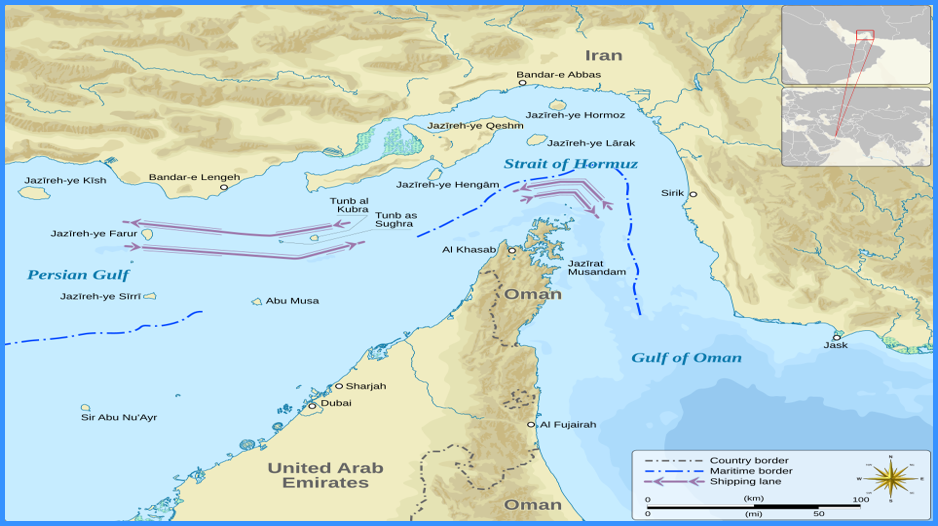
DUBAI — Floating shipping containers, oil slicks, and debris scatter across the Strait of Hormuz following sustained attacks on commercial vessels, providing a stark visual representation of a crisis that has escalated into one of the most severe maritime blockades in modern history.
With transit through the vital choke point virtually halted, the blockade’s direct financial toll on the global economy and key regional stakeholders has mounted into tens of billions of dollars, generating severe compounding consequences across energy, agriculture, and shipping sectors worldwide.
Direct Financial and Commercial Toll Across All Sides
The economic damage from the prolonged passage disruptions has hit shipping operators, regional governments, and global consumers alike:
- Global Maritime & Logistics Sector: Global container carriers and tanker operators face staggering cost surges. Rerouting vessels around the Cape of Good Hope adds 10 to 14 days per voyage, ballooning fuel overheads and charter expenses. War-risk insurance premiums for vessels attempting Persian Gulf transits have skyrocketed, forcing several top lines to pause regional operations entirely.
- Iran: Trade data indicates Iran has borne a heavy direct commercial price. Non-oil trade between Iran and its key trade partners dropped over 70% during peak months of the shutdown, severely constricting state revenues, accelerating domestic inflation, and triggering widespread labor unrest across industrial sectors.
- Persian Gulf Monarchies (GCC): Export revenues for Gulf Cooperation Council states have fallen as crude oil, liquefied natural gas (LNG), and petrochemical shipments stall. Sovereign bond yields across regional economies have widened as markets price in sustained geopolitical risk.
- Western Economies & Consumers: Energy price spikes driven by the closure have passed directly to retail consumers. In the United States alone, elevated gasoline and diesel prices tied to the Middle East conflict cost consumers an estimated $40 billion in direct fuel expenses.
Wider Implications for the Global Economy
Beyond immediate maritime security concerns, the ongoing blockade in the Strait of Hormuz is creating structural shockwaves across connected global systems:
1. Energy Market Volatility
Normally accounting for 20% of global seaborne crude and 20% of world LNG exports, the choke point’s near-total closure triggered the largest single energy supply shock in recent decades. Crude oil prices spiked well above $90 to $100 per barrel, driving up European natural gas benchmarks and doubling prices for kerosene, diesel, and aviation fuel.
2. Emerging Food Security Crisis
The Persian Gulf accounts for 30% of global exports of urea and nitrogenous fertilizers. The inability to ship agricultural inputs through Hormuz has caused fertilizer costs to surge worldwide. The United Nations Trade and Development (UNCTAD) body warned that developing nations face severe food security risks as higher fertilizer and transport costs trickle down into crop yields and staple food prices.
3. Aviation and Intermodal Freight Bottlenecks
Middle Eastern transit hubs—which normally handle roughly 15% of global air cargo and passenger traffic—have faced severe flight reroutings and airspace restrictions. Air cargo carriers circumnavigating regional airspace face longer flight times and double-digit fuel cost increases, creating secondary bottlenecks for high-value electronics and pharmaceutical supply chains.
Escalation and Regulatory Deadlock
Attempts to establish safe transit corridors have stalled amid conflicting demands over transit authorizations, mandatory toll fees, and sovereignty claims along the strait.
With UN Security Council resolutions calling for an immediate restoration of navigation rights, international naval forces continue advising commercial fleets to avoid the Persian Gulf entrance until active mines, unexploded ordnance, and drifting container hazards can be cleared.
Strait of Hormuz Wikimedia Picture by Goran_tek-en