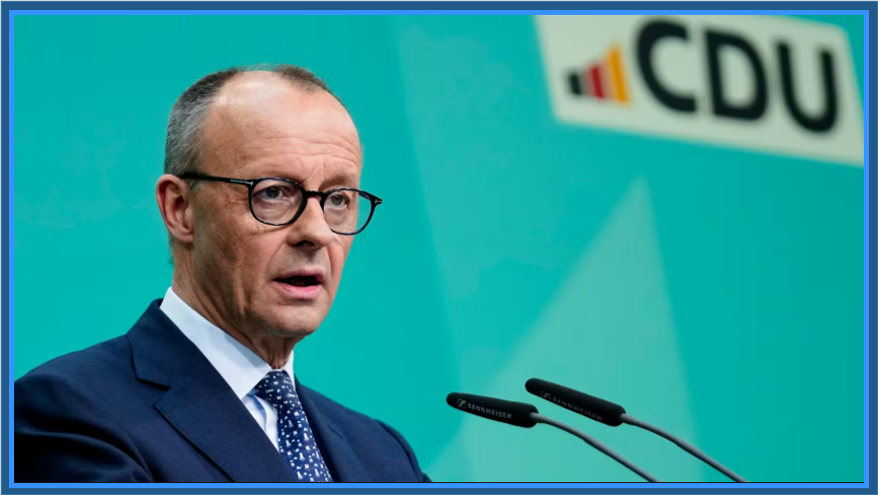
FRANKFURT — German Chancellor Friedrich Merz declared on Tuesday that he is willing to accept declining approval ratings in order to push through structural overhauls to Germany’s welfare and pension systems, arguing that long-overdue reforms are vital to securing the economic future of younger generations.
Speaking at an employers’ association conference, Merz addressed mounting public dissatisfaction and political headwind surrounding his government’s social policy agenda.
“I have no intention of becoming the nation’s darling. My intention is to set this country on the right course so that, above all, we can once again offer the younger generation decent prospects,” Merz stated.
Core Reform Objectives and Challenges
Chancellor Merz stressed that Germany is at least 30 years behind schedule in updating its pay-as-you-go retirement system to reflect demographic realities. Key aspects of the proposed social welfare and pension policy course include:
- Addressing Demographic Shifts: To stabilize the pension architecture amid an aging workforce, social security contribution rates paid by workers and employers will need to rise temporarily.
- Long-Term Fiscal Sustainability: The coalition aims to curb rising entitlement spending while preserving core safety nets, targeting long-term solvency rather than short-term voter appeal.
- Intergenerational Equity: Pushing back against early retirement options without deduction penalties to maintain labor supply and reduce fiscal pressures on younger tax contributors.
Political and Coalition Strain
Merz’s remarks come at a time of heightened volatility for Germany’s governing coalition:
- Public Backlash: Recent polling indicates widespread voter frustration over social insurance adjustments and cost distributions, with approval ratings for the chancellor hitting recent lows.
- Government Resignations: The political friction was underscored by the recent resignation of Labour Minister Bärbel Bas (SPD), adding to uncertainty within the CDU/CSU and SPD coalition following recent regional election setbacks.
- Opposition Pressure: Declining polling for the mainstream governing parties has coincided with rising voter support for opposition groups, intensifying the debate inside parliament over how fast or aggressively to proceed with social cuts.
Despite internal differences between coalition partners over structural details, Merz affirmed his determination to keep the reform measures on track.
German-Chancellor-Friedrich-Merz-Picture-by-heute.at