The Elders Call for Global Ban on Autonomous Weapons as AI Escalates Military Risks

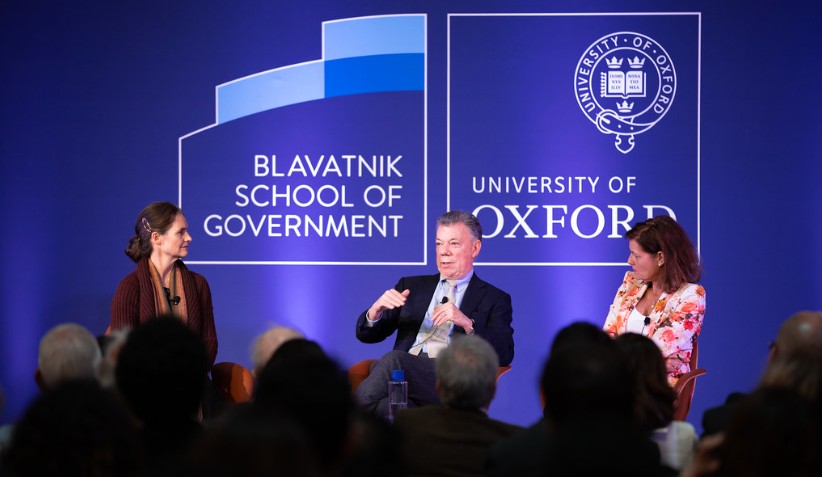
NEW YORK — As artificial intelligence rapidly integrates into military hardware, former world leaders and human rights advocates are issuing urgent warnings against leaving life-or-death battlefield decisions to machine algorithms. Speaking on behalf of The Elders during high-level sessions at the United Nations General Assembly, former President of Colombia and Nobel Peace Laureate Juan Manuel […]

Continue Reading
How did Mars get its moons? Japan’s MMX space mission aims to solve the puzzle

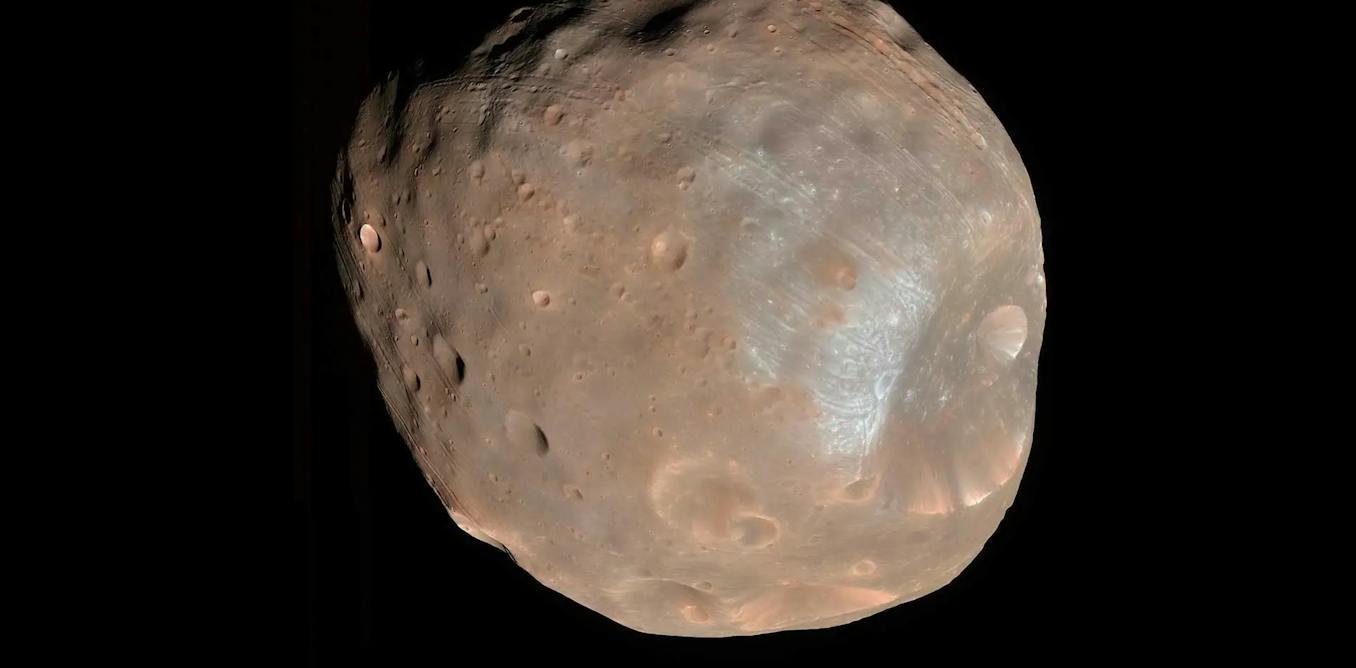
Phobos is dominated by Stickney crater, a 9km (5.6 mile) bowl visible on the right. NASA/JPL-Caltech/University of Arizona The Earth got its Moon when a celestial object collided with our planet more than four billion years ago. This impact hurled molten rock into space, which eventually coalesced to form the satellite we can see every […]

Continue Reading

Lion tracks from the ice age: how two ways of seeing brought ancient animals to life

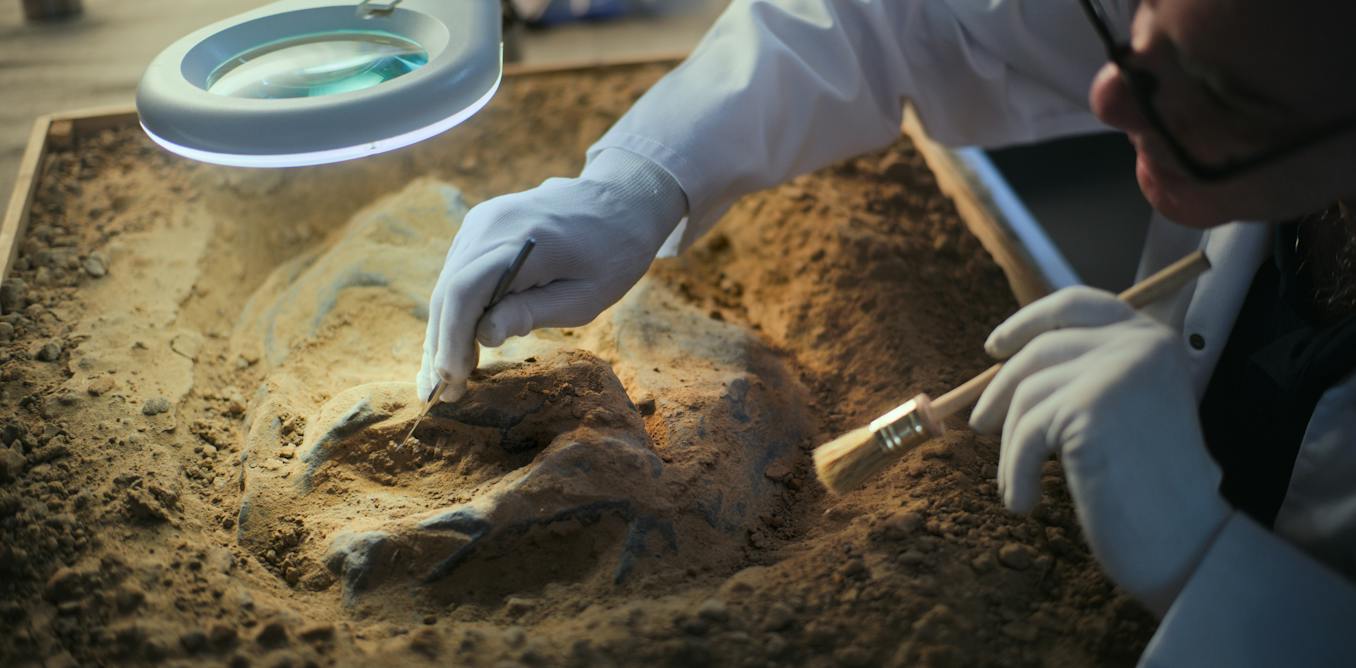
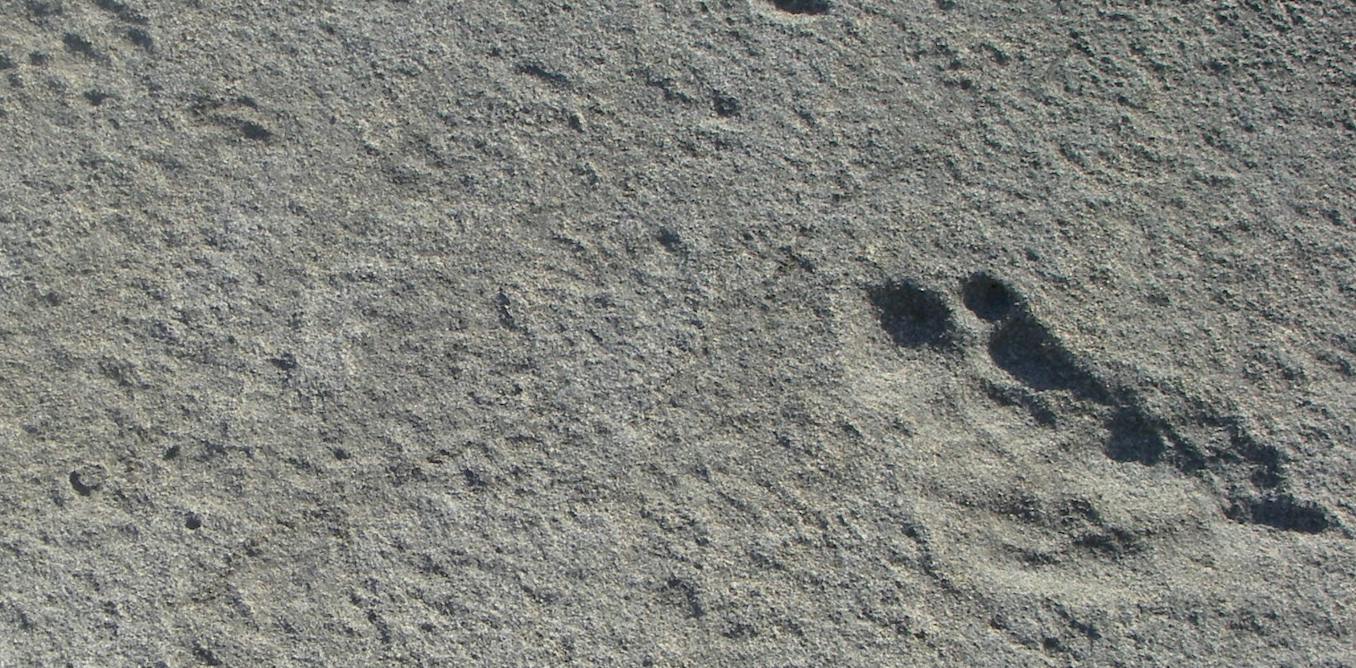
Fossilised lion trackway in the Goukamma Nature Reserve (30cm scalebar). CC BY The coastline near the southern tip of Africa looked vastly different between about 400,000 years ago and 70,000 years ago, compared with today. At times it lay as much as 100km south of its present location, exposing the vast Palaeo-Agulhas Plain, which contained […]

Continue Reading

Animal life may be far older than its most ancient fossils – here’s how we uncovered its hidden history

Frame Stock Footage/Shutterstock The question of when animals first evolved is one that has confounded scientists since the time of Charles Darwin. Studying rocks in north Wales in the mid-18th century, Darwin found the sudden first appearance of animal shells and skeletons in layers dating back over 500 million years perplexing. He had predicted a […]

Continue Reading

One third of food is lost or wasted: how to help farmers cut post-harvest losses

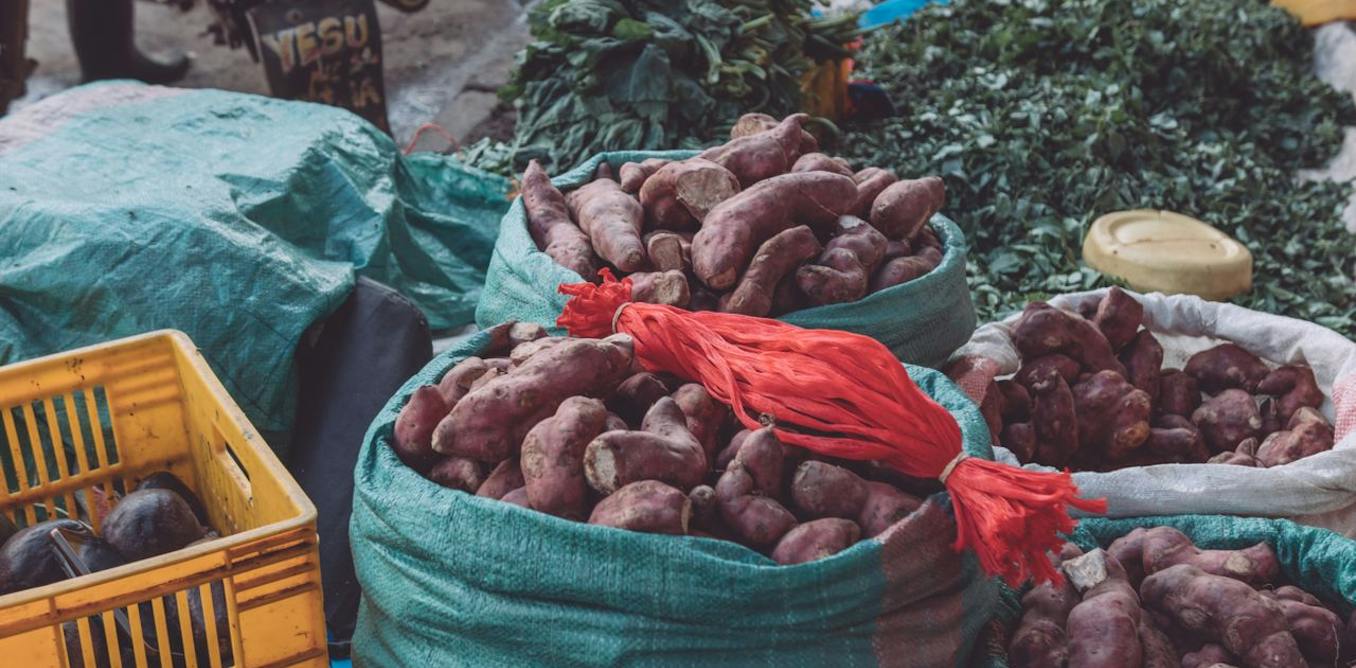
Agriculture in the global south remains under pressure to produce more food while responding to climate change and resource constraints. Policy responses have focused on increasing production. But what about post-harvest losses? Globally, about one-third of food produced for human consumption is estimated to be lost or wasted. The problem was examined in a recent […]

Continue Reading

What happens in your brain when you can’t stop laughing?

CREATISTA/Shutterstock Do you remember the last time you were laughing and simply could not stop? Perhaps it was a situation when you should not have been laughing at all. This happened to one of us while accompanying a friend to a family court in the middle of an unpleasant divorce case. It led to a […]

Continue Reading

An overlooked sci-fi movie shows how disruption by AI could be positive for society

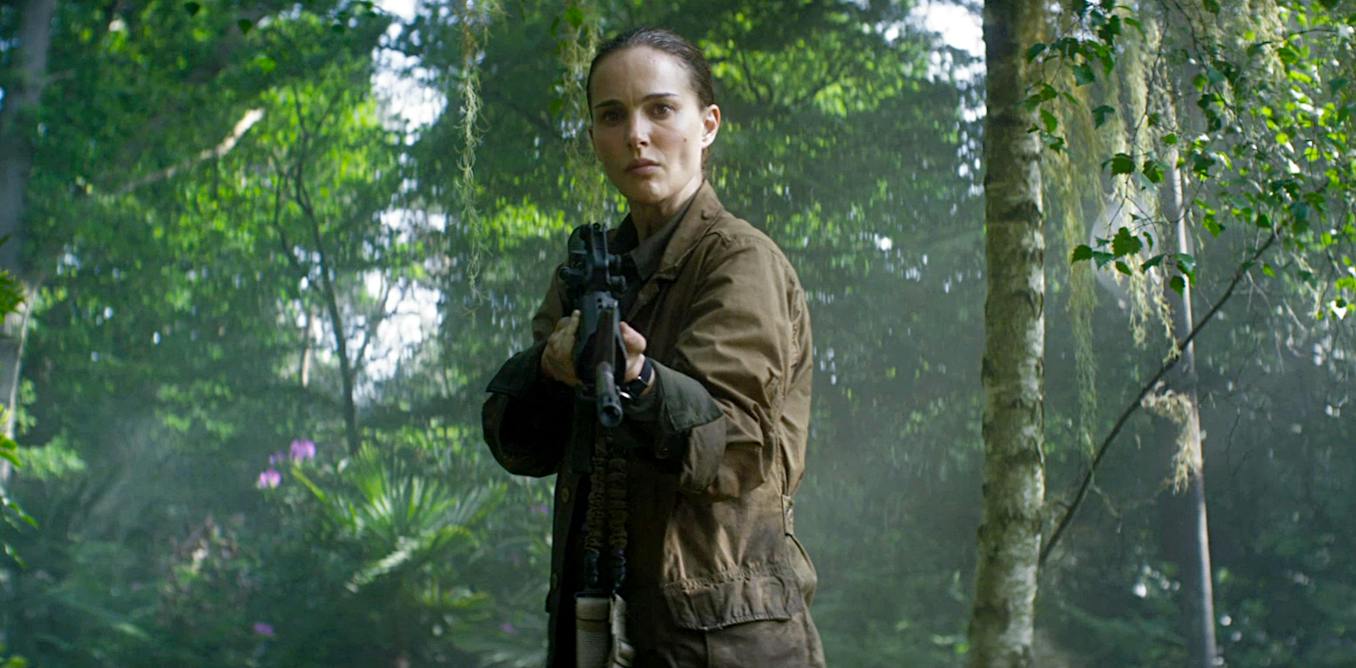
The AI doomsday news cycle plays on anxieties about the future. The media has tended to prioritise sensational takes on the risk at the expense of more thoughtful opinions by, for example, experts in the ethics of AI. Alarmist fantasies of superintelligence – where artificial intelligence surpasses that of the most gifted human minds – […]

Continue Reading

Snakebites are a far bigger problem than we knew: new study maps the hidden dangers

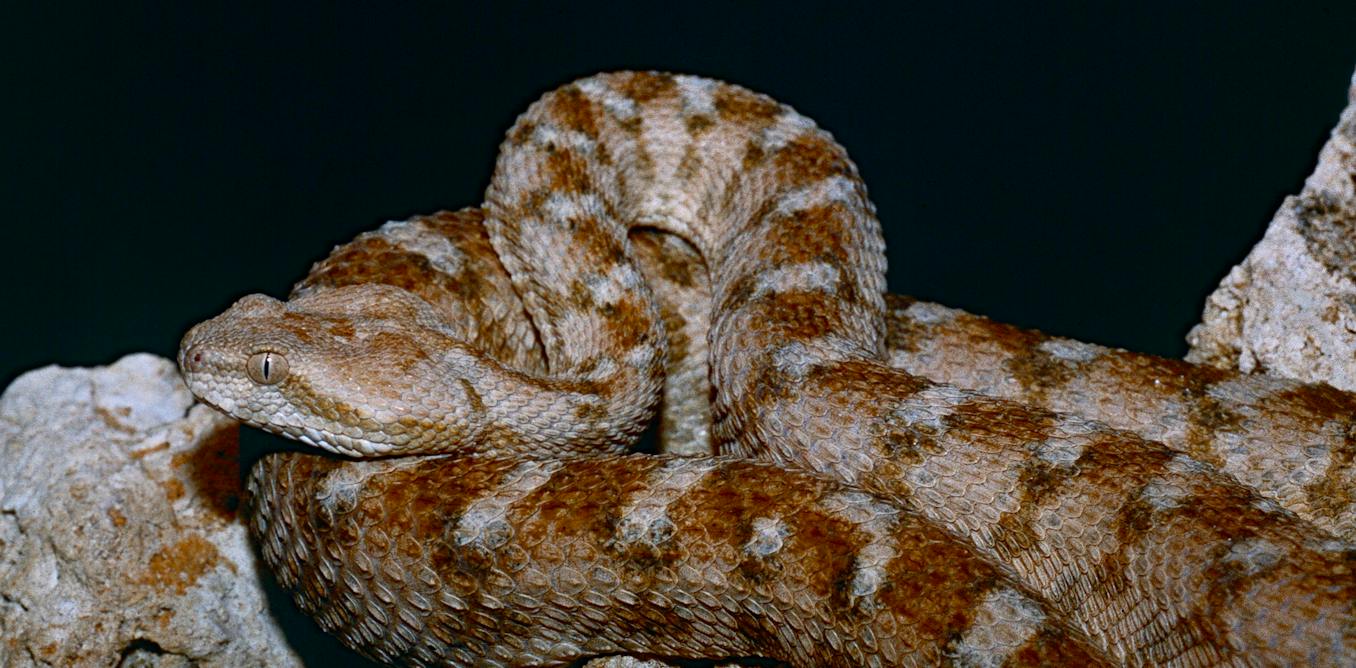
Not every snakebite injects venom. When venom enters the body, however, it can cause snake envenoming. This is a potentially fatal condition and it mostly affects poor rural communities across tropical and subtropical regions who don’t have easy access to medical care. As researchers with decades of combined experience in snakebite and tropical disease epidemiology, […]

Continue Reading

Will AI be good or bad for the climate? Here’s what the latest evidence on energy use suggests

Is AI a climate change villain, whose insatiable hunger for electricity will roast the planet? Or will it help predict where the next climate disaster will strike and what to do about it? In order to weigh these questions up, a good starting point is with AI’s energy consumption. The 2015 Paris agreement was a […]

Continue Reading

African genomics research is growing: what countries are doing to connect genetic data and healthcare

Much of what scientists know about how genetic differences affect health comes from studying populations outside Africa. This matters because genetic information is increasingly being used to understand disease, interpret genetic tests and, in some cases, guide treatment. Africa has the greatest human genetic diversity in the world, yet African populations remain poorly represented in […]

Continue Reading