HAVANA — Cuba is experiencing a worsening humanitarian and economic crisis as bare pharmacy shelves, severe bread shortages, and prolonged daily blackouts cripple daily life across the island nation.
The deteriorating conditions follow decades of centralized single-party rule, domestic economic mismanagement, and a long-standing U.S. trade embargo. The crisis has intensified significantly in 2026 under expanded U.S. economic measures targeting the island’s energy sector and global trade access.
Crisis Metrics and Operational Breakdown
Decades of systemic economic stress, combined with recent supply chain disruptions, have left essential services across Cuba near operational collapse.
Overview of Key Economic and Supply Indicators (2026)
+-------------------------------------------------------------------------+
| ENERGY GRID STATUS: Daily rolling blackouts affecting major urban       |
|                     centers and rural provinces.                        |
| MEDICAL SUPPLIES: Critical shortages of basic pharmaceuticals, surgical|
|                   supplies, and hospital power backup.                  |
| BASIC FOOD RATIONS: Severe supply deficits leading to extended lines     |
|                     for subsidized bread and staple food items.         |
| TRADE RESTRICTIONS: U.S. Executive Order frameworks targeting foreign   |
|                     petroleum shipments and international shipping.     |
+-------------------------------------------------------------------------+
Prolonged blackouts have left major cities in darkness for extended periods, disrupting cold storage for food, municipal water distribution, and emergency healthcare. Local bakeries and retail centers report chronic shortages of basic ingredients, forcing citizens to wait in lines stretching around city blocks for basic provisions.
Root Causes: Internal Policy Debates and U.S. Sanctions Framework
The humanitarian fallout stems from a complex mix of internal governance practices and external geopolitical pressures.
Factors Driving the Cuban Humanitarian Crisis
+-------------------------------------------------------------------------+
| INTERNAL GOVERNANCE & POLICY                                           |
| * Six decades of centralized state economic planning.                  |
| * Restrictions on civil liberties, political opposition, and free press.|
| * U.S. claims of elite wealth hoarding and state fund misallocation.    |
+-------------------------------------------------------------------------+
| EXTERNAL SANCTIONS & FUEL BLOCKADE                                      |
| * Multi-decade U.S. trade embargo limiting foreign investment.          |
| * 2026 U.S. Executive Orders threatening secondary tariffs on nations  |
|   supplying crude oil or petroleum to Cuba.                             |
| * Disruption of key regional fuel imports and foreign currency access.  |
+-------------------------------------------------------------------------+
Washington authorities maintain that the strict economic sanctions imposed in early 2026 are specifically structured to target the corrupt financial mechanisms of the communist regime, curb foreign military alliances, and cut off state revenue streams.
In contrast, officials in Havana attribute the systemic shortages directly to the U.S. blockade, characterizing the enforcement against oil tankers and foreign trade partners as economic strangulation aimed at enforcing regime change.
Two-Sided Perspectives on Foreign Policy and Humanitarian Impact
The sharp decline in living conditions has ignited global debates regarding the efficacy and ethics of broad economic sanctions.
Perspectives on Economic Sanctions and Regional Stability
+-------------------------------------------------------------------------+
| U.S. ADMINISTRATION & POLICY ADVOCATES                                  |
| * Assert that maximum pressure forces authoritarian accountability and   |
|   dismantles state-controlled monopolies.                               |
| * Emphasize that sanctions include carve-outs for direct humanitarian   |
|   aid provided to independent Cuban citizens.                           |
+-------------------------------------------------------------------------+
| HUMAN RIGHTS MONITORS & INTERNATIONAL ORGANIZATIONS                     |
| * Highlight that broad fuel blockades and financial penalties disproportionately|
|   harm civilian populations and disrupt essential public services.      |
| * Urge international action to establish targeted relief mechanisms to   |
|   alleviate widespread civilian suffering.                              |
+-------------------------------------------------------------------------+
U.S. Policy and Regime Accountability Stance
Proponents of maximum-pressure sanctions argue that restricting capital flows to Havana is necessary to address domestic human rights abuses, political imprisonments, and regional security concerns. U.S. officials maintain that humanitarian exceptions exist for direct aid and accuse the Cuban leadership of hoarding resources rather than assisting the population.
International Relief Concerns and Civilian Impact
Conversely, international monitors, non-governmental organizations, and human rights experts emphasize that broad coercive measures primarily penalize ordinary citizens. Critics point out that cutting off fuel, medical imports, and shipping access degrades civilian infrastructure, turning everyday necessities into out-of-reach luxuries for millions of Cuban families.
Urgent Call for Humanitarian Policy Adjustment
While the underlying security and political rationale for diplomatic pressure remains a subject of international debate, the real-world execution of broad economic blockades is imposing immense hardship on ordinary men, women, and children who have no role in government decision-making.
The international community, humanitarian organizations, and the U.S. foreign service are called upon to immediately review current enforcement mechanisms, establish safe and effective channels for civilian relief, and craft targeted policy alternatives that alleviate the acute suffering of the Cuban population while addressing broader regional stability.
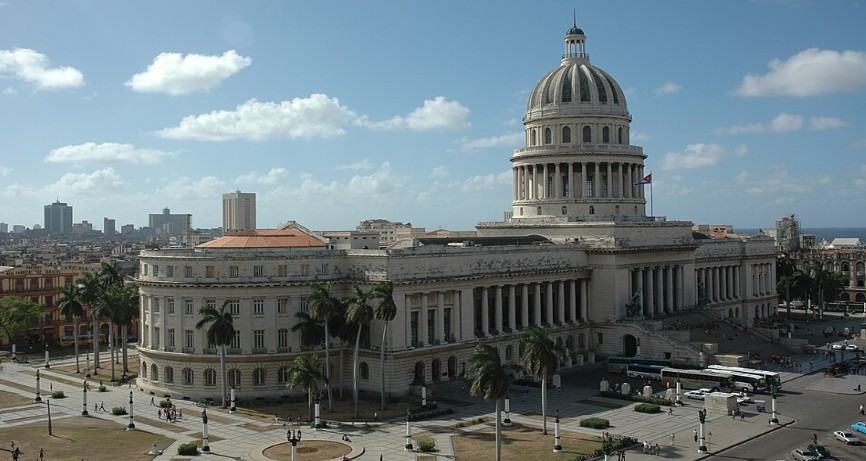
UNESCO World Heritage Site, Old Havana and its Fortification System Picture by Unesco on Wiki