People living near a coal plant in Dimitrovgrad, Bulgaria breathe air so toxic they describe themselves as prisoners in their own homes. In Louisiana, communities along the petrochemical corridor known as Cancer Alley face some of the highest cancer rates in the United States. In Uganda and Tanzania, activists opposing the East African Crude Oil Pipeline have faced arrest and criminal prosecution for speaking out against fossil fuel expansion. These are not abstract statistics, but the real-life human rights problems tied to fossil fuel production.
Yet as more than 50 governments meet this week for the First International Conference on Transitioning Away from Fossil Fuels in Santa Marta, Colombia, these rights issues are absent from the agenda.
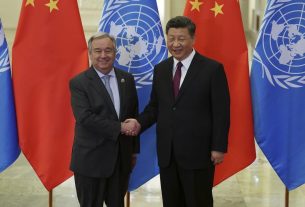
The conference, co-hosted by Colombia and the Netherlands, comes at a critical moment. United Nations Secretary-General Antonio Guterres has warned our addiction to fossil fuels is destabilizing both the climate and global security, making a just transition urgent. The recent COP30 climate conference also ended without a decision on fossil fuels, despite calls from over 80 countries for a phaseout roadmap.
This week’s meeting should accelerate progress on the transition. What it should not do, however, is treat human rights as an afterthought.
Fossil fuel combustion is a major driver of air pollution, which the World Health Organization identifies as the biggest threat to human health globally, killing an estimated seven million people each year. Sidelining rights risks failing communities already harmed by fossil fuel extraction and its devastating impacts.
The International Court of Justice has made clear that states have legal obligations to protect the climate system. Santa Marta should translate those obligations into action. Failing to phase out fossil fuels implicates the rights to life, health, food, water, and housing of people all over the world.
Governments in Santa Marta need to ensure the transition away from fossil fuels is grounded in human rights law and include frontline communities’ input to help shape phaseout plans. For the conference to be successful, frontline communities should finally see their rights, and their health, protected.