While corresponding with a local journalist in Afghanistan around a recent report I had authored, I received a shocking request: “Can we please have a video clip on your new report—not from you, but from a man from Human Rights Watch?”
I reread the message in anger. Although I was the report’s author as Human Rights Watch’s Afghanistan researcher, the outlet wanted a male colleague to speak in my place. Sadly, the reason behind the request is something many Afghan women around the world experience on a daily basis.
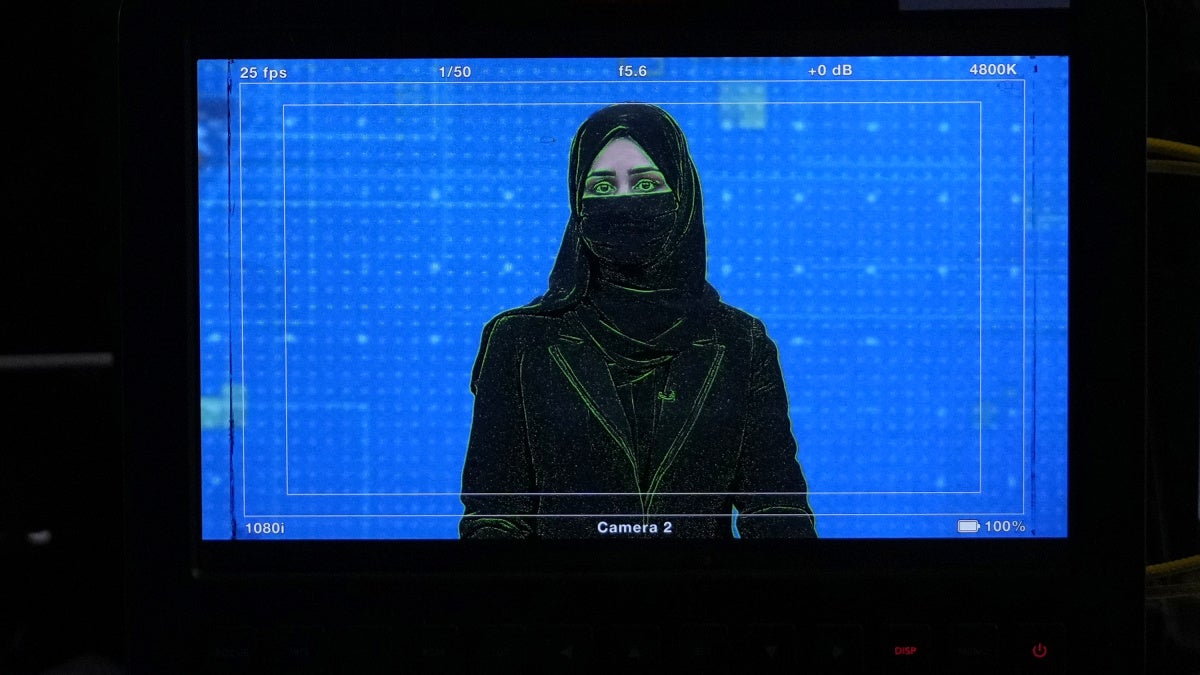
I eventually learned the media outlet had been instructed by the Taliban’s Ministry for the Propagation of Virtue and the Prevention of Vice (PVPV) that any Afghan woman, no matter where she lives, must appear in a full hijab with her face covered when speaking on air.
Rather than being treated as an expert on the country, I had been, like all women in Afghanistan, reduced to that identity alone and therefore could only speak in the media under conditions set by the Taliban. The implication was clear: being a woman from Afghanistan was enough to justify silencing me, even outside the country.
Nearly five years after the Taliban’s takeover of Afghanistan, little if any meaningful freedom of expression survives inside the country, particularly for women. Afghan women are barred from education beyond sixth grade and face severe restrictions in employment and erasure from public life. In some provinces, female journalists cannot work and women’s voices are banned from radio and TV.
This incident is also an example of how far the Taliban’s reach extends. Their system of repression does not stop at Afghanistan’s borders as they attempt to control and silence Afghan women abroad through demands that media outlets enforce their abusive rules on those who speak out and challenge Taliban abuses.
As an Afghan woman and Human Rights Watch researcher, I will not comply with the Taliban’s restrictive rules. But its repressive instructions to media outlets have serious implications for Afghan women’s right to freedom of expression, both inside and outside the country. Afghan women should not have to submit to discriminatory rules to exercise a right to speak publicly. Wherever we are, our voices matter.