DURBAN, South Africa — The South African Police Service (SAPS) has opened a murder investigation after a foreign national was killed during an anti-immigrant demonstration in central Durban on Thursday morning.
The attack involved a mob of approximately 50 individuals who beat the victim—a man estimated to be in his late 30s or early 40s—to death on the roadside along Dr. Pixley kaSeme Street. Video footage of the brutal killing has circulated widely online, drawing severe condemnation across social media and reigniting intense scrutiny over xenophobic violence in South Africa.
Veracity and Context of Official Police Findings
While online reports and social media commentary widely identified the victim as a Nigerian national who was hacked and beaten during the assault, law enforcement and government officials maintain a cautious stance while investigations continue:
- Nationality Verification: KwaZulu-Natal police spokesperson Colonel Robert Netshiunda stated that detectives are utilizing all available investigative aids to establish the victim’s official nationality and identity, adding that police will not speculate until formal verification is complete.
- Method of Assault: According to official SAPS statements, two men initially broke away from a marching group to approach the victim before a larger mob of roughly 50 people joined in the fatal physical assault.
- Current Suspect Status: No arrests have been made, but police confirmed they are following several leads to track down those responsible for the attack.
Incident Profile: Durban Central Attack
+-------------------------------------------------------------------------+
| Location: Dr. Pixley kaSeme Street, Durban, KwaZulu-Natal               |
| Victim Status: Male (30s–40s), Pronounced Dead at Scene                 |
| Suspects: Mob of Approx. 50 Demonstrators                               |
| Official Police Charge: Active Murder Investigation (SAPS)              |
| Verification Status: Victim Identity & Nationality Under Formal Review  |
+-------------------------------------------------------------------------+
Pattern of Anti-Immigrant Unrest and Structural Grievances
The killing marks the latest escalation in months of anti-immigrant unrest across South African urban centers. Just two weeks prior, military forces were deployed to central Durban following two days of rioting, torching of vehicles, and the looting of foreign-owned businesses.
Civil society representatives and human rights monitors emphasize that curbing recurring violence requires systemic judicial action rather than administrative warnings:
Key Policy and Judicial Imperatives
+-------------------------------------------------------------------------+
| SYSTEMIC PROSECUTION                                                    |
| * Immediate identification, arrest, and prosecution of mob perpetrators. |
| * Accountability for past incidents of looting, arson, and assault.     |
+-------------------------------------------------------------------------+
| COMMUNITY EDUCATION                                                     |
| * National civic campaigns debunking scapegoating of foreign nationals.  |
| * Targeted programs addressing systemic economic insecurity.           |
+-------------------------------------------------------------------------+
| DIPLOMATIC & LEGAL ALIGNMENT                                            |
| * Addressing international human rights obligations at home to maintain  |
|   consistency with South Africa's global legal actions abroad.          |
+-------------------------------------------------------------------------+
Calls for Accountability and Institutional Action
Rights organizations have repeatedly cautioned that when states engage in high-profile international legal actions or accuse external nations of human rights violations while failing to protect vulnerable migrant populations at home, it exposes severe domestic and diplomatic vulnerabilities.
Human rights advocates continue to press the South African government to enforce strict legal consequences for vigilante attacks, safeguard essential commercial corridors, and execute public education programs to root out long-term xenophobic sentiment across local communities.
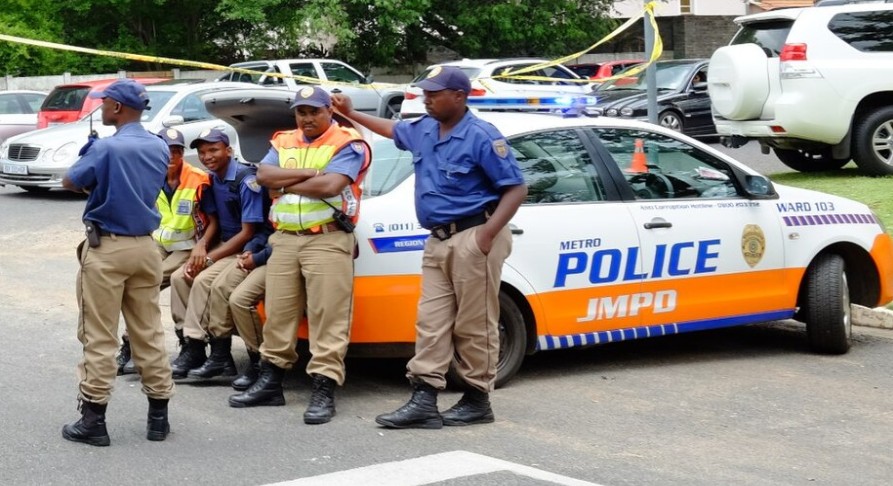
South African Police JMPD officers in Houghton Estate Picture from Wikimedia by Robert Dennison