LONDON / WASHINGTON — In the wake of MI5 Director General Sir Ken McCallum’s annual threat update warning that the United Kingdom faces a “new era” in national security, counterterrorism experts are urging Western intelligence agencies to expand their focus toward soft power, social cohesion, and the systemic societal vulnerabilities that hostile actors exploit.
In his address at MI5’s Thames House headquarters, McCallum outlined an evolving security landscape marked by state-backed sabotage, hybrid warfare, cyberattacks, and the rapid proliferation of artificial intelligence. Calling for a whole-of-society response, McCallum emphasized that modern threats directly target everyday civic life and democratic cohesion rather than just government facilities.
However, foreign policy and security analysts contend that hard security defenses alone are insufficient without directly addressing domestic polarization, systemic distrust, and social inequality.
Experts Urge Focus on Soft Power and Societal Cohesion
In a post-speech analysis published by the Council on Foreign Relations, counterterrorism expert Farah Pandith, a senior fellow at the council, and research associate Ezra Hess argued that the national security dialogue must incorporate soft power and internal community resilience alongside traditional counterintelligence operations.
Pandith and Hess noted that while McCallum correctly identified the human dimension of modern intelligence threats, official strategies must go further in addressing the societal friction that adversaries leverage.
“The speech could still have gone further in underscoring the importance of soft power and connecting the dots between what is happening in society—polarization, distrust, bigotry, racism—and the country’s vulnerabilities to terrorists or state actors,” Pandith and Hess wrote.
The analysts emphasized that breakdown in societal cohesion creates fertile ground for extremist ideology and foreign influence operations. When domestic populations experience heightened bigotry or institutional distrust, state actors such as Russia and Iran find it significantly easier to run low-cost, high-impact disinformation campaigns designed to pit communities against one another.
Evolving National Security Framework
+-------------------------------------------------------------------------+
| TRADITIONAL HARD SECURITY                                               |
| * Counterintelligence & Law Enforcement Operations                      |
| * Critical Physical Infrastructure Protection                           |
| * Cyber Defense & Technical Countermeasures                             |
+-------------------------------------------------------------------------+
| EXPANDED SOFT POWER & RESILIENCE (Expert Recommendations)               |
| * Countering Domestic Polarization & Societal Bigotry                   |
| * Strengthening Community Trust & Civic Institutions                   |
| * Public Disinformation Literacy & Whole-of-Society Engagement          |
+-------------------------------------------------------------------------+
MI5 Warns of Sabotage, AI, and Hybrid Threat Vectors
McCallum’s annual address detailed how foreign state intelligence services—particularly from Russia, Iran, and China—are increasingly outsourcing violent and disruptive activities to criminal proxies to evade direct attribution.
Key operational threats highlighted during the address included:
- State-Backed Hybrid Tactics: Russian intelligence agencies have increasingly utilized criminal networks and paid proxies to execute arson attacks, sabotage energy infrastructure, and orchestrate physical surveillance across European nations.
- Emerging AI Vulnerabilities: Bad actors are leveraging artificial intelligence to generate highly targeted propaganda, lower barriers to entry for extremist groups, and execute automated cyber intrusions. To counter these risks, McCallum announced the launch of a new AI Threat Assessment Centre (AITAC) housed within MI5.
- Proxy Violence: Iranian state actors continue to finance and direct violent plots, coercion, and intimidation against dissidents and media figures based within the United Kingdom.
Bridging the Gap Between Security and Civic Resilience
Security analysts stress that protecting democratic societies requires a balanced strategy. While intelligence agencies like MI5 expand technical capabilities and corporate partnerships, governments must simultaneously invest in civic programs, combat online radicalization, and reduce social inequalities.
Expert consensus highlights that enduring national security relies as much on a resilient, well-integrated population as it does on law enforcement interception. Until policymakers treat social cohesion as a primary component of defense strategy, democratic nations will remain vulnerable to subversion from within and abroad.
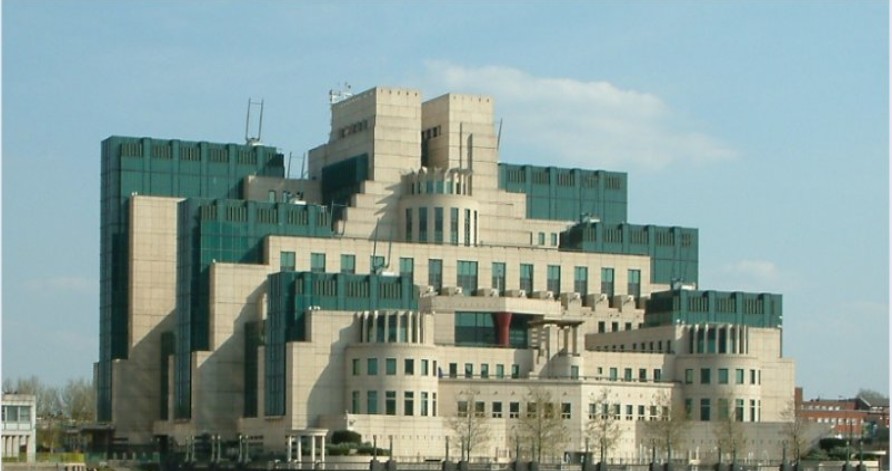
UK M15 Secret Intelligence Service building – Vauxhall Cross Picture on Wikimedia by Tagishsimon