– Advertisement –
The Scottish island of Eigg was long owned by a handful of wealthy private individuals. Most recently, the majority of the island belonged to a German artist. However, the residents wanted to decide for themselves on the future of their home and bought their island in 1997 for 1.5 million pounds. Since then, they have been managing most of the island collectively and investing in new jobs and green energy.
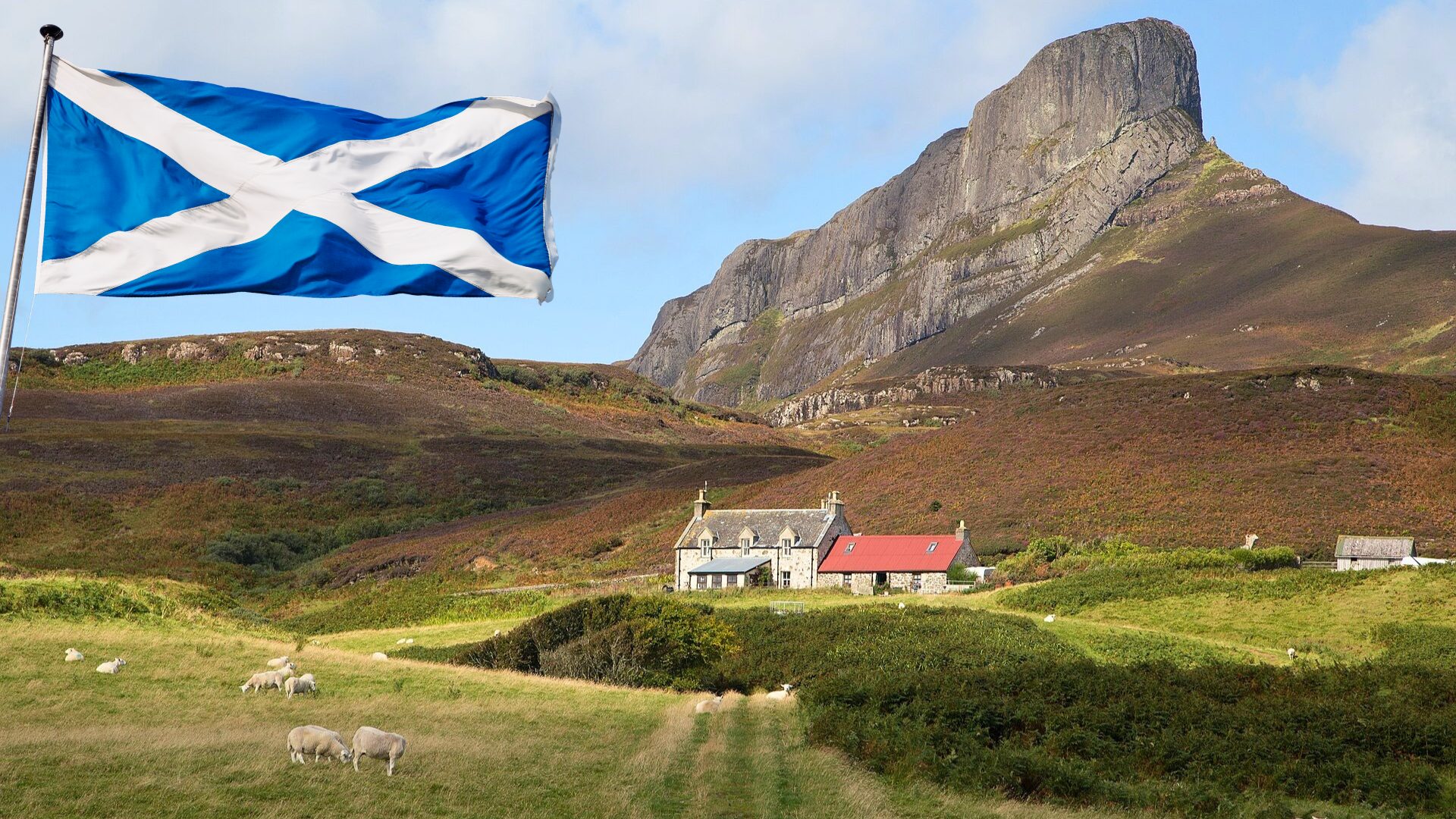
The Scottish island of Eigg covers an area of around 30 square kilometres, making it roughly the same size as the Vienna district of Favoriten. Whilst more than 223,000 people live in Favoriten, Eigg has a population of just 115.
The island has changed significantly over the past few decades: as recently as around 30 years ago, Eigg belonged to a single private owner, the German artist Marlin Eckhard Maruma. The residents had little say in how their island developed. There was unemployment and an exodus of young islanders. In 1997, the residents bought their home. Today, the population is growing, there are new jobs and almost 100 per cent of the electricity comes from renewable sources.
The island’s history: it was most recently owned by a German artist
The idea of an entire island belonging to a single person has a long history in Scotland. For centuries, powerful noble families controlled vast tracts of land. This included entire islands with villages, farms and all their inhabitants.
Eigg was under the control of the Scottish MacDonald of Clanranald clan for more than 400 years. In 1827, the indebted family was forced to sell the island. Well into the 20th century, Eigg changed hands time and again. The people living on the island usually did not own the land themselves. Many were tenants. They therefore farmed land that belonged to someone else. In the 19th century, some families even lost their homes. In 1853 alone, 14 families were forced to leave their homes on Eigg because the landowner had the land cleared to make way for a larger sheep farm.
In 1975, the British businessman Keith Schellenberg bought the island. He found himself increasingly at odds with the residents. Many complained about poor living conditions, a lack of investment and uncertainty as to whether they would be able to remain on the island in the long term.
In 1995, Schellenberg sold Eigg to the German artist Marlin Eckhard Maruma. Among other things, he promised new holiday homes, a better ferry service and investment in infrastructure. But none of this materialised.
A year later, the island was up for sale again. For the residents, one thing was clear: they no longer wanted to be at the mercy of whichever wealthy private individual would next decide their future.
The islanders buy their own island
As early as the beginning of the 1990s, some of the island’s residents had begun raising money for a collective purchase. When Eigg came onto the market again in 1996, they launched a major fundraising campaign.
People from across the UK supported the initiative. One anonymous donor contributed 750,000 pounds on her own. In the end, the required £1.5 million was raised.
On 12 June 1997, the moment had arrived: the Isle of Eigg Heritage Trust – a charity – purchased the island.
The Heritage Trust manages the island in the interests of its residents. The islanders provide four of the seven board members and thus hold the majority. The board also includes representatives from the regional administration and a Scottish nature conservation organisation, as well as an independent chairperson. They meet regularly to raise their concerns and put forward suggestions and are thus able to have a say on important issues: where should new houses be built? What infrastructure does the island need? And how should Eigg develop economically?
Wind, water and sun: Eigg runs on almost 100 per cent renewable electricity
A great deal has changed on the Scottish island of Eigg since it was bought collectively. This is particularly evident in the electricity supply.
Previously, there was no public electricity grid on the island. Residents often had to generate their own electricity using diesel generators. These were noisy, expensive and usually only ran for a few hours a day.
In 2008, Eigg finally brought its own electricity grid into operation. Since then, hydroelectric power stations, wind turbines and solar panels have been supplying the entire island with electricity round the clock. Batteries store surplus energy for times when there is little wind or the sun is not shining.
Today, according to the Scottish Government, 90 to 95 per cent of the electricity comes from renewable energy sources.
Eigg has also changed economically. The community has renovated residential buildings, improved internet access and set up a communal centre with a grocery shop, a post office and a café. New businesses have sprung up, including a small brewery.
The rights to the content remain with the original publisher.
Post Views: 31
– Advertisement –