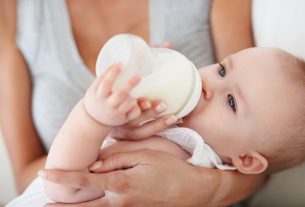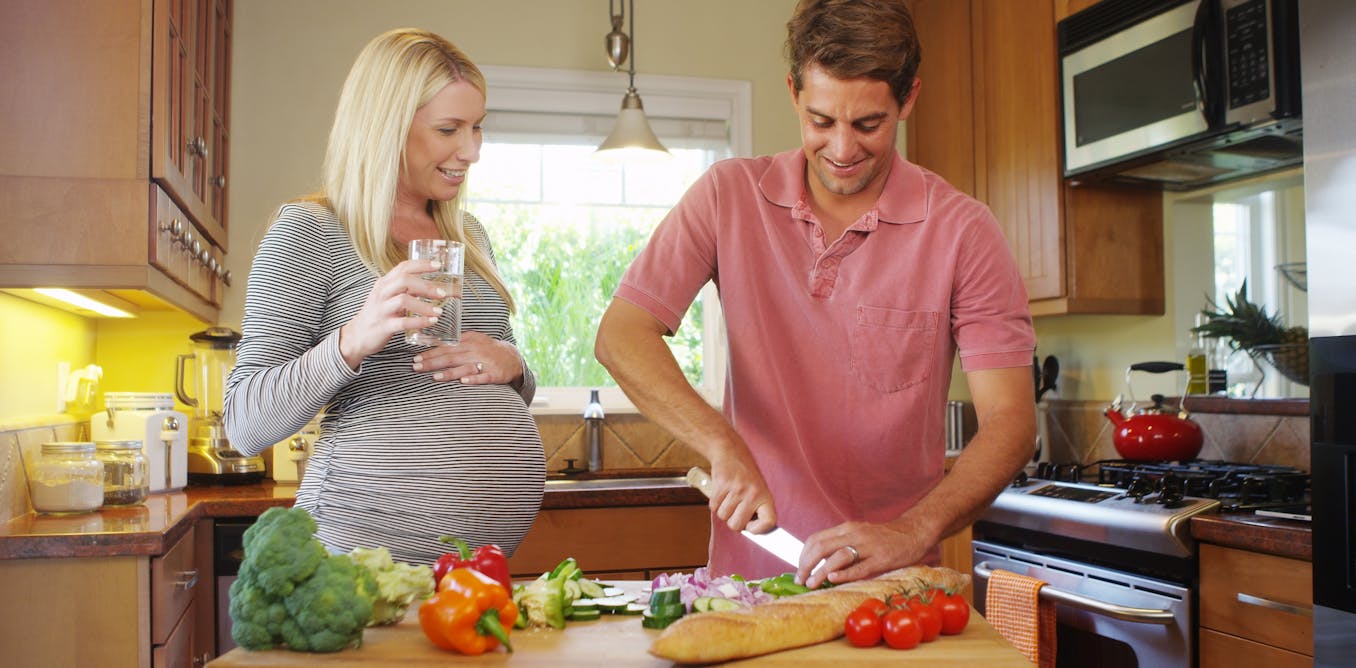
Pregnancy is often regarded as a time to prepare the nursery, but it is also a useful moment to get the kitchen ready.
For many expectant parents, the months before a baby arrives are filled with practical jobs: buying clothes, assembling a cot, choosing a pram, packing a hospital bag. Yet one of the most important forms of preparation happens somewhere less photogenic: in the cupboards, the fridge and the daily routines of the home.
Research Peles and colleagues conducted suggests that pregnancy can be a powerful moment for change. During pregnancy, food becomes about more than personal preference. It is bound up with the health of the developing baby, the wellbeing of the mother, and the kind of family life parents hope to create.
The idea of nutritional nesting is useful here. It describes how first-time parents begin shaping the home food environment during pregnancy. It means the food world a baby will eventually be born into: what is bought, what is visible, what is easy to reach, what gets cooked, what is eaten together, and what becomes normal.
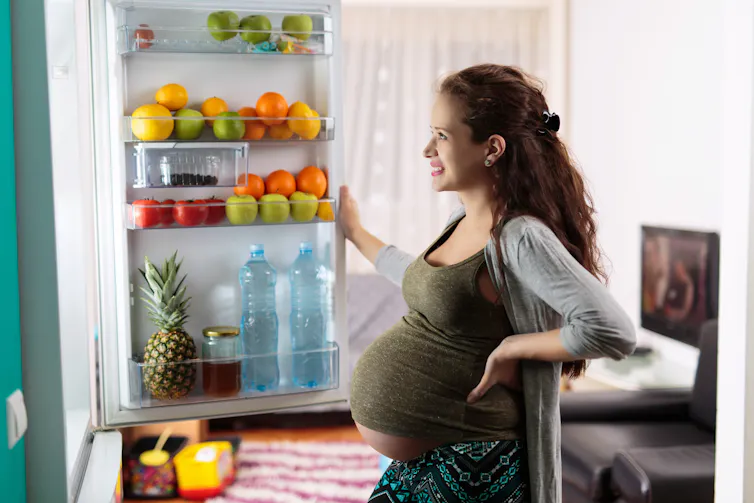
Healthy habits begin before a baby first tastes puree or sits in a high chair. They begin in the rhythms and environment parents establish before birth. Vegetables in the fridge may technically be available, but they are unlikely to be chosen by exhausted parents looking for something quick. Fruit on the counter, chopped vegetables ready to use, batch-cooked meals in the freezer and simple ingredients within reach make healthier eating easier when energy is low.
The distinction between availability and accessibility matters. Availability means the food is present in the home. Accessibility means it is easy to see, easy to reach and easy to eat. Research on the home food environment suggests that what is available at home, what parents eat themselves, and family eating routines all play a role in the overall healthiness and variety of children’s diets. Shloim describes this as healthy mealtime interactions, accounting for what and how the family eats.
Kitchens are shaped by more than mothers alone. Pregnancy can be an especially useful time to think about food because many parents, including fathers and partners, are already imagining the family they want to become. Peles’ work with first-time expectant fathers suggests that men often see pregnancy as a turning point: a chance to take more responsibility, support their partner, and help create a healthier home. Good intentions, though, do not chop vegetables, plan meals or fill a freezer. Fathers and partners may need practical support to turn motivation into everyday action.
Nutrition support during pregnancy should involve the household, not only the pregnant mother. The home food environment is usually shaped by more than one person. Partners influence shopping, cooking, budgeting, snacking and the emotional tone around food. Treating food preparation as a shared parental responsibility, rather than another task added to the mother’s mental load, makes it more realistic and fair.
The point is to make nutrition advice more useful, rather than more judgmental. Lists of foods to eat or avoid have their place, but they rarely solve the daily problem of what tired people can afford, cook and face eating. Families also need help with the basics: planning meals, preparing quick options, shopping on a budget and making nutritious food convenient before the sleep deprivation of early parenthood begins.
For many parents, the second trimester may be a useful period for this kind of preparation. For some women, though not all, the nausea and exhaustion of early pregnancy may have eased, while the physical demands of late pregnancy have not yet fully arrived. That can make it a more realistic time to ask: what will make daily eating easier when life gets harder?
The answer does not have to be complicated. Parents might reorganise the fridge so healthier foods are visible, learn a few reliable recipes that can be cooked quickly, prepare snacks that do not depend on willpower at 3pm, or decide together how meals will work when the baby arrives. These small changes are not glamorous, but they reduce the number of decisions tired parents have to make.
nelic/Shutterstock
Early family food culture is about nutrients, but it is also about relationships. Children learn from what is served and from how meals feel.
Shloim suggests that a calm, responsive feeding relationship means paying attention to a child’s hunger and fullness cues, offering food without pressure, and making mealtimes feel safe rather than stressful. Evidence suggests that these early interactions can support children’s ability to regulate their own eating. They also support overall positive interactions.
Early-life conditions, including the period before birth, can influence health later in life. A child’s future is not fixed before birth, but early environments matter, and supporting families before and during pregnancy can be a practical way to improve long-term health.
Expectant parents do not need a perfect diet or a perfect kitchen. Nutritional nesting is about making ordinary healthy choices more visible, more convenient and more shared. Its value is practical: reducing friction before the exhausting early months begin.
The nursery matters. But the kitchen may be where some of the most important family interactions begins.

The authors do not work for, consult, own shares in or receive funding from any company or organisation that would benefit from this article, and have disclosed no relevant affiliations beyond their academic appointment.