SANTA CLARA, Calif. — More than 1,600 Nvidia employees have rallied behind co-founder Jensen Huang on internal company forums, urging the board of directors to reinstate him as chief executive following his abrupt resignation on Thursday, November 12, 2026.
According to WIRED, an internal “suggestion box” post submitted by a longtime engineer calling on the board to factor employee views into its leadership decisions has drawn over 1,600 comments—the vast majority expressing support for bringing Huang back. While Chief Financial Officer Colette Kress has assumed the role of interim CEO and former Synopsys CEO Harvey C. Jones has been named board chair to lead a permanent succession search, staffers have questioned why Huang stepped down before the board’s independent inquiry was completed.
Employee Pushback and Financial Impact
Nvidia Leadership Crisis & Market Valuation Snapshot (November 13, 2026)
+--------------------------------------------------------------------------+
| EMPLOYEE RESPONSE: 1,600+ internal comments backing Huang's reinstatement|
| INTERIM LEADERSHIP: CFO Colette Kress (Interim CEO); Harvey Jones (Chair)|
| SCANDAL-WINDOW LOSS: ~$500B–$600B wiped out since affair revelations     |
| PEAK-TO-TROUGH DROP: ~$1.6T–$1.8T erased since October 6 record close    |
+--------------------------------------------------------------------------+
- Internal Calls for Reinstatement: Across internal forums and public posts on LinkedIn, employees argued that Nvidia’s technological dominance is inseparable from its co-founder, with comments urging leadership to give Huang a second chance and share the findings of the board’s investigation transparently with staff.
- Diverging Market Loss Estimates: Financial analysts have pointed to two distinct timelines when measuring Nvidia’s market sell-off:
- Immediate Scandal Fallout: Nvidia has shed roughly $500 billion to $600 billion in market capitalization since the revelation of Huang’s extramarital relationships, a decline compounded by broader tech sector volatility and regulatory scrutiny.
- Broader Peak-to-Trough Contraction: Measured from its record closing high on October 6, Nvidia has lost between $1.6 trillion and $1.8 trillion (€1.6 trillion) in market value over a six-week losing streak, dropping below Apple in total market capitalization.
- Privacy and Unsubstantiated Allegations: While Huang publicly apologized to his family, colleagues, and shareholders for his infidelity, his wife, Lori Huang, has issued no public statements regarding the matter. Furthermore, Nvidia’s board stated that its preliminary review has found nothing indicating that company trade secrets or U.S. national security were compromised, and Chinese Foreign Ministry officials have dismissed espionage allegations as unsubstantiated.
The Corporate Governance Debate: Personal Lives vs. Market Stability
The upheaval at Nvidia has sparked an intense debate across business and legal circles regarding the boundary between executives’ personal lives, corporate governance, and fiduciary responsibility to shareholders and workers.
| Perspective | Core Arguments on Executive Conduct and Governance |
| Case for Operational Autonomy & Privacy | Critics of the ouster argue that conflating consensual personal relationships with corporate governance creates disproportionate collateral damage—erasing hundreds of billions in shareholder value and destabilizing tens of thousands of employees’ livelihoods over unsubstantiated national security claims. Proponents of this view contend that personal family matters should be resolved privately unless concrete legal or security violations are proven, and that employees should have a voice in retaining proven leadership. |
| Case for Strict Fiduciary & Compliance Oversight | Corporate governance specialists and institutional investors counter that public companies—particularly those central to global supply chains and U.S. export controls—must enforce strict conflict-of-interest standards. When relationships involve direct subordinates or executives tied to foreign entities under regulatory review, boards face acute legal, shareholder-litigation, and compliance pressures to act decisively regardless of an executive’s past performance. |
As interim CEO Colette Kress works to reassure customers, supply-chain partners, and Wall Street analysts, Nvidia’s board faces mounting pressure from both its own workforce and global markets to clarify the timeline of its internal review and chart a stable path forward.
Key Takeaways
Separating Private Family Matters from Corporate Governance
At its core, the upheaval at Nvidia underscores the need to draw a clear boundary between an executive’s private life and the stability of a global enterprise. While Jensen Huang publicly acknowledged his infidelity and apologized to his family, colleagues, and shareholders, his wife, Lori Huang, has maintained complete public silence—a stance that reinforces the principle that marital indiscretions are deeply personal matters meant to be resolved privately within a family rather than adjudicated by financial markets. Unless ongoing independent board or federal investigations substantiate concrete security breaches, espionage, or regulatory violations, conflating consensual personal affairs with corporate leadership inflicts disproportionate collateral damage on global shareholders and tens of thousands of employees—whose overwhelming internal support signals a clear desire to let their workforce and company chart their own path forward.
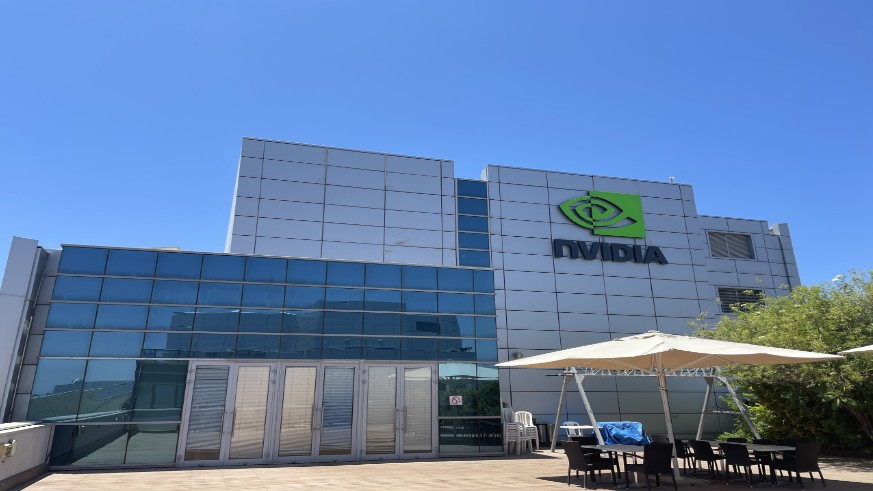
Nvidia Israel Hq Picture on Wiki by Amir Shtanger