PARIS — Transport networks, public schools, and government services across France brace for widespread disruption today, Thursday, November 5, 2026, as trade unions launch a coordinated interprofessional day of nationwide strikes and demonstrations.
The mobilizations—organized by a united front of major French labor federations, including the CGT and CFDT—represent a direct follow-up to weeks of rolling protests and student walkouts. The coordinated action aims to compel the government to heed public demands for immediate intervention to support households struggling with soaring living costs and proposed budget cuts.
Imminent Mobilization and Projected Operational Disruptions
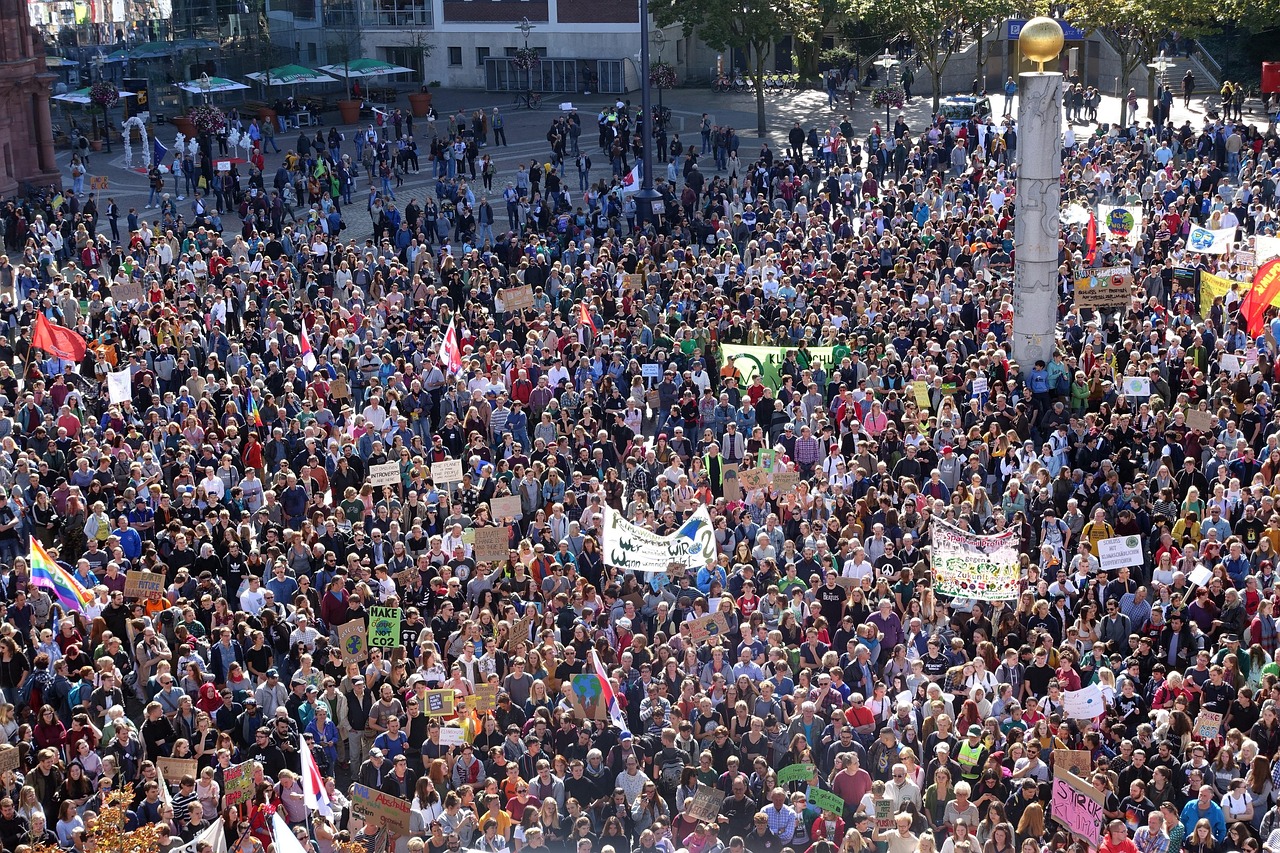
Today’s nationwide day of action constitutes the most significant labor mobilization since protests and sectoral walkouts began in mid-October. Security forces are deploying across major urban centers as authorities prepare for large-scale marches scheduled for later today in Paris, Marseille, Lyon, and Toulouse.
French National Day of Action: Key Operational Metrics
+-------------------------------------------------------------------------+
| PRIMARY DEMANDS: Compel government to heed wage hikes, index civil      |
|                  service pay, and fund household energy subsidies.      |
| PARTICIPATING SECTOR UNIONS: CGT, CFDT, FO, FSU, and Solidaires        |
| SCHEDULED TRANSPORT DISRUPTIONS: High-Speed TGV and regional TER train  |
|                                  services slated for severe reductions. |
| PUBLIC SERVICES IMPACT: Anticipated partial school closures, hospital   |
|                         staffing contingencies, and municipal halts.    |
| SECURITY DEPLOYMENT: Tens of thousands of police and gendarmes          |
|                      stationed nationwide to maintain public order.      |
+-------------------------------------------------------------------------+
In Paris, police prefectures have implemented heightened security protocols along planned demonstration routes between the Place de la République and Place de la Nation, with several metro stations scheduled for precautionary closures as crowds gather.
Core Union Demands and Fiscal Disagreements
Trade union leaders maintain that current government proposals fail to mitigate double-digit energy price hikes, rising rent costs, and persistent food inflation, prompting today’s escalation.
Summary of Inter-Union Policy Platform
+-------------------------------------------------------------------------+
| 1. WAGE ADJUSTMENTS                                                     |
|    Demand immediate cross-sector pay increases and automatic civil      |
|    service salary revaluation aligned with inflation indices.            |
|                                                                         |
| 2. PROTECTION OF PUBLIC SERVICES                                        |
|    Urge the government to reverse proposed €54 billion budget cuts      |
|    targeting healthcare, education, and local municipal infrastructure. |
|                                                                         |
| 3. TAXATION & REVENUE REFORMS                                           |
|    Press for targeted taxes on corporate dividends, high inheritances,  |
|    and energy windfalls to fund robust social safety nets.               |
+-------------------------------------------------------------------------+
Union leadership emphasizes that the government’s pending budget framework—which envisions substantial spending cuts to curb public debt—disproportionately penalizes lower- and middle-income households while freezing essential civil service pay points. Today’s strikes are intended to force a policy reversal before the budget is finalized in parliament.
Two-Sided Perspectives on Labor Mobilization and Fiscal Strategy
The nationwide strikes highlight deep political and economic divisions regarding state spending, inflation management, and structural fiscal discipline.
Perspectives on Nationwide Industrial Action and Budget Policy
+-------------------------------------------------------------------------+
| TRADE UNIONS & SOCIAL ADVOCATES                                         |
| * Maintain that state intervention is essential to prevent millions     |
|   of families from falling into poverty amid persistent inflation.      |
| * Insist that today's mobilization will demonstrate broad public        |
|   rejection of government austerity measures.                           |
+-------------------------------------------------------------------------+
| GOVERNMENT & FISCAL POLICYMAKERS                                        |
| * Argue that unconstrained wage indexation risks worsening inflationary |
|   pressures and weakening national industrial competitiveness.          |
| * Stress that fiscal consolidation is legally required to meet          |
|   European Union deficit reduction mandates and stabilize sovereign debt.|
+-------------------------------------------------------------------------+
Trade Union Coalition Emphasizes Household Survival
Union organizers stress that weeks of unheeded appeals have left working families unable to absorb basic utility and housing costs. Today’s coordinated strikes are designed to demonstrate the depth of social dissatisfaction across all employment sectors and compel the administration to negotiate.
Government Leadership Cites Fiscal Reality
Conversely, government officials and economic advisers emphasize that wide-scale spending expansion would jeopardize long-term financial stability. Administration spokespersons maintain that targeted relief measures—including previously announced educational funding and localized subsidies—balance social support with necessary deficit control.
Economic Outlook
As trade union federations convene following today’s afternoon rallies, labor leaders will review turnout figures to determine whether to heed rank-and-file calls for extended rolling strikes across national transport and energy sectors in the coming days.