Nasa has named the crew of its next Artemis mission, which it promised would be an “extraordinary demonstration of what is possible”. Artemis is the ambitious American-led effort to the return humans to the lunar surface by 2028.
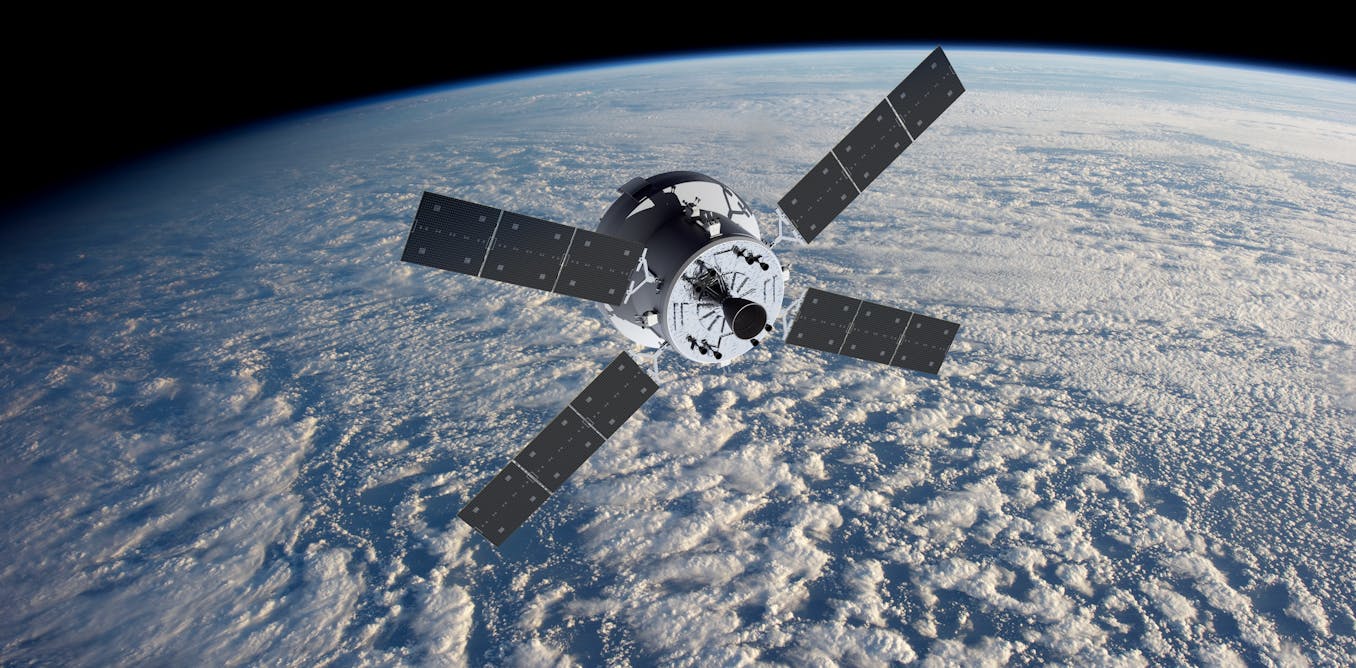
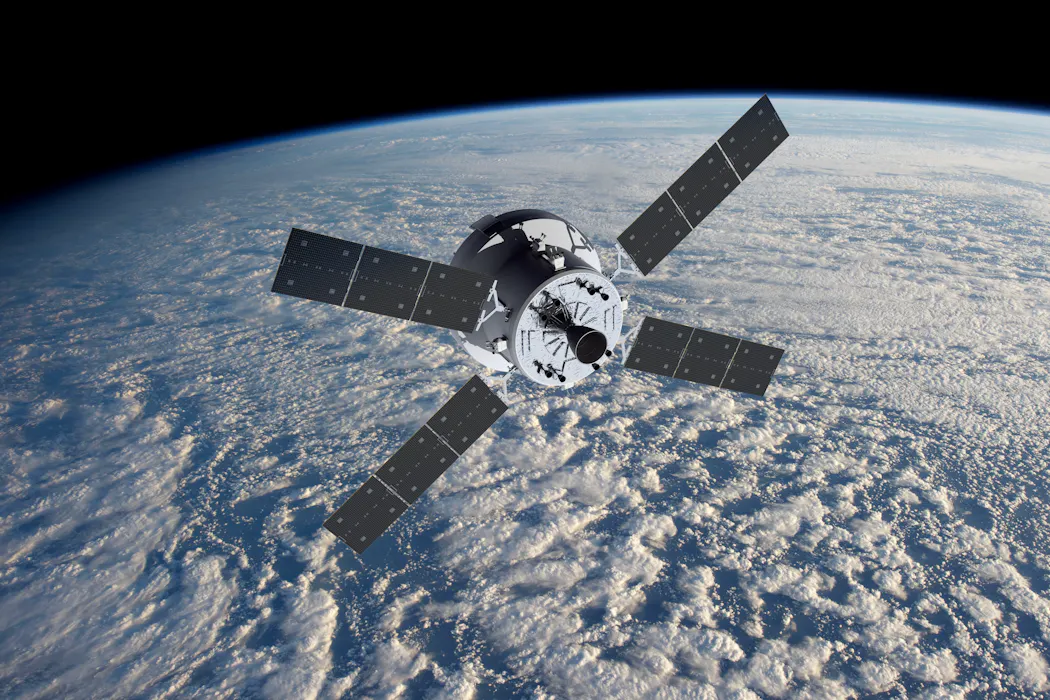
However, the Artemis III mission will not travel to the Moon. Instead, the Orion spacecraft will stay in low Earth orbit and aim to dock with lunar landing vehicles launched separately by one or two space companies.
Nasa astronauts Randy Bresnik, Frank Rubio and Andre Douglas and Italian European Space Agency astronaut Luca Parmitano will carry out the mission in late 2027.
There are two potential landers that could fly on their separate mission to then rendezvous with the Orion spacecraft; one made by Elon Musk’s SpaceX and the other by Jeff Bezos’ firm Blue Origin. They will carry astronauts down to the Moon’s surface on subsequent missions.
However, the timetable for Artemis III and the first mission to return astronauts to the lunar surface (Artemis IV) has been thrown into doubt by the recent explosion of a New Glenn rocket. This rocket is intended to launch Blue Origin’s lander, called Blue Moon.
The blast could add significant delay to the Artemis schedule and there is speculation that it could even put the US out of contention to reach the Moon before China, which is planning its own Moon landing mission for 2030.

Nasa
On May 28, 2026, Blue Origin’s New Glenn rocket, which is able to carry heavy payloads, was undergoing a standard engine fire test. For reasons which are still unclear, a huge explosion destroyed the rocket and damaged Blue Origin’s only launchpad, located at Cape Canaveral Air Force Station in Florida.
To reduce costs, Nasa’s Artemis programme relies on companies like Blue Origin to deliver key elements for lunar missions, like the landers.
Rockets capable of lifting heavy payloads into orbit will be needed for launching the building blocks of Nasa’s Moon base, which will be assembled over the next few years.
Under previous plans, SpaceX’s Starship vehicle would have been used as the lander for the first two Artemis missions to touch down on the Moon. However, Starship ran into problems during flight tests, so Nasa hatched a plan B.
This backup plan brought Blue Origin’s Blue Moon lander into the mix for Artemis IV, the first mission back to the lunar surface. Now, with the explosion, even their Plan B seems to have moved out of reach.
How bad is the situation though? Blue Origin only has one launch pad that, at the moment, cannot be used. But recent updates by the company’s CEO, Dave Limp, indicated that the situation may not be as dire as it might have been. He indicated that New Glenn might even return to launch before the end of the year.
The propellant farm (which stores the rocket fuel and oxidiser that are pumped into the rocket just before launch), as well as the water tower were undamaged. So were the booster and upper stages of another New Glenn rocket held in the pad’s integration facility. The launch tower will only need to be repaired and not rebuilt.
To gain some insight into the potential impact on the timescale for a next launch, we might be able to look at a similar situation faced by SpaceX in September 2016 where a Falcon 9 rocket exploded on one of their launchpads.
They were able to continue only four months after, but from one of their alternative launch sites, none of which were fully operational at that time. But Blue Origin has no alternative site at all. SpaceX needed more than a year to start up operations again on their damaged launch site.
Kiko Dontcev, vice president of launch at SpaceX, commented on the task ahead for Blue Origin. He described the rebuild as a high precision dissection of the damaged site to help better understand the incident. “In the initial days and weeks after you’re using a scalpel not a bulldozer,” he commented on X.
This might cast doubt on hopes that New Glenn could launch again this year. Indeed, Nasa’s chief Jared Isaacman told CNBC that the launch pad might not be restored until 2028. Currently, we just do not have the full picture of the damage and work needed. So, we can only hope that New Glenn launches can resume as soon as possible.
Nasa is already trying to limit the impact of the New Glenn explosion by urging Blue Origin to look at other rockets for launching its Blue Moon lunar landers. This would allow Nasa to still meet its deadline of landing astronauts on the Moon in 2028.
But New Glenn is still needed to land hardware such as the lunar terrain vehicles for Artemis missions and a robot rover called Viper, which will scout for water ice at the Moon’s south pole.
Exploring with pride
However, with 2030 approaching fast, the knock-on effects of the explosion could lead to China beating the US to the Moon. But the Artemis programme had already been hit by delays as a result of Nasa’s dependence on government whims and variable funding. Overall, the Artemis programme has had a relatively tight budget to work with.
Space agencies like Nasa must try (as much as possible) to decouple their efforts in space from ongoing turmoil in domestic politics. It could also do well to rely less on ventures led by billionaires, who often have their own private objectives.
One could view the Chinese lunar programme as being more stable, because of their one-party state as well as their strong sense of national pride. However, there is also a lack of transparency in their space programme and a focus on propaganda.
As an outside observer, it appears that Nasa’s current timeline for landing on the Moon and establishing a permanent lunar base is slipping away. But this may not be the disaster some in the space industry think it is. Perhaps we should embrace a pride in exploring space as a community of nations working together.

Daniel Brown does not work for, consult, own shares in or receive funding from any company or organisation that would benefit from this article, and has disclosed no relevant affiliations beyond their academic appointment.