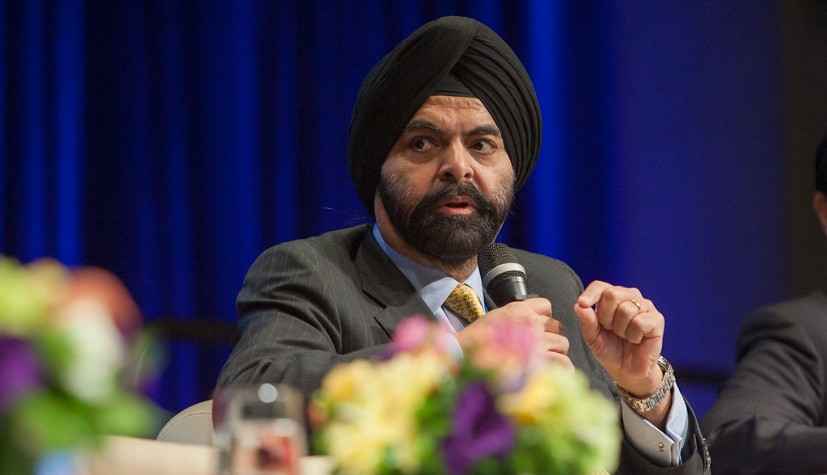
BANGKOK — Micro, Small, and Medium-sized Enterprises (MSMEs) form the indispensable backbone of economic activity across developing nations rather than merely acting as peripheral contributors, World Bank Group President Ajay Banga asserted during a flagship session at the World Bank Group–IMF Annual Meetings in Bangkok.
Speaking at the MSME Finance: Leveraging Data for Jobs panel on Tuesday, October 13, Banga emphasized that small-scale enterprises are the primary engine driving global employment and community stability.
“Micro, Small and Medium-sized Enterprises do not just contribute to the economy. They are the economy. They represent 90% of firms. They employ 75% of workers in the developing countries,” Banga declared during his opening address.
Navigating the Demography and Employment Challenge
Banga framed the crucial role of small businesses against a impending demographic transition in the global South. Over the next 10 to 15 years, an estimated 1.2 billion young people across developing nations will reach working age. However, existing market trajectories are projected to generate only around 420 million formal jobs.
Closing this structural employment gap, Banga argued, requires empowering small-scale entrepreneurs and formalizing MSME financial channels to absorb the incoming workforce.
Overcoming Credit Barriers Through Digitalization
A central challenge facing MSMEs in developing countries remains the widespread lack of access to formal credit and financial services. Traditional banking models often exclude small entrepreneurs due to stringent collateral requirements, lack of credit histories, and high transaction costs.
To address these hurdles, the World Bank Group is advocating for modernizing financial architecture:
- Data-Driven Credit Risk Assessment: Transitioning from rigid asset-backed collateral to transactional and digital footprints—such as mobile payment histories, e-commerce data, and digital invoicing—to evaluate creditworthiness.
- Alternative Risk Models: Leveraging fintech innovations and regulatory sandboxes to expand credit availability to previously unbanked business owners.
- Job Creation Focus: Directing international development funding toward micro and small enterprises to maximize job creation potential where private capital underinvests.
Institutional Strategic Shift
Under Banga’s leadership, the World Bank Group has placed private sector development and job creation at the forefront of its poverty reduction mission. By prioritizing data-led financial access for small businesses, multilateral financial institutions aim to help regional banks lower risk profiles and unlock local funding streams needed for long-term economic expansion.
World Bank President Ajay Banga Flickr Picture from World Bank Photo Collection