Blog post written by Alejandro Pérez Matus to discuss their latest study which aimed to help us understand kelp recovery after harvesting.
This blog post is also available in Spanish here.
Humans have been connected to kelp forests for more than 16,000 years. It is hypothesized that these underwater forests helped early coastal communities migrate from northeast Asia to the Americas. Today, the ecosystem services provided by brown kelp forests worldwide are valued at between 465 and 562 billion USD per year. Kelp forests sustain multiple fisheries, but they are also harvested directly as raw material for alginates. While many people may not recognize the term, alginates are part of our everyday lives—from the smooth texture in your favorite ice cream, to toothpaste stabilizers, and even in stem cell culture.
This fishery is concentrated in only a handful of countries. Chile is one of the most important, accounting for 30% of global landings. For this reason, scientists from Chile, Peru, and the UK conducted research to understand the resilience of kelp forests under intense harvesting pressure.
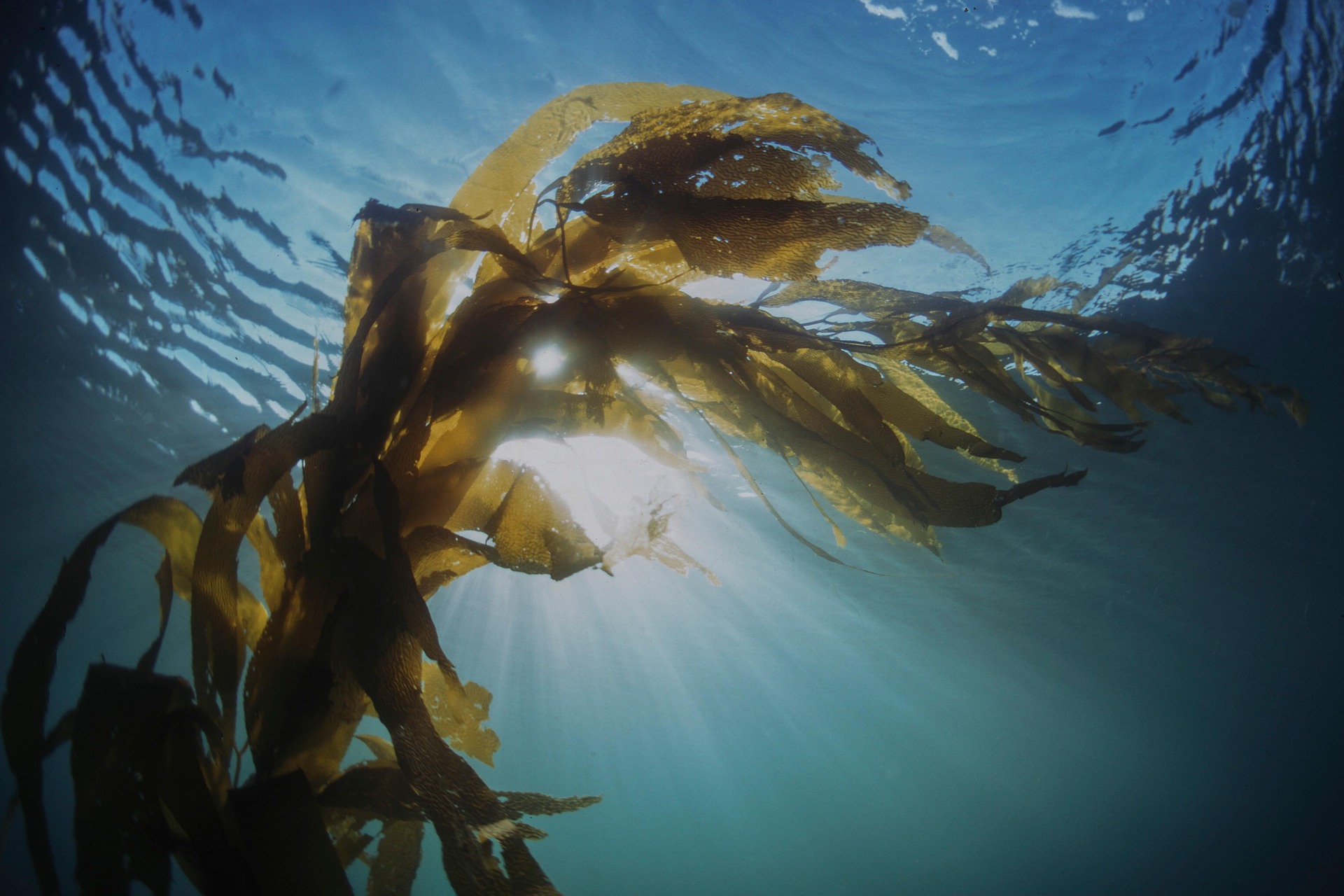
Brown kelp forests are found along nearly 28% of temperate coastlines, covering an area five times larger than coral reefs. They are biodiversity hotspots, providing food, shelter, and nursery grounds for countless marine species. They also contribute to carbon sequestration, oxygen production, and coastal protection.
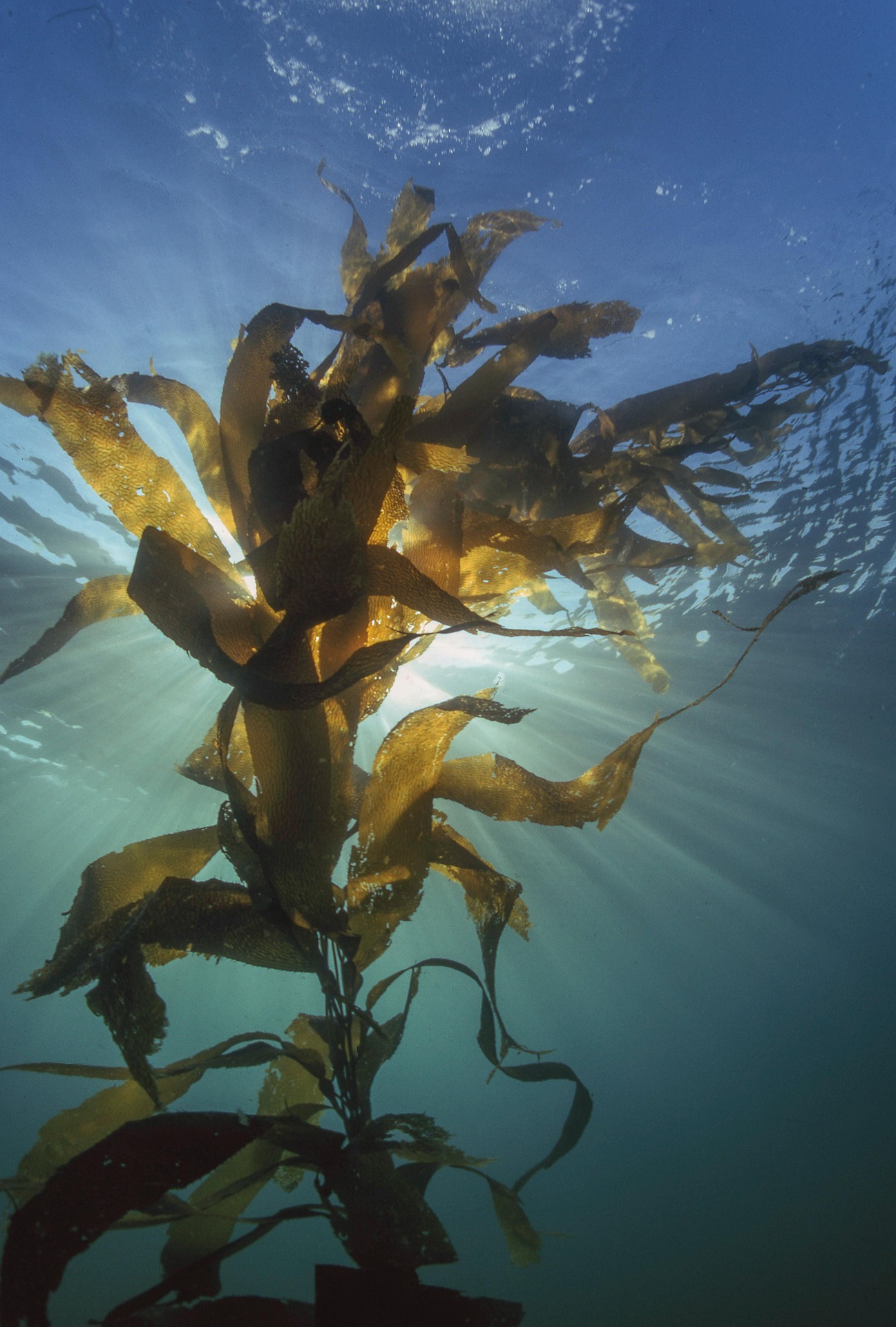
In Chile, the subtidal kelp forest, Lessonia trabeculata dominates rocky reefs. This kelp is harvested by artisanal fisher-divers using hookah diving systems and a traditional technique called ‘barreteo’—levering the kelp from its base or holdfast. While this is the correct method (since kelps do not regrow if only cut), it leaves bare patches on the seafloor. These open areas expose young kelps to higher light and to grazing by sea urchins and snails, often slowing down or preventing recovery. As a result, kelp regeneration is slow and uncertain, raising concerns about the sustainability of current exploitation levels.
To better understand kelp recovery after harvesting, we carried out an experimental removal at three sites along northern and central Chile, comparing different management regimes. In Chile, kelp management occurs mainly through Territorial Use Rights for Fisheries (TURFs), where fishers’ organizations regulate extraction through quotas and monitoring. Adjacent to these are Open Access (OA) areas, where regulation is weaker and enforcement limited.
Over three years, we monitored kelp density, size, grazing pressure, and predator abundance. We found that recovery was slow and highly variable along the coast. However, in two of the three TURF sites, kelp recovered better compared to OA sites—though even after 3.5 years, the plants remained relatively small. In contrast, OA areas generally showed higher herbivore abundance, which slowed recovery significantly. These results highlight the critical role of ecological balance and local management in sustaining kelp resilience.
The present study shed light on the complex ecology underlying kelp recovery and the long-term effects of harvesting. The findings emphasize the need to move beyond current rules and adopt adaptive, locally tailored, and ecologically grounded management plans. The project also sparked a multisectoral dialogue between fishers, scientists, NGOs, and government representatives from Chile and Peru, who discussed strategies such as long-term monitoring, adaptive management, and inclusive governance for the sustainability of kelp ecosystems.
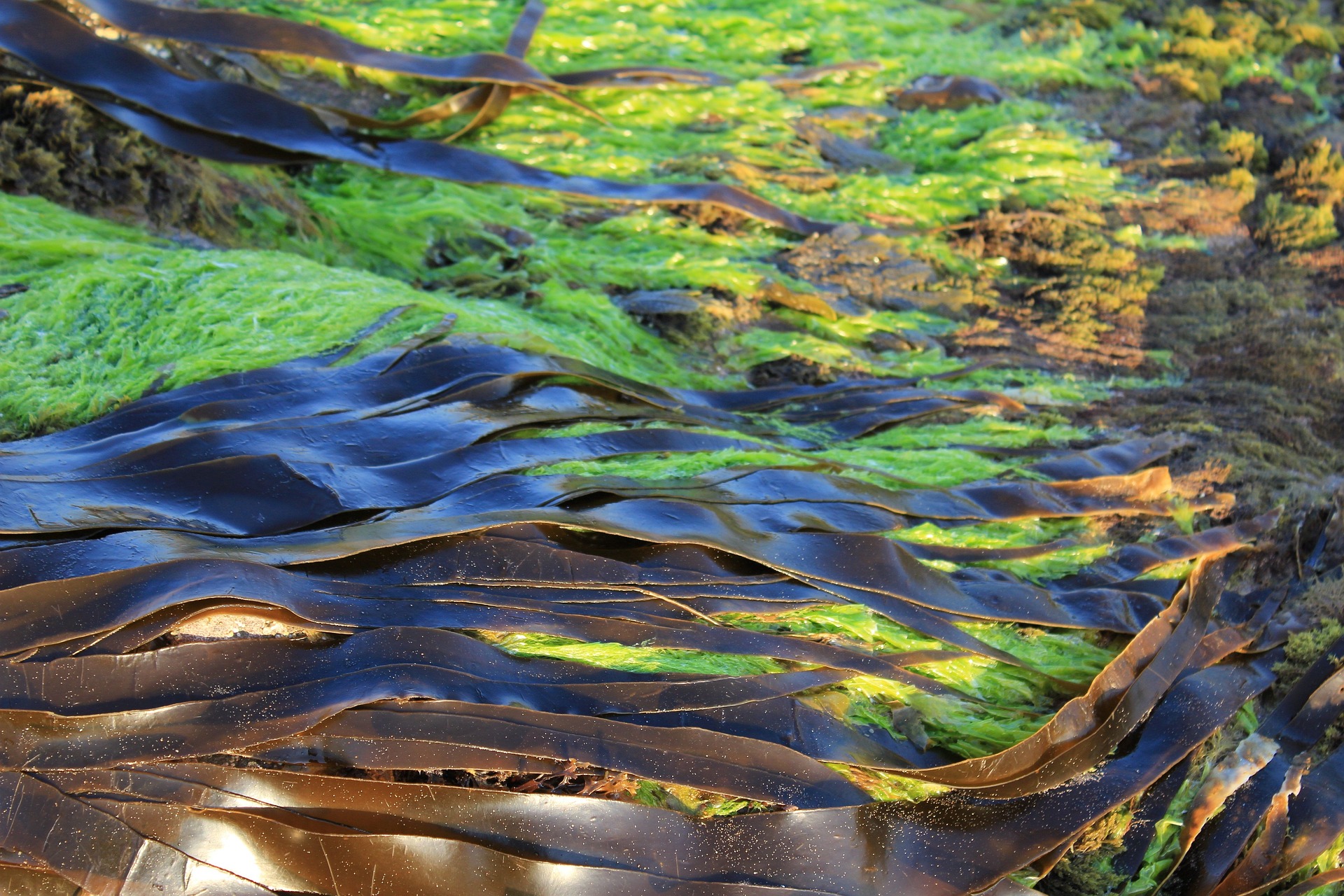
Kelp forests in Chile and Peru are much more than a source of alginates: they are foundational ecosystems that support biodiversity, livelihoods, and climate resilience. As global demand for kelp products grows, so does the urgency to manage these ecosystems wisely. The story of kelp reminds us that even everyday products connect us to distant underwater forests—and that science, communities, and policy must work together to protect them.
Read the full article, ‘Management regime influences the recovery of subtidal kelp forests following harvesting’ in Journal of Applied Ecology.