DUBLIN — Public services across Dublin and nationwide came to a standstill on Wednesday, October 14, 2026, as over 300,000 public sector workers staged a 24-hour national strike. The massive work stoppage—marking the largest industrial action in Ireland in nearly two decades—led to widespread closures of courts, municipal services, cultural institutions, and disruptions at major hospitals and universities.
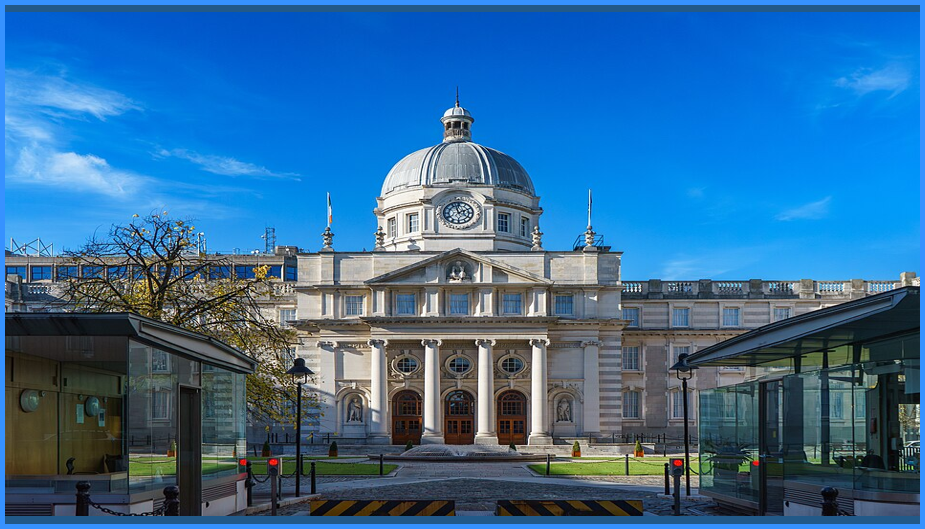
Picket lines formed early Wednesday morning across key Dublin locations, including outside the Mater Hospital, Dublin City Council’s Civic Offices on Wood Quay, Garda Headquarters in the Phoenix Park, Government Buildings on Merrion Street, and closed public parks such as St. Stephen’s Green.
Causes and Reasons for the Strike
The nationwide strike was organized by major trade unions—including SIPTU, Fórsa, IFUT, and Unite—following a breakdown in negotiations with the Irish government over public sector remuneration.
Key factors driving the protest action include:
- Expiration of the National Pay Agreement: The previous Public Service Agreement 2024–2026 expired at the end of June 2026. Unions stated that the government failed to bring forward a new substantive pay proposal during subsequent talks.
- Cost-of-Living Pressures: Striking workers highlighted acute financial pressures driven by inflation, surging utility costs, rising rents, and housing unaffordability in major urban areas like Dublin.
- Inadequate Budget Offer: While the government allocated €1.2 billion for public sector pay under Budget 2027, trade unions rejected the proposal, describing it as insufficient relative to current economic realities and an inflation rate running above 4%. Unions are demanding pay increases of at least 5% to preserve real earnings.
- Staff Retention and Recruitment: Picket lines featured workers pointing out that stagnant pay scales are preventing public bodies from recruiting and retaining staff, particularly younger workers struggling with Dublin’s living costs.
Widespread Service Impact
The 24-hour stoppage caused significant operational disruptions in Dublin and across the country:
- Courts: Court sittings nationwide were canceled and public counters closed, with exemptions maintained strictly for emergency domestic violence, childcare protection, and urgent High Court applications.
- Healthcare & Education: Non-emergency health appointments were postponed as healthcare workers picketed major hospitals. Academic staff at third-level institutions, including Dublin City University (DCU), Maynooth University, UCC, and University of Galway, mounted picket lines outside campuses.
- Local Services & Culture: Dublin City Council depots and municipal services were disrupted, while national institutions such as the National Gallery of Ireland and state-managed public parks remained closed for the day.
Political and Government Response
Opposition leaders voiced strong support for the striking workers. Sinn Féin leader Mary Lou McDonald criticized the government’s approach to negotiations, stating that workers were “left with no choice but to take to the picket lines” due to a lack of meaningful engagement.
In response, government officials reiterated that they remain open to negotiations to resolve the dispute. Cabinet ministers pointed out that additional reserves exist beyond the initial budget allocation to support a fair deal. However, union leadership warned that unless the government returns to the table with a credible pay proposal, further industrial action—including a second 24-hour strike scheduled for October 21—will proceed.
Government-Buildings-Dublin-Ireland-by-David-Kernan