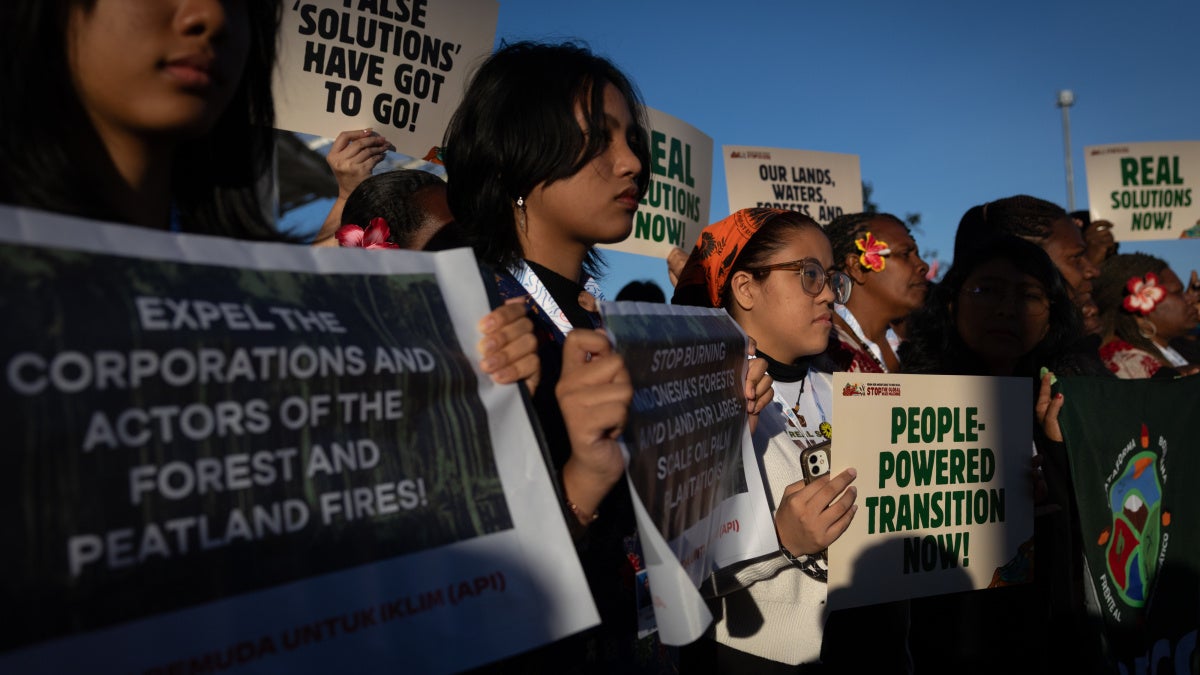
The Netherlands’ commitment at the United Nations climate change conference (COP31) today that it will invest up to half a billion dollars in the Tropical Forest Forever Facility (TFFF) is a major step towards protecting the world’s most biodiverse ecosystems and the rights and livelihoods of millions of people who depend on them.
When I attended COP26 in Glasgow in 2021, 137 countries committed to halt and reverse forest loss and land degradation by 2030. While that list of signatories has grown, the funding needed to meet these goals has remained inadequate. This endangers our collective ability to ensure forests, which absorb and store planet warming emissions, can act as an emergency brake to the climate crisis.
The TFFF seeks to tackle that problem by pooling money from governments and private actors to invest in a profit-yielding fund; the profit then supports payments for eligible tropical countries that demonstrably protect their forests. The goal is to have a self-sustaining fund that sidesteps the capricious ebbs and flows of aid. Initially championed by Brazil, it is now financially backed by multiple governments and private actors.
In response to demands from territorial leaders and civil society organizations, including Human Rights Watch, at least 20 percent of TFFF payments to tropical forest countries are earmarked for Indigenous peoples and local communities. The fund excludes investments “that cause significant environmental impact,” including “activities related to coal, peat, oil and gas.”
Today’s announcement brings the total investment pledged towards the TFFF to US$ 7.8 billion. While this remains short of the original 10 billion target, the fund is already planning to invest its initial sponsor capital and make its first payments to tropical forest countries next year.
Earlier this month, the Brazilian government, in their capacity as the previous climate conference president, also released a practical roadmap to enhance efforts to halt and reverse deforestation and degradation, building on input from 180 actors, including Human Rights Watch. It aims to align international efforts towards tested methods.
The roadmap recognizes strengthening “rights holders’ authority over lands, territories and resources, supporting long-term forest stewardship and reducing pressures from encroachment, competing claims and unauthorized forest conversion” as an effective policy intervention. After a decade working with environment, land, and Indigenous rights defenders who put their lives on the line to protect their territories, I couldn’t agree more with this analysis.