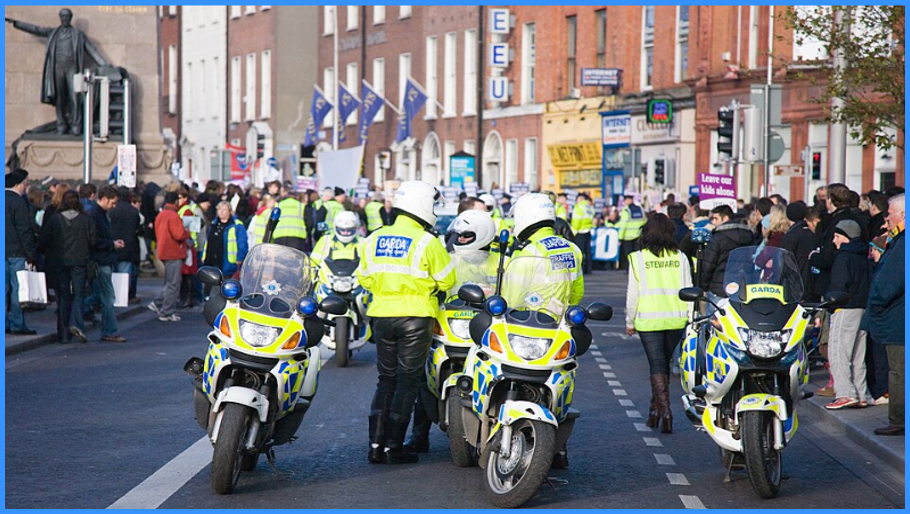
The An Garda Síochána [Irish Police] has issued an urgent public warning regarding an escalating financial scam targeting individuals across Ireland through fraudulent bank text messages and sophisticated social engineering tactics.
The alert follows a significant surge in fraudulent activity. According to figures released by law enforcement, seven known victims were defrauded of approximately €150,000 in a single week. In one particularly severe instance, a single victim lost €75,000 to the operators of the scheme.
Mechanics of the Fraudulent Scheme
The ongoing scam relies on unsolicited communications designed to manipulate individuals into surrendering access to their life savings or financial credentials:
                         ANATOMY OF THE BANK TEXT SCAM

  Unsolicited Fake Bank Text ──► Pressure / Urgency Tactics ──► Exploitation Phase
  (Smishing Link or Call)       ("Funds at Risk" / "New Account")     │
                                                                       ├── Remote Access to Devices
                                                                       ├── Direct Transfer of Savings
                                                                       └── Crypto Wallet Creation
- Initial Contact (Smishing): Victims receive unsolicited text messages appearing to originate from legitimate banking institutions, warning of compromised accounts or suspicious transactions.
- Coerced Transfer of Savings: Scammers instruct victims to transfer their funds into designated “safe accounts,” new accounts, or cryptocurrency wallets under the guise of protecting their assets or securing guaranteed investment returns.
- Remote Access Exploitation: In several instances, fraudsters persuade individuals to install software granting remote access to their computers or mobile devices, allowing unauthorized access to online banking portals.
Official Advice from the Garda National Cybercrime Bureau
The Garda National Cybercrime Bureau (GNCB) advises all members of the public to maintain strict vigilance and adopt the following protective measures:
- Exercise Caution with Unsolicited Contact: Treat all unexpected calls or texts claiming to be from financial institutions with suspicion. Never share personal details, PINs, or online banking passwords.
- Refuse Remote Access: Never grant third parties remote access to a computer, tablet, or smartphone based on an unsolicited phone call or text message.
- Decline Crypto Wallet Instructions: Do not open cryptocurrency accounts or digital wallets on the instruction or guidance of an external party.
- Verify Before Moving Savings: Never transfer savings to unfamiliar accounts based on promises of guaranteed returns or under the pretense of securing a “new” or “safe” account.
- Consult Trusted Sources: Speak directly with a trusted relative or meet in-person with a representative at your local bank or credit union before executing significant financial transfers.
What to Do If You Are Targeted
An Garda Síochána emphasizes that financial institutions will never contact customers via text or phone asking them to transfer money to a new account, share online banking security credentials, or grant remote access to personal devices.
Anyone who believes they have engaged with a fraudulent message, disclosed financial details, or transferred funds to an unauthorized party should immediately contact their banking provider to freeze affected accounts and report the incident to their local Garda station.
Gardai-Irish-Police-Wikimedia-Picture-by-William-Murphy