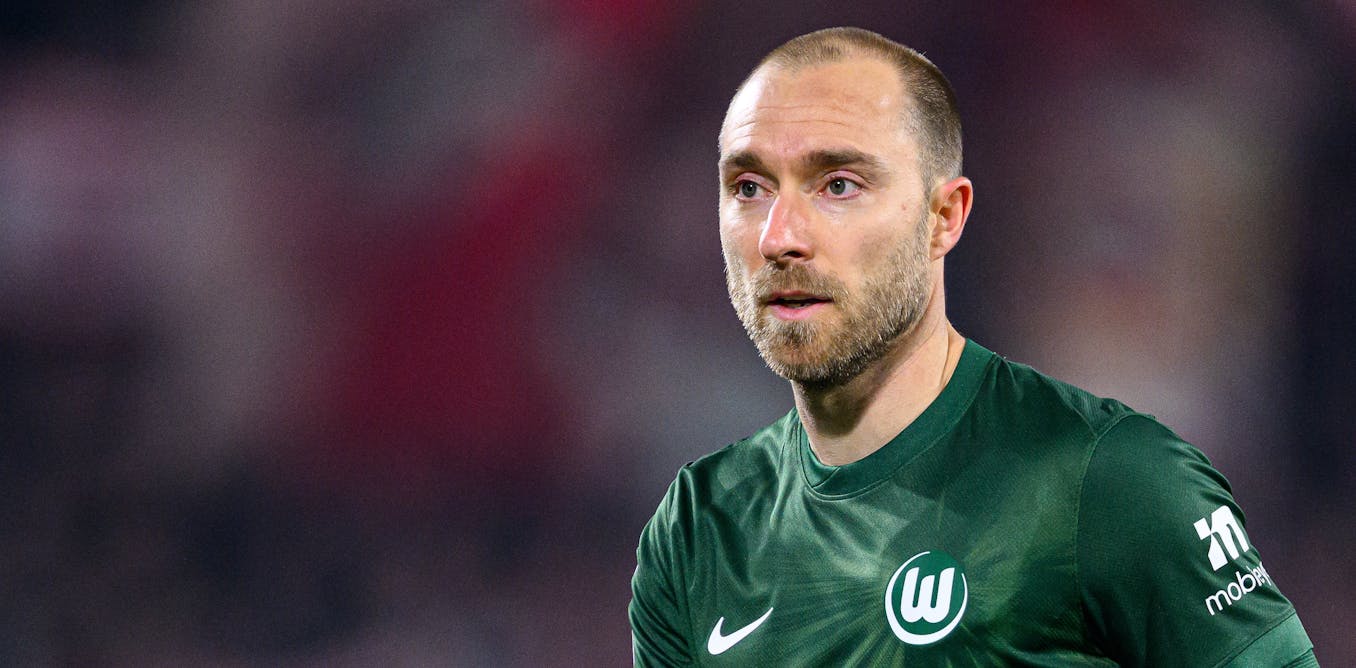
When Danish footballer Christian Eriksen collapsed during a friendly match recently, many people would have been surprised to see the footballer walk off the pitch after regaining consciousness.
The event brought back memories of Eriksen’s cardiac arrest during the delayed Euro 2020 tournament in 2021. On that occasion, he required emergency treatment on the pitch.
After the incident, Eriksen was fitted with an implantable cardioverter defibrillator (ICD). It’s thanks to this device that he is now recovering at home. The footballer even posted on social media that his ICD “did exactly what it was designed to do: protect me when I needed it”.
Although details of this latest incident are still emerging, ICDs – however effective – do not make someone immune to symptoms, blackouts or future medical problems.
What is an ICD and how does it work?
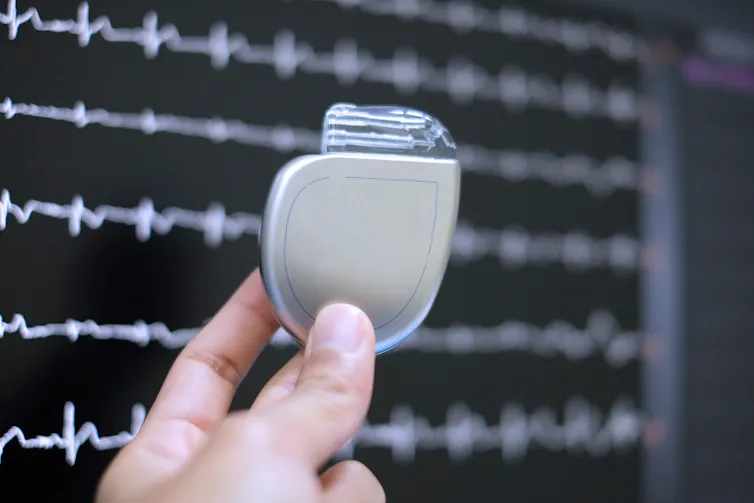
An ICD is a small pacemaker-like device designed to protect people at risk of dangerous heart rhythm disturbances. These abnormal rhythms can stop the heart from pumping enough blood around the body and, if left untreated, may lead to cardiac arrest.
The ICD is implanted under the skin below the collarbone and connected to the heart by one or more thin leads. It continuously monitors the heartbeat and can respond within seconds if a dangerous rhythm occurs. Depending on the situation, it may deliver a series of small electrical impulses or, if necessary, a stronger shock to restore a normal rhythm.
Importantly, an ICD does not stop abnormal rhythms from occurring. Like an airbag in a car, it provides protection when something goes wrong.
Why would someone need an ICD?
ICDs are recommended for people who have survived a cardiac arrest or who are known to be at high risk of developing life-threatening heart rhythms.
This includes some people with inherited heart conditions, diseases affecting the heart muscle, previous heart attacks or disorders of the heart’s electrical system.
How does an ICD respond during a cardiac emergency?
If a dangerous rhythm occurs, the ICD can deliver treatment within seconds. Patients may experience palpitations, breathlessness, chest discomfort or dizziness before treatment is delivered.
If a shock is required, it’s often described as a sudden jolt or thump to the chest. Although unpleasant, the shock is intended to stop a potentially fatal rhythm disturbance.
PIJITRA PHOMKHAM/ Shutterstock
Modern ICDs also record detailed information about these events and can often transmit information directly to the hospital.
Can someone with an ICD still lose consciousness?
Although ICDs act quickly, they are not instantaneous. If a dangerous rhythm develops suddenly, blood flow to the brain can fall before treatment is delivered. Some people may therefore feel dizzy, lightheaded or briefly lose consciousness.
However, not every blackout is caused by a dangerous heart rhythm. In fact, other causes are often more common.
Many people with ICDs take medications that lower blood pressure or slow the heart. These treatments are important but can occasionally cause blood pressure to fall too low in certain situations – for example, if someone becomes dehydrated, is unwell with an infection or stands up quickly.
Exercise can contribute too. During physical activity, the body normally increases heart rate and blood pressure to maintain blood flow to the brain and muscles. But some heart medications can blunt these responses, occasionally leading to dizziness or even a blackout despite the heart rhythm remaining normal.
What tests do doctors perform after an incident?
After an ICD delivers treatment, doctors will usually want to understand exactly what happened.
One of the first steps is to interrogate the device, allowing specialists to review recordings of the heart rhythm before, during and after the event. Additional tests may include an electrocardiogram (ECG), blood tests and an echocardiogram.
These tests allow doctors to look for the cause of the blackout and exclude other problems. Doctors will also look for possible triggers such as worsening heart disease, dehydration, medication changes or abnormalities in blood chemistry.
Why do athletes with ICDs remain under close monitoring?
Athletes and highly active people require particularly careful follow-up after an incident.
Exercise is important for health and many people with ICDs can continue to participate in sport. However, very fast heart rates during intense exercise can make it more difficult for the device to distinguish between normal exertion and a dangerous rhythm. In some people, strenuous exercise may also increase the likelihood of rhythm disturbances.
Regular reviews allow doctors to assess symptoms, review device recordings and adjust settings where necessary.
Eriksen’s return to elite football after his cardiac arrest demonstrated what modern heart rhythm management can achieve. His latest collapse is a reminder that an ICD is only one part of managing people at risk of dangerous heart rhythms.
These devices cannot cure the underlying condition, but they provide a powerful layer of protection that allows many people, including some professional athletes, to continue living active and fulfilling lives.

Klaus Witte has received funding for research into personalised programming of pacemakers and ICDs from the UK NIHR and the British Heart Foundation.