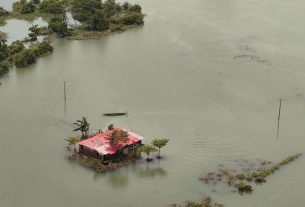
On the occasion of the International Day for Disaster Risk Management, the European Commission is convening the very first cross-regional dialogue ‘From Space to Grassroots: Strengthening Community Resilience to Natural Hazards through Space Technologies’. The dialogue marked the start of a process to further strengthen international cooperation to anticipate, prepare for and respond to disasters using space technologies.
The dialogue identified opportunities for closer cooperation with partners worldwide, from improving early warning systems and sharing satellite data and expertise to strengthening national and local response capacities. The aim is to make better use of space technologies across all levels of action, to protect lives and livelihoods, particularly in vulnerable communities.
Space services support all phases of the disaster management cycle, from preparedness and prevention with forecasts and early warnings to mapping in support of emergency response and recovery assessments after the disasters. Satellite data also feeds into information systems to facilitate the work of competent authorities in Europe and worlwide.
The outcome of the discussions of Hadja Lahbib, Commissioner for Preparedness and Crisis Management, and Andrius Kubilius, Commissioner for Defence and Space resulted into a ‘Compass on Space and Disaster Risk Management‘. This document emphasises the need to translate data into actionable information. As disasters expand, so should our capacity to anticipate and mitigate their impact, beyond borders and in partnership with local, national and international bodies.
Kamal Kishore, UN Special Representative for Disaster Risk Reduction, and Thomas Byrne, the Irish Minister of State for European Affairs and Defence, also participated in this event, alongside representatives of disaster risk management organisations from Latin America and the Caribbean, Asia and Africa.
Commissioner for Preparedness and Crisis Management, Hadja Lahbib, said:
‘When a river is about to flood, families don’t need a hazard map. They need a clear warning, from someone they trust, in time to get to safety. And first responders need to know when to open shelters and help people evacuate. That is why we are working with our partners to turn satellite data into action on the ground. Acting earlier, working together, protecting people. We have extraordinary technology orbiting above our heads. But the real power of space technology is not what we can see from above, but the lives we can protect below.’
Commissioner for Defence and Space, Andrius Kubilius, said:
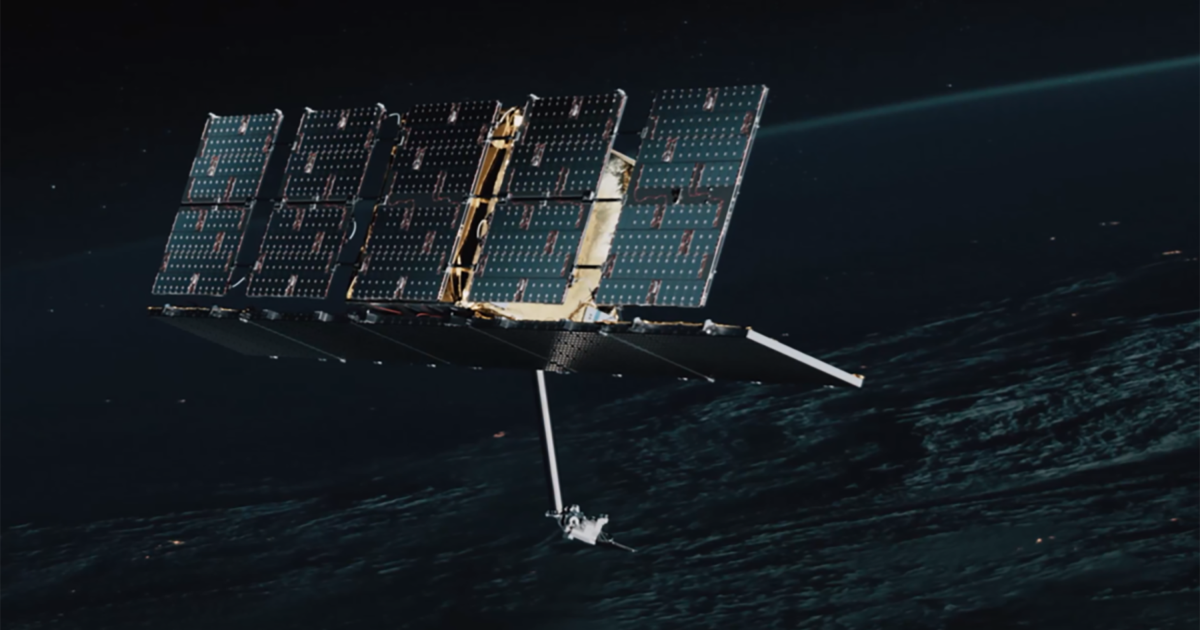
‘Space is a strategic asset for Europe, with a direct impact on the security and lives of our citizens. Through Copernicus, Europe’s eyes on Earth, we provide critical and timely information to help authorities anticipate disasters, assess their impact and respond when every minute counts. The EU is further reinforcing its space services with Galileo, GOVSATCOM and IRIS². This is the real-life example of EU’s action in space.’
Background
Being a key component for humanitarian aid operations, disaster preparedness is embedded into EU humanitarian aid programmes and projects across all sectors in line with the disaster preparedness guidance note. The guidance outlines the EU’s approach to disaster preparedness and risk-informed humanitarian response.
In the area of civil protection, the Commission recently adopted a communication and a recommendation on the Union disaster resilience goals setting a common agenda to reinforce prevention and preparedness.
When national capacities are overwhelmed by the effects of a disaster, countries can activate the EU civil protection mechanism. Once requested, the assistance made available by EU Member States and participating States is coordinated through the emergency response coordination centre. The Commission can co-finance such operational costs, including transport, enabling the delivery of assistance to the country affected within a few hours with lower budgetary impact on those offering the assistance.