Thousands of dead puffins are washing up on Europe’s beaches – why it’s been such a dangerous winter for seabirds

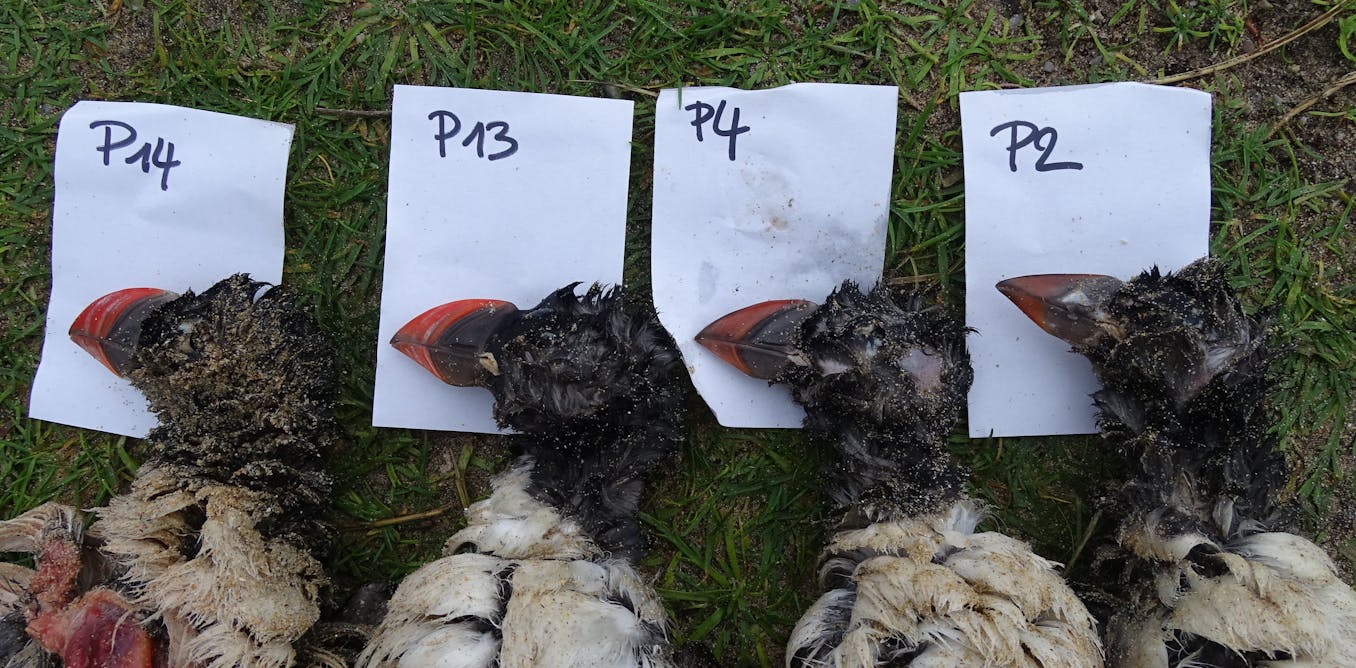
Puffins are dying from starvation due to recent storms. Bernard Cadiou, CC BY-ND February 2026 has seen thousands of dead seabirds washing up along the coastlines of the UK, France, Spain and Portugal. There’s evidence that these “wrecks” (where large numbers of seabirds are found along beaches) are becoming increasingly common because of climate change. […]

Continue Reading

Will 2026 be another slugageddon?

Art_Pictures/Shutterstock British gardeners and farmers may remember 2024 with a shudder – it was widely referred to as “the year of the slug”. Vast numbers of slimy slitherers chomped their way through raspberries, laid waste to lettuce and toppled tomato plants. Directly sown crops were demolished, early carrots did not germinate and main crop potatoes […]

Continue Reading

Morocco: ancient fossils shed light on a key period in human evolution

Could a Moroccan cave hold a crucial piece of the puzzle of human origins? Hominin fossils dating back 773,000 years discovered in the country are bringing new evidence to the debate about the last common ancestor of present-day humans (Homo sapiens), Neanderthals and Denisovans. The discovery points to a long evolutionary history in north Africa, […]

Continue Reading

From fragmented to connected: a shared hub for Europe’s AI

Across Europe, researchers are using AI to tackle everything from underwater noise pollution to media fact-checking and smarter farming. Until recently, there was no widely used common gateway where they could easily share tools, data and computing power, but that is all changing. Europe’s AI research and innovation is now being brought together on a […]

Continue Reading

How the AI boom was enabled by a 1970s economic revolution

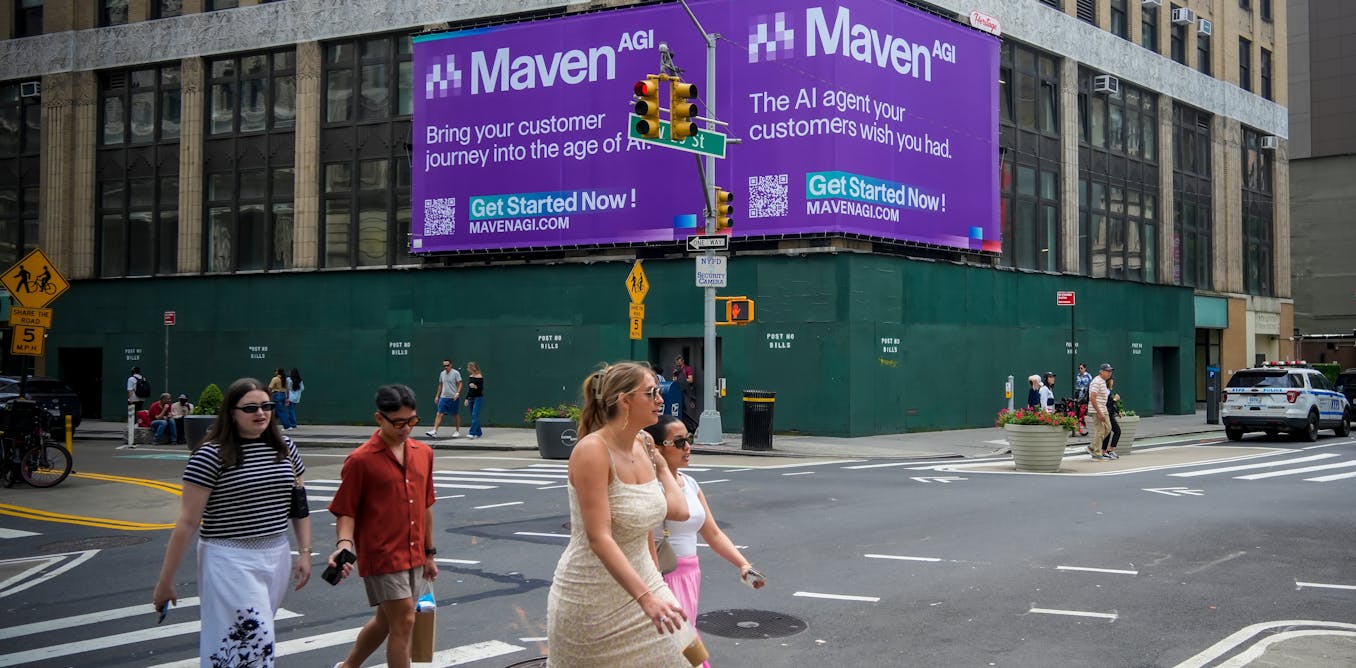
Advertising in New York for Maven AGI, an artificial intelligence company providing customer support services. rblfmr/Shutterstock Artificial intelligence is accelerating a global economic revolution that began back in the 1970s. Researching the impacts of AI on different sectors of society highlights an important parallel moment in history: the creation of the “service economy” in the […]

Continue Reading

Animals’ perception of time is linked to the pace of their life – new study

STILLFX/Shutterstock As you read this, the screen is probably flashing over 240 times per second, yet, as a human, you won’t notice this flickering light. However, to a fruit fly hovering above your head, the screen would represent a strobe light fit for an Ibiza rave. This is because the way different species sample time, […]

Continue Reading

Molecules found in Martian rock hint at ancient life – new study

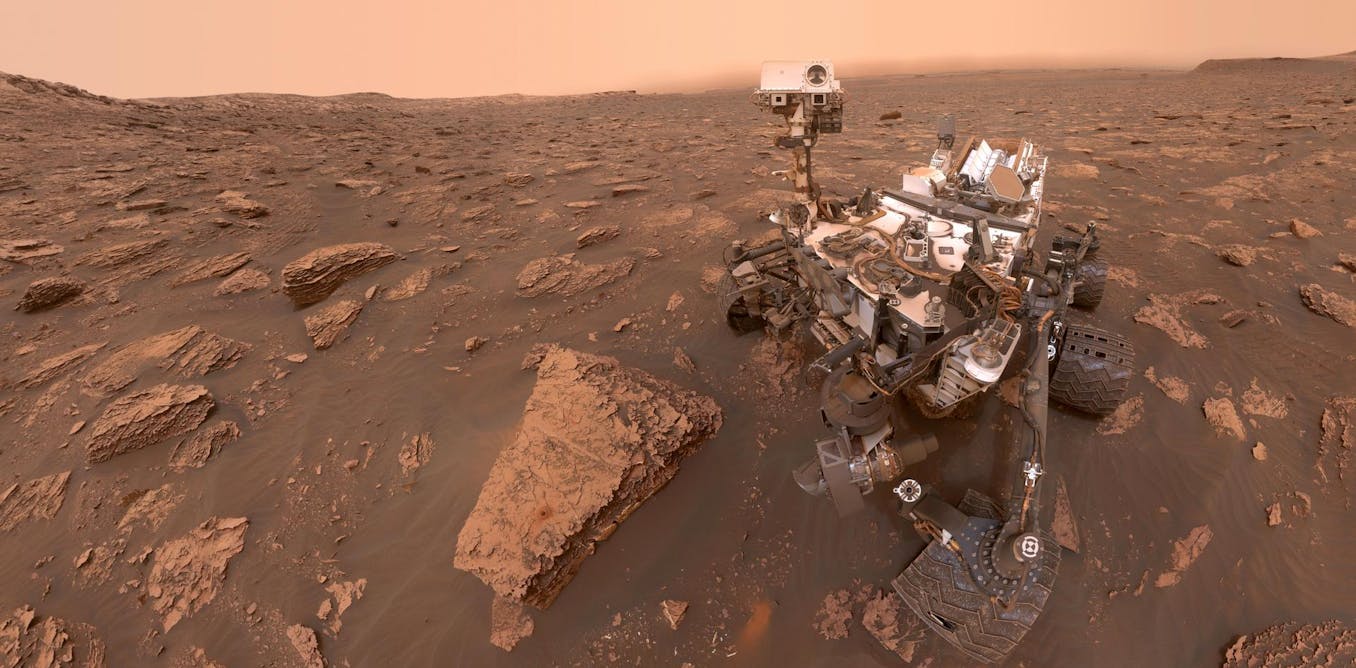
A new study of carbon-based molecules in a Martian rock offers new hints about the possibility that the red planet once hosted life. The researchers considered a range of possible processes that could have produced the molecules they found. They argue that high concentrations of large organic (carbon-based) compounds found in the rock cannot be […]

Continue Reading

The furore over Grok’s sexualised images has begun an AI reckoning

Controversy over the chatbot Grok escalated rapidly through the early weeks of 2026. The cause was revelations about its alleged ability to generate sexualised images of women and children in response to requests from users on the social media platform X. This prompted the UK media regulator Ofcom and, subsequently, the European Commission, to launch […]

Continue Reading

Why it’s funnier when you’re not allowed to laugh

michaelheim/Shutterstock.com I don’t think I’ve ever laughed harder than during a church service, when something faintly ridiculous caught my eye. My friend saw it too, and once she started laughing, it became impossible to stop. Years later I’ve tried to explain what was so hilarious, but it seems you had to be there. What was […]

Continue Reading

Fish use more energy to stay still than previously thought

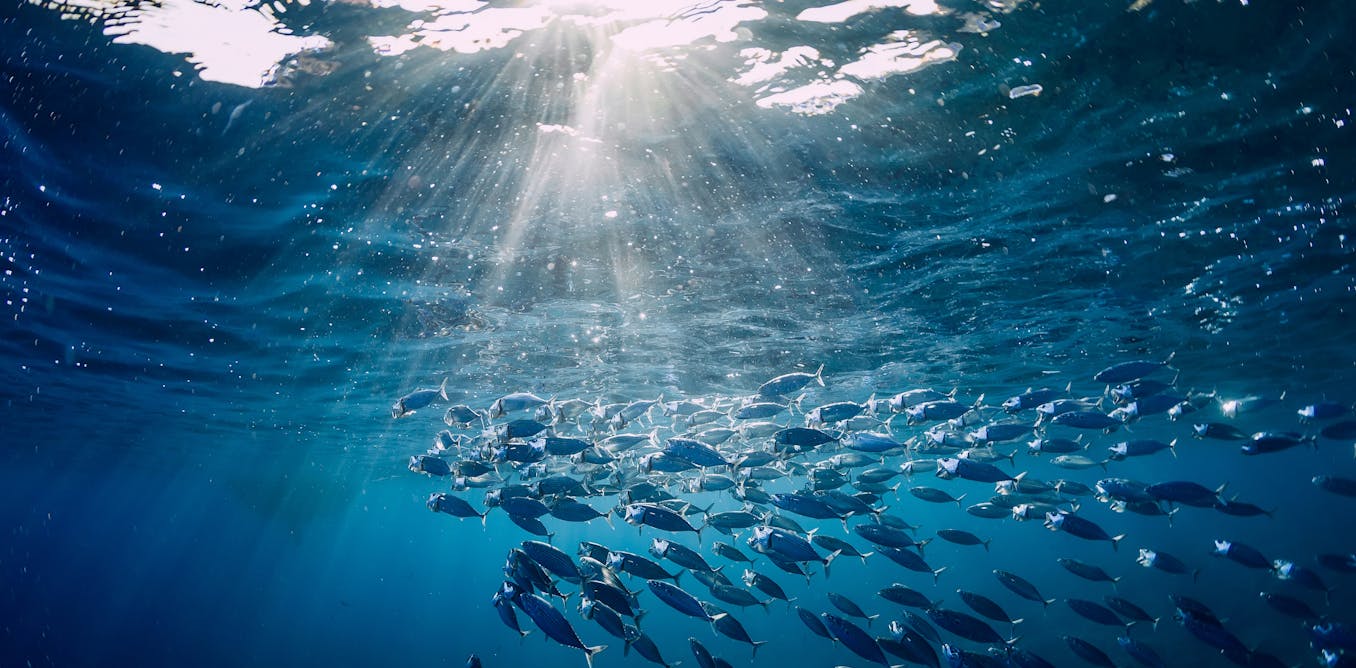
Wonderful Nature/Shutterstock Many fish appear to hang effortlessly in the water while they wait for prey, defend a nest or pause between bursts of activity. But our research shows that this quiet stillness is anything but effortless. Hovering, the behaviour that allows a fish to remain suspended in one place, is far more energetically demanding […]

Continue Reading