Perimenopause and heart health: when chest symptoms need urgent attention

Prostock-studio/Shutterstock A racing heart can be frightening at any age. Palpitations are common during perimenopause and may occur alongside hot flushes, anxiety and disturbed sleep. In many cases, they do not indicate a serious heart problem, but they should not automatically be attributed to hormonal changes. Palpitations can occur for many reasons, including stress, anaemia, […]

Continue Reading


Smouldering myeloma: Lauren Laverne’s diagnosis explained

When the BBC presenter Lauren Laverne revealed she has smouldering myeloma, the diagnosis sounded more alarming than it is. Her situation is more subtle and nuanced than the word “myeloma” suggests. Smouldering myeloma is better thought of as an early warning stage – a sign that some of the cells in her bone marrow are […]

Continue Reading

Testosterone and combat readiness: what does the evidence really show?

Pete Hegseth, the US defence secretary, recently announced plans to measure testosterone levels in US soldiers with a promise of “ensuring you have the right testosterone levels to operate at your absolute best”. Soldiers found to have low testosterone would be offered treatment, although accepting it would remain voluntary. The announcement has reignited debate about […]

Continue Reading

Why you keep buying books you don’t read – and why it feels so good

Gorgev/Shutterstock.com At busy times, I find I simply cannot read as much as I would like to. Life has a habit of filling every available hour with work, meetings, emails, chores, errands and deadlines. Standing in one of my natural habitats – a bookshop – it is frustrating to see so many things I want […]

Continue Reading

How to know when fruit and veg are still safe to eat – and when they should be binned

Overripe fruit and veg can harbour harmful bacteria. Krakenimages.com/ Shutterstock Whether it’s trimming off a piece of mushy parsnip or cutting away a slightly mouldy bit of apple, many of us have used produce long after their peak of freshness. While fruits and veggies are important for our health, they’re also highly susceptible to bacteria, […]

Continue Reading

The next skincare revolution could start with your immune system

Jacob Lund/Shutterstock Moisturisers, sunscreens and anti-ageing creams are usually sold on familiar promises: to keep water in the skin, strengthen its protective barrier, protect against sun damage or reduce visible signs of ageing. These functions remain central to healthy skin. Researchers are now taking a broader view. The skin is also an active immune organ […]

Continue Reading

Do patients who suffer heart attack have more micro and nanoplastic in their blood? New study assessed

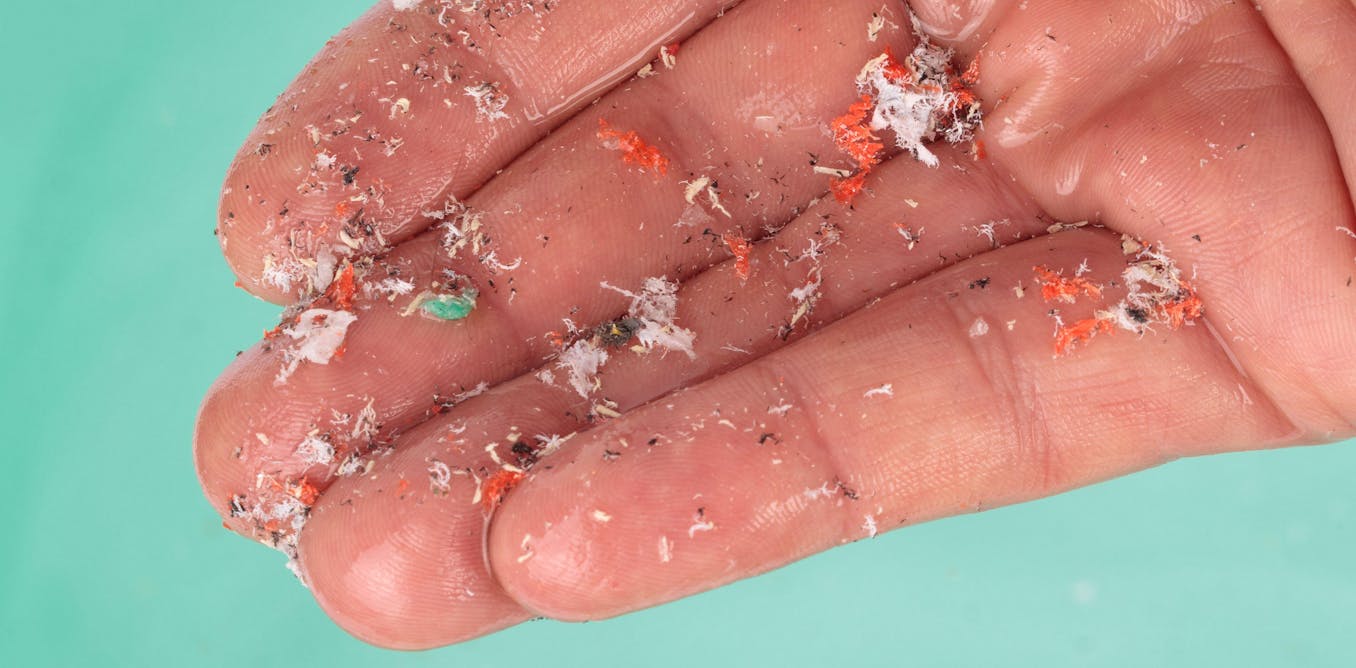
Microplastics are a big environmental issue. They’ve been found in oceans, drinking water, seafood, the air we breathe, and increasingly throughout the human body, from the placenta to the brain. A new study by researchers in Italy, published in the European Heart Journal, adds another organ to that growing list: the heart’s own blood supply. […]

Continue Reading

Antibiotic resistance is a growing problem, but solutions do exist – expert Q&A

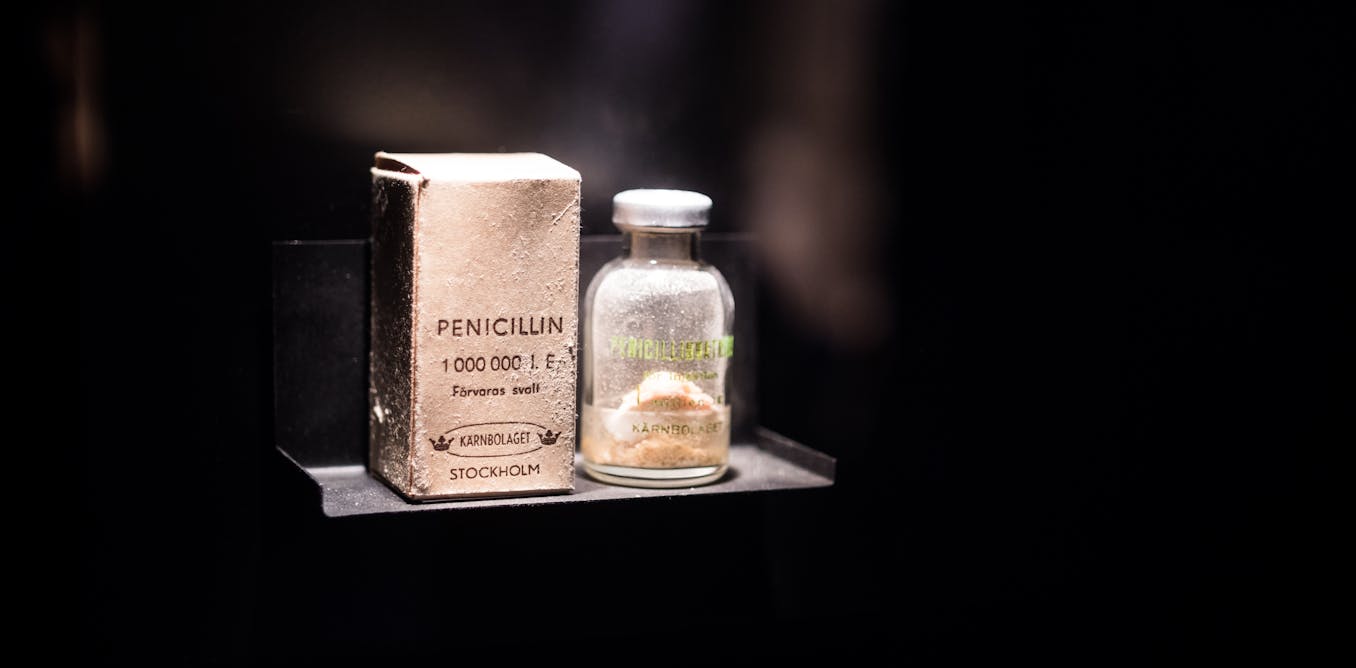
Julien-images-videos-93/Shutterstock.com Bacteria that are resistant to antibiotics are linked to millions of deaths a year – a number set to grow dramatically. From hospital wards to farms, resistance is being driven by how, and how often, we use antibiotics. Dr Sam Willcocks, director of the Antimicrobial Innovations Centre at Brunel University London, answers key questions […]

Continue Reading

Melatonin may help ease chronic muscle and joint pain, new study suggests

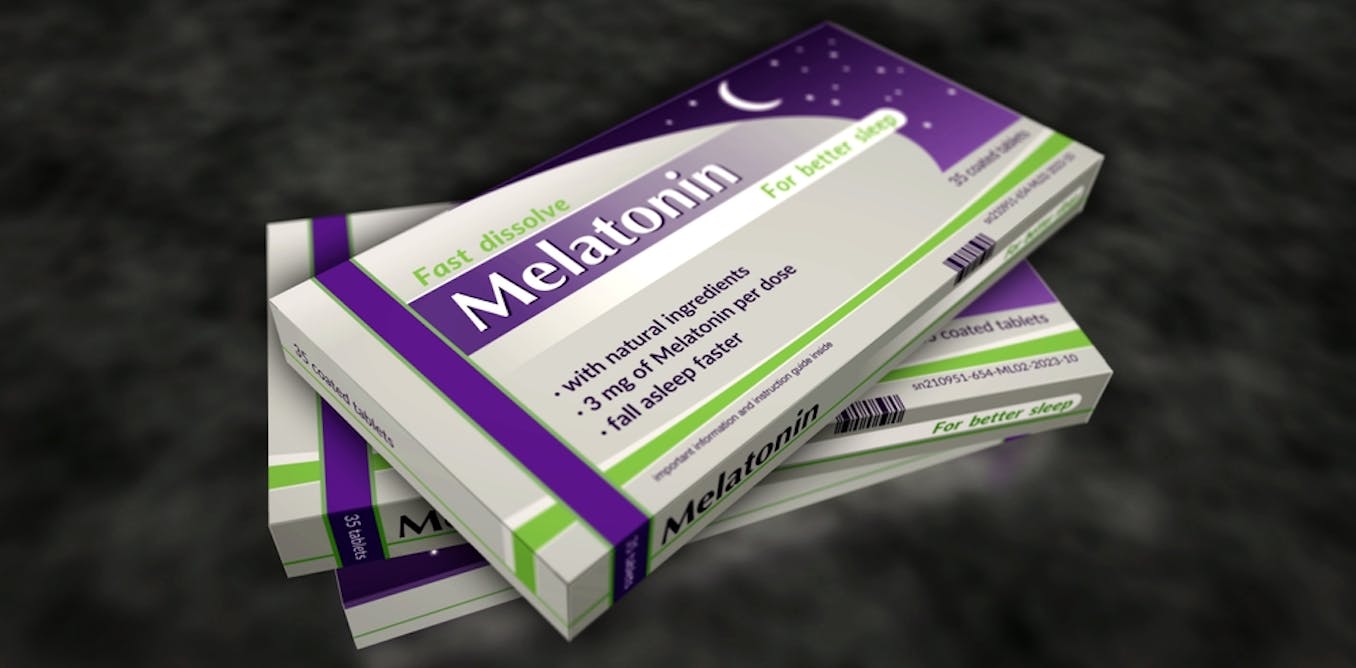
Skorzewiak/Shutterstock.com Melatonin is best known for helping us sleep. But a new study suggests it might have another surprising use: easing muscle and joint pain. Produced naturally by the pineal gland in the brain at night, melatonin helps regulate the body’s sleep-wake cycle. That’s why this hormone is widely used as a treatment for insomnia […]

Continue Reading

Can speaking multiple languages really lower dementia risk? It’s not that simple

Song about summer/Shutterstock.com The risk of dementia rises as the brain ages. One reason is that connections between brain cells weaken over time. Diseases of the brain, such as Alzheimer’s and stroke, can speed this up, eventually leading to dementia, a loss of mental abilities and a loss of independence. Scientists can now estimate a […]

Continue Reading