Headspace: can our brains get full?

Maciej Bledowski/Shutterstock.com My husband was recently describing something that happened on a past holiday. It wasn’t a significant event, but it sounded pleasant. I, however, had no recollection of what he was telling me. He couldn’t quite believe it. We know that “recollections may differ”, but how can it be so different? And why do […]

Continue Reading

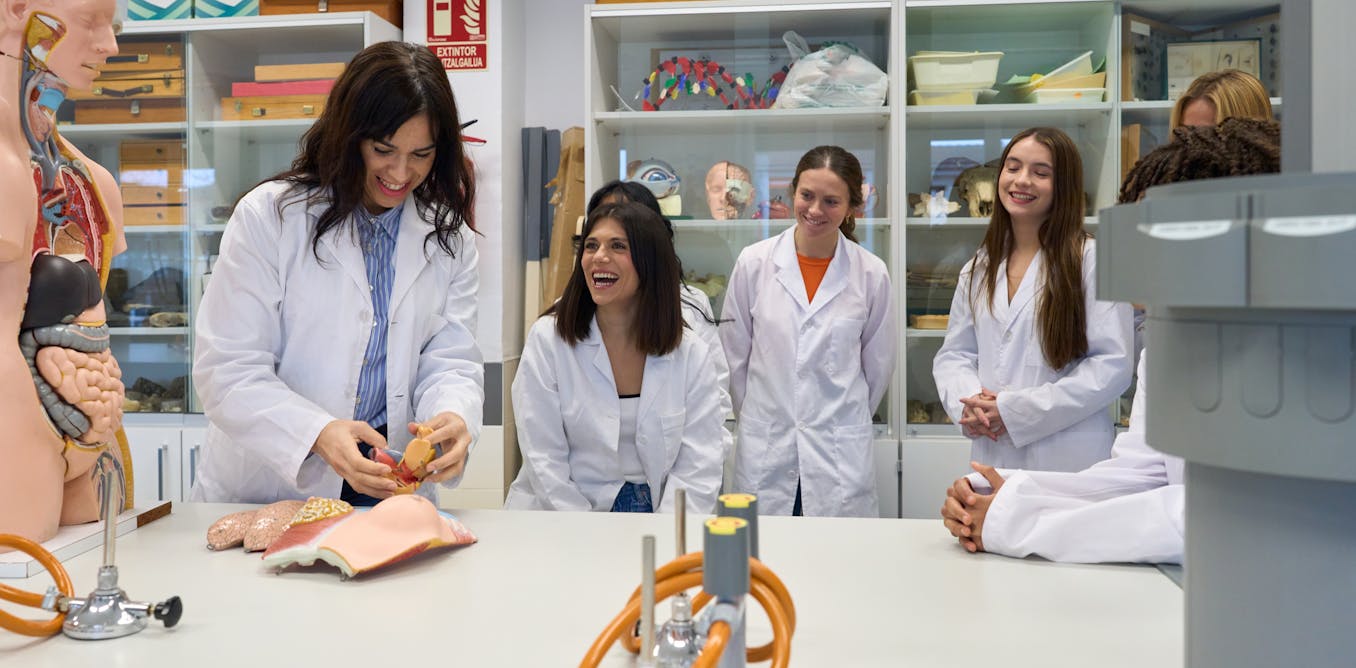
Why anatomy’s naughtiest mnemonics work so well

alvarog1970/Shutterstock.com Some lovers try positions that they can’t handle – I’m referring to the bones of the wrist, of course. The phrase is a classic mnemonic used to remember the eight carpal (wrist) bones – scaphoid, lunate, triquetrum, pisiform, trapezium, trapezoid, capitate and hamate – whose initials form the memorable sentence. One of the most […]

Continue Reading

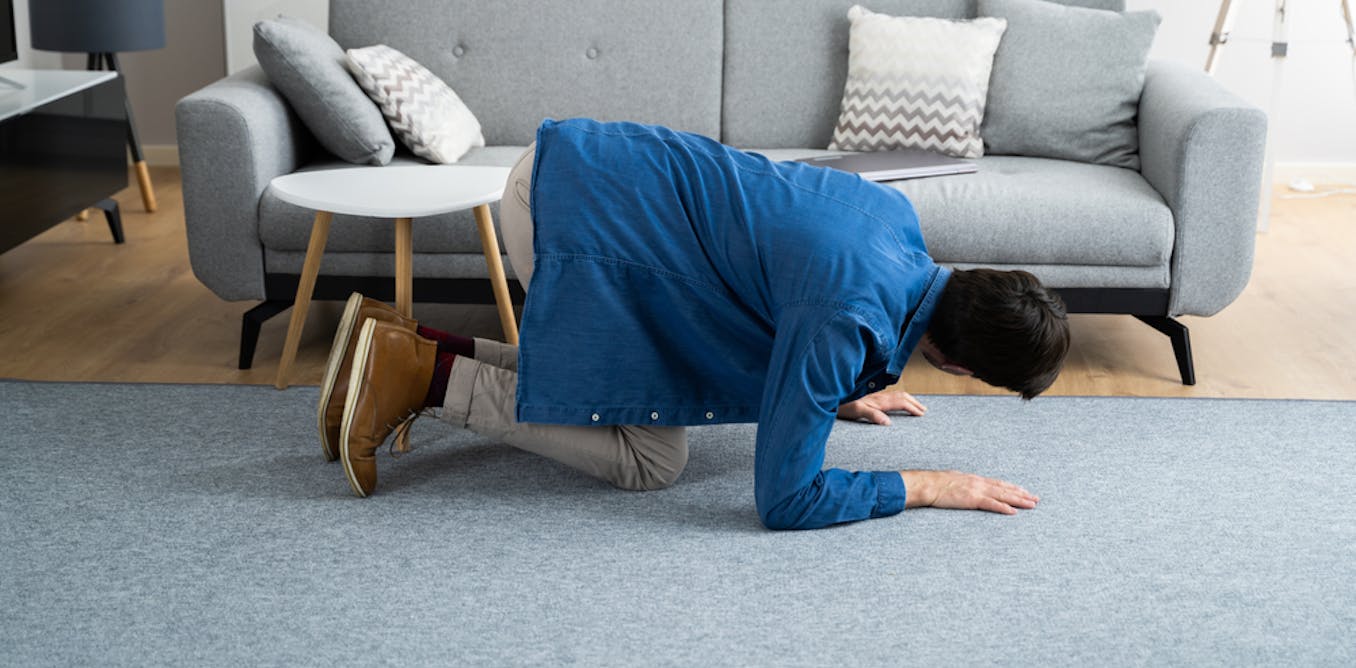
It’s right under your nose – why some people can’t find things in plain sight

Andrey_Popov/Shutterstock.com Many households will recognise this familiar exchange. One person insists an object simply isn’t there: impossible to find despite what they describe as a thorough and highly competent search. Another walks in, glances briefly at the same spot and points to it almost immediately. “It’s right under your nose!” This frustrating (for both sides) […]

Continue Reading

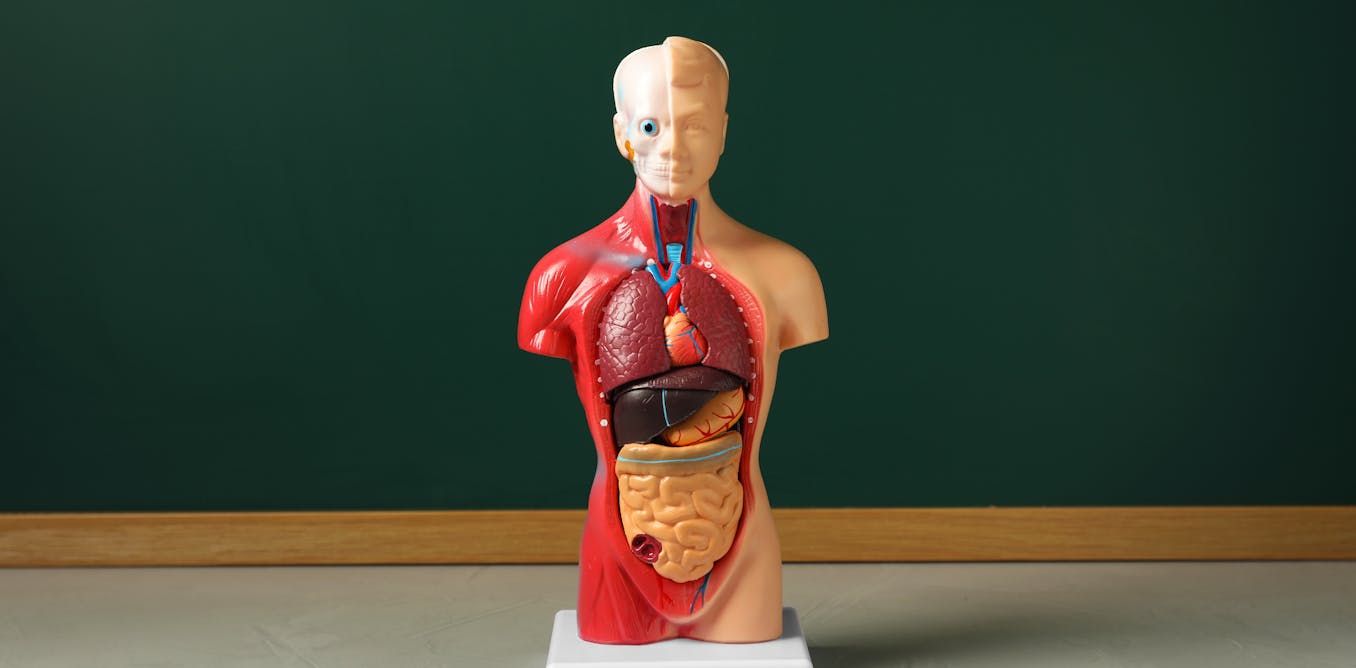
New discoveries are showing how human anatomy is far from settled

New Africa/Shutterstock.com Leaf through a textbook, watch a wellness influencer or listen in at the gym, and it can feel as though the human body has already been mapped to exhaustion. Every muscle named, every nerve traced. Everything understood and readily available. Most people recognise at least a few anatomical terms – “traps”, “glutes”, “biceps”. […]

Continue Reading

Why it’s funnier when you’re not allowed to laugh

michaelheim/Shutterstock.com I don’t think I’ve ever laughed harder than during a church service, when something faintly ridiculous caught my eye. My friend saw it too, and once she started laughing, it became impossible to stop. Years later I’ve tried to explain what was so hilarious, but it seems you had to be there. What was […]

Continue Reading

The truth about energy: why your 40s feel harder than your 20s, but there may be a lift later on

Some of us remember having more energy in our 20s. We could work late, sleep badly, have a night out, recover quickly and still feel capable the next day. By our 40s, that ease has often gone. Fatigue feels harder to shake. It’s tempting to assume this is simply the ageing process – a one‑way […]

Continue Reading

Routine medical procedures can feel harder for women – here’s why

Oksana Shufrych/Shutterstock.com Many women recognise the pattern. A routine procedure takes longer than expected. It’s more uncomfortable than promised. The doctor reassures them that this sometimes happens, or suggests anxiety or muscle tension might be playing a role. But often the explanation is simpler – and anatomical. This mismatch between bodies and procedures isn’t related […]

Continue Reading

Why there’s always room for dessert – an anatomist explains

Rimma Bondarenko/Shutterstock.com You push back from the table after Christmas lunch, full from an excellent feast. You really couldn’t manage another bite – except, perhaps, a little bit of pudding. Somehow, no matter how much you’ve eaten, there always seems to be room for dessert. Why? What is it about something sweet that tempts us […]

Continue Reading

​From head to mistletoe: the curious biology of elves

Roman Samborskyi/Shutterstock.com As Christmas Eve draws near, we’re reminded of the tireless elves behind the scenes, toiling in workshops to bring festive magic to life. Imagine Santa’s elves not as fantasy figures but as highly adapted beings designed for the unique demands of their world. From enhanced resilience to happy hormones and efficient energy production, […]

Continue Reading

could an assembled body ever breathe, bleed or think? Anatomists explain

Frankenstein’s creature is coming back to life – again. As Guillermo del Toro’s new adaptation of Mary Shelley’s gothic masterpiece airs on Netflix, we provide an anatomist’s perspective of her tale of reanimation. Could an assembled body ever breathe, bleed or think? When Shelley wrote Frankenstein in 1818, anatomy was a science on the edge […]

Continue Reading