Keep Pushing: We Get 10 More Days to Reform Section 702

In a dramatic middle-of-the-night stand off, a bipartisan set of lawmakers pushing for true reform and privacy protections for Americans bought us some more time to fight! They are holding out for, at a minimum, the requirement of an actual probable cause warrant for FBI access to information collected under the mass spying program known […]

Continue Reading


The Internet Still Works: Reddit Empowers Community Moderation

Section 230 helps make it possible for online communities to host user speech: from restaurant reviews, to fan fiction, to collaborative encyclopedias. But recent debates about the law often overlook how it works in practice. To mark its 30th anniversary, EFF is interviewing leaders of online platforms about how they handle complaints, moderate content, and […]

Continue Reading

Palantir Has a Human Rights Policy. Its ICE Work Tells a Different Story

For years, EFF has pushed technology companies to make real human rights commitments—and to live up to them. In response to growing evidence that Palantir’s tools help power abusive immigration enforcement by ICE, we sent the company a detailed letter asking how the promises in its own human rights framework extends to that work. This […]

Continue Reading

Copyright and DMCA Best Practices for Fediverse Operators

People building the future of the social web — interoperable and decentralized — need to protect themselves against copyright liability. Like anyone who creates and operates platforms for user-uploaded content, the hosts of the decentralized social web can take preventive measures to reduce their legal exposure when a user posts material that violates someone’s copyright. […]

Continue Reading

EFF Sues DHS and ICE For Records on Subpoenas Seeking to Unmask Online Critics

SAN FRANCISCO – The Electronic Frontier Foundation (EFF) sued the Department of Homeland Security (DHS) and Immigration and Customs Enforcement (ICE) today demanding public records about their use of administrative subpoenas to try to identify their online critics. Court records and news reports show that in the past year, DHS has used administrative subpoenas to […]

Continue Reading

EFF to 9th Circuit (Again): App Stores Shouldn’t Be Liable for Processing Payments for User Content

EFF filed an amicus brief for the second time in the U.S. Court of Appeals for the Ninth Circuit, arguing that allowing cases against the Apple, Google, and Facebook app stores to proceed could lead to greater censorship of users’ online speech. Our brief argues that the app stores should not lose Section 230 immunity […]

Continue Reading

California Coastal Community Must Reject CBP’s AI-Powered Surveillance Tower

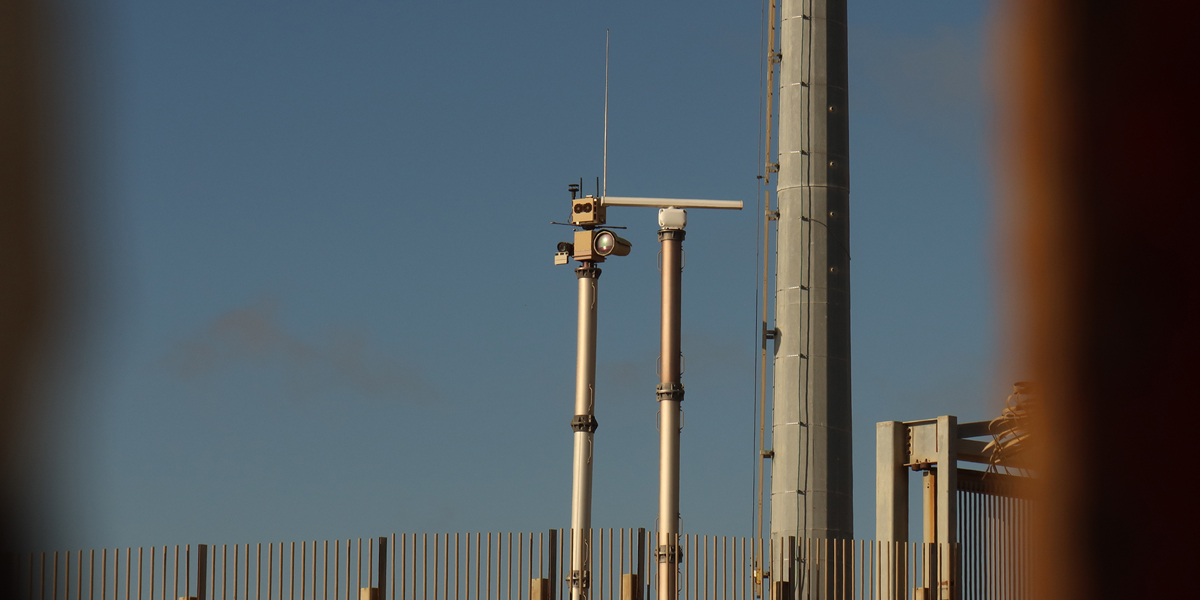
Customs and Border Protection (CBP) is seeking permission from the California city of San Clemente to install an Anduril Industries surveillance tower on a cliff that would allow for constant monitoring of entire coastal neighborhoods.  The proposed tower is Anduril’s Sentry, part of the Autonomous Surveillance Tower (AST) program. While CBP says it will primarily […]

Continue Reading

EFF Challenges Secrecy In Eastern District of Texas Patent Case 

Clinic students Emily Ko and Zoe Lee at the Technology Law and Policy Clinic at the NYU School of Law were the principal authors of this post. Courts are not private forums for business disputes. They are public institutions, and their records belong to the public. But too often, courts forget that and allow for […]

Continue Reading

Act Now to Stop California’s Paternalistic and Privacy-Destroying Social Media Ban

California lawmakers are fast-tracking A.B. 1709—a sweeping bill that would ban anyone under 16 from using social media and force every user, regardless of age, to submit sensitive personal information before accessing social platforms. That means that under A.B. 1709, social media companies will have to enact age gates to prohibit minors from accessing their […]

Continue Reading