IAG strengthens operational innovation with AISmartPlan

Aer Lingus has signed a multi-year agreement with AISmartPlan after a successful IAGi Accelerator trial, using AI-powered maintenance planning to improve efficiency and streamline operational decision-making. Summary: Aer Lingus has signed a multi-year agreement with AI-powered maintenance planning platform AISmartPlan following a successful trial through the IAGi Accelerator programme. The solution automates aircraft maintenance production […]

Continue Reading


We’re Fighting Mass Surveillance Tech—and Winning

EFF is on the front lines of the fight against tech-enabled tyranny, but we aren’t alone. Our team depends on your help to fight back against the surveillance state. JOIN EFF People around the world are pushing back against the mass surveillance that undermines privacy and free expression for everyone. You can help during EFF’s […]

Continue Reading

Welcome New EFF Executive Director Nicole Ozer

EFF welcomes our new Executive Director Nicole Ozer today!  Nicole is a legal expert on privacy and surveillance, artificial intelligence, and digital speech who previously served as the inaugural executive director of the Center for Constitutional Democracy at UC Law San Francisco. From 2004-2025, she was founding director of the Technology and Civil Liberties Program […]

Continue Reading

One Step Forward, Two Steps Back: CA’s AB 1856 Exempts Open Source But Expands Age-Gating

After public outrage, California lawmakers are moving closer to exempting open-source operating systems from the sweeping age-bracketing regime mandated by last year’s Digital Age Assurance Act (AB 1043). Nonetheless, the current bill still jeopardizes internet users’ speech, privacy, and security. While the open source exemption, if passed, would improve the law, the remaining amendments proposed […]

Continue Reading

Digital Hopes, Real Power: The Rise of Network Shutdowns

This is the fourth installment of a blog series reflecting on the global digital legacy of the 2011 Arab uprisings. You can read the rest of the series here. Iran’s internet has been intermittently disrupted for months. After years of bombardment, Gaza’s telecommunications infrastructure remains fragile. In India, recurring shutdowns and throttling have become a routine […]

Continue Reading

EFF Calls on Kuwait to Release Journalist Ahmed Shihab-Eldin

EFF calls on the Kuwaiti government to immediately release journalist Ahmed Shihab-Eldin. An award-winning journalist and television host who worked for Al Jazeera for many years, Shihab-Eldin—a dual American-Kuwaiti citizen—was arrested in Kuwait on March 3 while visiting family. The Committee to Protect Journalists (CPJ) reported yesterday that it is believed he has been charged […]

Continue Reading

How Push Notifications Can Betray Your Privacy (and What to Do About It)

Update April 22, 2026. Apple has reportedly addressed part of the issue with the notification database in iOS 26.4.2 and 18.7.8, released today. With this update, notifications marked for deletion should no longer be stored in the notification database. A phone’s push notifications can contain a significant amount of information about you, your communications, and […]

Continue Reading

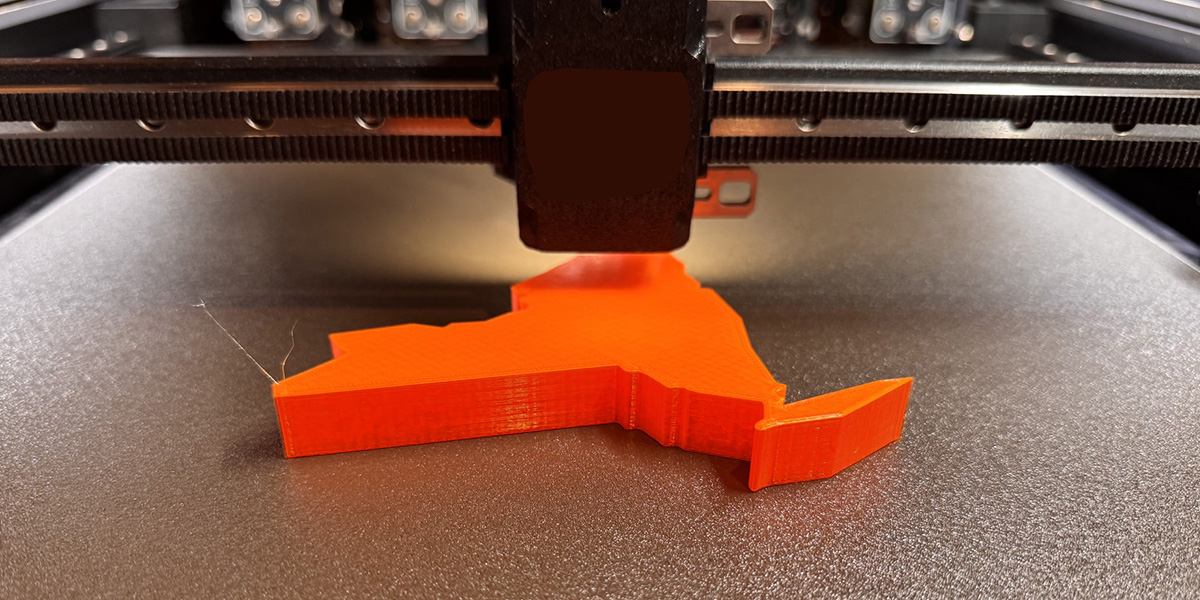
Stop New York’s Attack on 3D Printing

New York’s proposed 2026-2027 budget currently includes provisions that will require all 3D printers sold in the state to run print-blocking censorware—software that surveils every print for forbidden designs. This policy would also create felony charges for possessing or sharing certain design files. The vote on the state budget could happen as early as next […]

Continue Reading

More License Plate Reader Mission Creep: School Residency Verification, Background Checks, and Noise Complaints

An EFF analysis of millions of searches of Flock Safety automated license plate reader (ALPR) data by police has uncovered a troubling pattern: in the absence of a warrant requirement to search ALPR databases, law enforcement agencies have moved beyond specific investigations to use these surveillance networks for virtually any whim. Our findings suggest that […]

Continue Reading