We Must Not Normalize Digital Surveillance Abuses. EFF’s New Guide Underlines Concrete Steps to Fight Back.

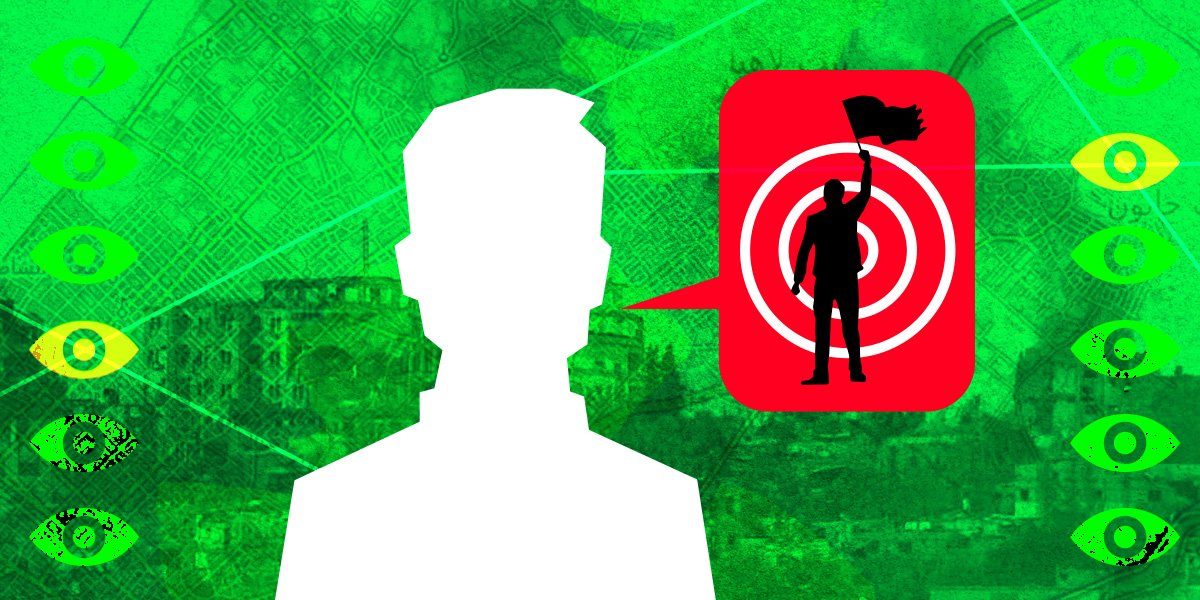
Poor accountability, feeble control mechanisms, and insufficient legal frameworks have led to systematic human rights violations in the Americas, with no consistent remedy or reparation to victims. What’s needed is to materialize essential guarantees and measures to combat repeated surveillance abuses in the region. To help build a path for solutions, EFF launches the guide […]

Continue Reading

We Updated Our Privacy Policy. Here’s What Changed and Why.

We recently updated our privacy policy for the first time since 2022. Most of the changes are clarifications, reorganizations, and improvements in transparency, particularly around how third-party tools that run parts of our site operate. But one change is substantive enough that we want to address it directly. The Change You Should Know About: Opt-In […]

Continue Reading

The Open Social Web Needs Section 230 to Survive

If you want to overthrow Big Tech, you’ll need Section 230. The paradigm shift being built with the Open Social Web can put communities back in control of social media infrastructure, and finally end our dependency on enshitified corporate giants. But while these incumbents can overcome multimillion-dollar lawsuits, the small host revolution could be picked […]

Continue Reading

Former EFF Activism Director’s New Book, Transaction Denied, Explores What Happens When Financial Companies Act like Censors

A U.S. citizen who teaches Persian poetry classes online is suddenly unable to receive payments or access funds when his account is flagged and frozen by Paypal and its subsidiary Venmo. A Muslim city councilwoman in New York City has a Venmo payment blocked because she uses the name of a Bangladeshi restaurant in the […]

Continue Reading

EFF Submission to UN Report on the Role of Media in the Context of Israel’s Policies Toward Palestinians

The UN Special Rapporteur on the situation of human rights in the Palestinian territories occupied since 1967 recently announced a study addressing the killings and attacks against Palestinian journalists and media workers, the destruction of media infrastructure in Gaza, and the production and dissemination of narratives that may enable, justify, or incite international crimes.  As part of […]

Continue Reading

Utah’s New Law Targeting VPNs Goes Into Effect May 6th

Update, May 11, 2026: Utah has agreed to not enforce the VPN law until Sept. 3, 2026 after Aylo, the parent company of Pornub.com, challenged the law in court. For the last couple of years, we’ve watched the same predictable cycle play out across the globe: a state (or country) passes a clunky age-verification mandate, […]

Continue Reading

A Bridge to Somewhere: How to Link Your Mastodon, Bluesky, or Other Federated Accounts

One of the central promises of open social media services is interoperability—the idea that wherever you personally decide to post doesn’t require others to be there just to follow what you have to say. Think of it like a radio broadcast: you want to reach people and don’t care where they are or what device […]

Continue Reading

Getting Digital Fairness Right: EFF’s Recommendations for the EU’s Digital Fairness Act

Digital Fairness in the EU The next few years will be decisive for EU digital policymaking. With major laws like the Digital Services Act, the Digital Markets Act, and the AI Act now in place, the EU is entering an enforcement era that will show whether these rules are rights-respecting or drift toward overreach and […]

Continue Reading

EFF Submission to UK Consultation on Digital ID

Last September, the United Kingdom’s Prime Minister Keir Starmer announced plans to introduce a new digital ID scheme in the country. The scheme aims to make it easier for people to prove their identities by creating a virtual ID on personal devices with information like names, date of birth, nationality or residency status, and a […]

Continue Reading

EFF Stands in Solidarity With RightsCon and the Global Digital Rights Community

When governments shut down spaces for dialogue, dissent, and collective organizing, the damage extends far beyond a single event. The abrupt cancellation of RightsCon 2026—the world’s largest annual global digital rights conference—is not just a logistical disruption for thousands of researchers, journalists, technologists, and activists—it is part of a growing global pattern of shrinking civic […]

Continue Reading