That’s the headline stemming from a new report from the UN health agency highlighting stark inequalities in cancer survival between high and low-income countries.
Ten million deaths a year
The Global Status Report on Cancer 2026, produced with the International Agency for Research on Cancer – the IARC, a specialised WHO agency – outlines that cancer already causes more than 26,000 deaths every day, with an estimated 20.6 million new cases and nearly 10 million deaths annually, making it the world’s second leading cause of death after cardiovascular disease.
The report warns that while progress has been made in tobacco control, vaccination and cancer prevention, millions of people continue to face major inequalities in access to life-saving care.
“Cancer is a deeply personal disease that touches nearly all of us. But whether a person survives cancer should never depend on where they were born or what they earn,” said WHO Director-General Dr Tedros Adhanom Ghebreyesus said, adding that “the inequities documented in this report are not inevitable; they are the consequence of choices, and they can be reversed through stronger and unified action.”
Stark inequalities
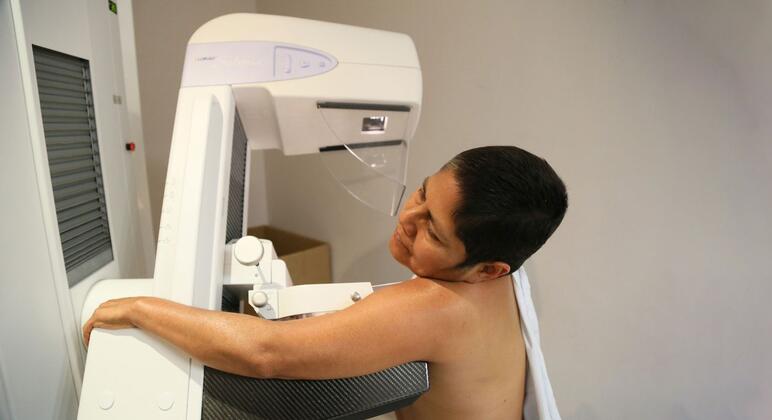
According to the report, survival rates differ sharply between rich and poor countries. While 87 per cent of women diagnosed with breast cancer survive for at least five years in high-income countries, the figure falls to around 42 per cent in low-income countries.
Fewer than one in three countries currently include cancer care within their universal health coverage packages, leaving many patients without access to essential diagnosis, treatment or supportive care.
WHO also highlighted the heavy social and economic burden of the disease. Its first global survey of people affected by cancer found that:
- at least 45 per cent experience financial hardship
- more than half report mental health challenges
- almost all caregivers face significant pressures, including unpaid care responsibilities and social isolation.
Continental variations
In 2024, Asia accounted for more than half of all cancer cases and deaths, reflecting its large population.
Europe, with only around nine per cent of the global population, recorded 21 per cent of cancer cases and 20 per cent of deaths, giving it a disproportionately high burden.
Meanwhile, many countries in Africa and parts of Asia continue to experience lower incidence rates but significantly higher mortality.
Lung cancer most deadly
Lung cancer remains the leading cause of cancer death worldwide. Among men, lung, prostate and colorectal cancers are the most common, while breast, lung and colorectal cancers account for a large share of cases among women.
In 2024, there were an estimated 2.4 million women diagnosed with breast cancer and 694,000 deaths globally. Breast cancer occurs in every country of the world in women at any age after puberty but with increasing rates in later life.
Prevention remains key
WHO estimates that nearly four in 10 cancer cases are linked to preventable risk factors, including tobacco use, alcohol consumption, obesity, physical inactivity, unhealthy diets and infections such as human papillomavirus (HPV) and hepatitis B and C.
A health worker immunizes a girl with the HPV vaccine in Lagos, Nigeria, as part of Africa’s largest vaccination campaign.
The agency underlined the need for prevention efforts that keep pace with emerging risks.
“While we are seeing reductions in some cancer rates in countries that have implemented prevention policies, progress has been too slow,” Dr Elisabete Weiderpass, Director of IARC, said.
“The cancer profile is evolving, increasingly driven by rising rates of obesity, physical inactivity, unhealthy diets and air pollution. Cancer prevention must remain a political priority.”
Progress and persistent gaps
The report points to several important achievements over the past decade including decline in global tobacco use, vaccination programmes, and stronger political commitment.
82 per cent of countries are now reporting national cancer control plans, compared with 50 per cent in 2010. Scientific research has also accelerated, however access to essential medicines remains deeply unequal.
Availability of the 20 priority cancer medicines ranges from just 9 to 54 per cent in low and lower-middle-income countries, compared with 68 to 94 per cent in high-income countries.
Put people first
WHO said cancer control must move beyond medical treatment alone by placing people living with the disease and their families at the centre of health systems.
“Cancer is not just a medical diagnosis – it profoundly, indefinitely affects every aspect of a person’s life, and their family’s as well,” said Clarissa Schilstra, a childhood cancer survivor who helped lead WHO’s global survey.
She urged policymakers to work more closely with people who have lived experience of cancer to design more equitable and effective health policies.