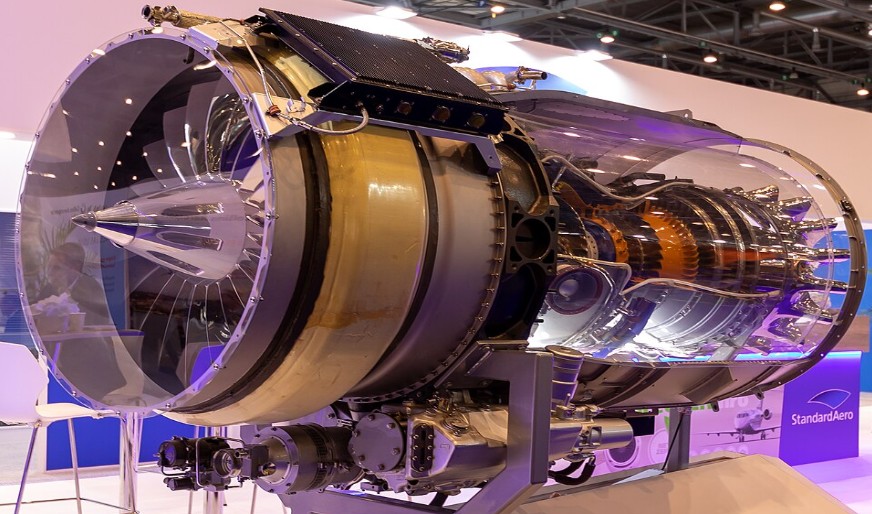
SAN FRANCISCO — Faced with multi-year delays to connect to traditional electricity grids, artificial intelligence developers are adopting an unconventional energy solution: converting retired commercial jet engines into stationary power generators.
As massive data centers hosting advanced AI models demand unprecedented levels of continuous power, operators are increasingly prioritizing “speed to power” by deploying repurposed aeroderivative gas turbines to bring facilities online years ahead of standard utility timelines.
The Interconnection Bottleneck
The surging demand for high-performance computing clusters has created a severe supply mismatch between data center construction speeds and utility grid expansion timelines.
Data Center Power Timelines: Grid vs. Onsite Generation
+-------------------------------------------------------------------------+
| UTILITY GRID INTERCONNECTION (Northern Virginia / US East)              |
| * Average Wait Time: 5 to 7 years                                       |
| * Key Obstacles: Transmission upgrades, transformer shortages, regulatory |
|   interconnection queues, and local grid capacity limits.                |
+-------------------------------------------------------------------------+
| CONVERTED AERODERATIVE JET ENGINE GENERATORS                            |
| * Average Deployment Time: 18 to 24 months                              |
| * Operational Model: Behind-the-meter natural gas generation            |
| * Key Advantage: Provides multi-tens-of-megawatt capacity fast          |
+-------------------------------------------------------------------------+
While constructing a modern data center shell often takes 18 to 24 months, connecting a 100-megawatt facility to regional power grids in major tech hubs—such as Northern Virginia—can stretch up to seven years. Consequently, tech firms are choosing onsite generation as a “bridge power” solution to begin revenue-generating AI operations without waiting for long-term transmission builds.
Repurposing Aviation Hardware into Stationary Turbines
The technology leverages retired turbofan engines—such as the General Electric CF6 series historically used on Boeing 747 and 767 widebody airliners. Specialized energy engineering firms remove the flight hardware, rebuild the engine cores, and modify the combustion systems to burn natural gas instead of jet fuel.
Aeroderivative Gas Turbine Deployment Metrics
+-------------------------------------------------------------------------+
| BASE ENGINE MODELS: Recycled commercial turbofans (e.g., GE CF6-80C2)    |
| PRIMARY FUEL SOURCE: Pipeline Natural Gas (with optional liquid backup)  |
| SINGLE-UNIT CAPACITY: ~40 MW to 60 MW per turbine generator module      |
| POWER DENSITY: High megawatt output within a compact footprint          |
| RAMP SPEED: Reaches full operational load within minutes                |
| INTENDED LIFESPAN: 5 to 7 years as primary power before shift to backup  |
+-------------------------------------------------------------------------+
Unlike heavy industrial gas turbines that require permanent concrete foundations and multi-year construction schedules, modular aeroderivative turbines can be delivered in trailerized packages, enabling rapid installation and flexible expansion.
Two-Sided Perspectives on Repurposed Jet Engine Power
The adoption of aircraft engine generators for computing infrastructure has ignited debate among tech executives, environmental advocates, and grid planners.
Perspectives on Onsite Aeroderivative Power Generation
+-------------------------------------------------------------------------+
| DATA CENTER OPERATORS & AI DEVELOPERS                                   |
| * Accelerates time-to-market by up to five years, securing a key        |
|   competitive edge in high-stakes AI infrastructure expansion.          |
| * Delivers reliable, continuous baseload power independent of local      |
|   utility grid constraints or outages.                                  |
+-------------------------------------------------------------------------+
| ENVIRONMENTAL MONITORS & COMMUNITY ADVOCATES                            |
| * Raises air quality concerns, as converted engines emit higher local   |
|   pollutants (NOx) and carbon emissions per MW than modern plants.     |
| * Increases localized noise levels and relies heavily on fossil fuel    |
|   pipelines, conflicting with corporate net-zero carbon pledges.        |
+-------------------------------------------------------------------------+
Industry Operators Prioritize Speed and Independence
Technology firms emphasize that behind-the-meter generation provides crucial operational independence. By deploying onsite aeroderivative units, developers can energize Phase 1 computing clusters rapidly, generating early revenue while utility interconnections catch up. Furthermore, operators note that these turbines can eventually transition into emergency backup units once permanent clean grid power becomes available.
Environmental Groups Point to Emissions and Efficiency Tradeoffs
Conversely, energy analysts and environmental organizations highlight significant ecological drawbacks. Repurposed jet turbines were originally engineered for weight-sensitive flight performance rather than maximum stationary fuel efficiency. As a result, operating them continuously produces higher carbon dioxide and nitrogen oxide (NOx) emissions per megawatt-hour compared to modern, ground-built combined-cycle power plants, prompting regulatory scrutiny and air-permitting challenges in several jurisdictions.
Market Outlook
As global data center electricity consumption is projected to nearly double by 2030, aeroderivative jet turbines are expected to play a prominent role in interim energy strategies across North America and Europe. Industry observers expect developers to increasingly combine these rapid-start gas units with large-scale battery storage to balance emissions profiles while meeting the AI sector’s expanding power needs.
Image – Honeywell Jet Engine on display at EBACE, Picture on Flickr by Matti Blume