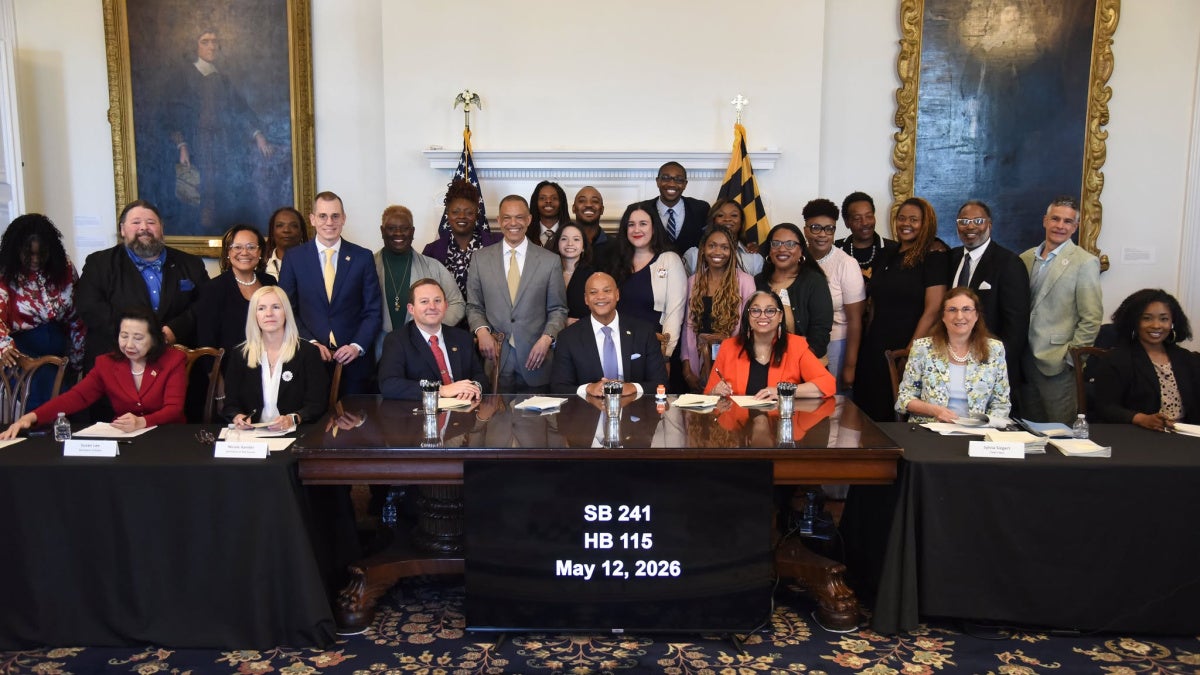
In recent weeks, several states have taken steps towards restoring the voting rights of people with felony convictions. Governor Wes Moore of Maryland signed on May 12 HB 115 and SB 241, legislation that will automatically register people to vote following the completion of their felony sentence. Similarly, the Missouri legislature passed on May 28 HB 1871, a bill that will restore voting rights for some individuals completing felony parole or probation. That bill awaits Governor Mike Kehoe’s signature.
These are strides forward on an issue impacting 4.4 million Americans, the overwhelming majority of whom are Black or Latino. But significant work remains to extend the right to vote to all, regardless of their encounters with the criminal legal system.
In the United States, felony disenfranchisement laws serve among other things as relics of a past defined by racial hierarchy. After the collapse of Reconstruction, white supremacist groups’ terror campaigns, and policies aimed at excluding Black voters, rose in tandem. States implemented poll taxes, grandfather clauses, and literacy tests at the same time the modern-day US prison system was growing due to Black Codes, laws that targeted newly freed Black Americans. These policies, including felony disenfranchisement, have been credited with making way for Jim Crow, a legal order based on white supremacy that was akin to a caste system and lasted nearly a century in some states. While the nearly-destroyed 1965 Voting Rights Act outlawed many of these suppressive policies, the disenfranchisement of those with felony convictions remains law in 48 states.
Today, 1 in 22 Black Americans of voting age is disenfranchised, according to The Sentencing Project. The numbers are even worse in former slave-holding states: In Florida, nearly one million residents are disenfranchised—the largest disenfranchised population in the United States. In Tennessee, a state that recently made headlines for eliminating its only majority-Black congressional district, nearly 1 in 5 Black Americans cannot vote due to felony convictions.
Access to the ballot is a human right and foundational to a functioning democracy. While the recent victories in Missouri and Maryland represent a step in the right direction, all states which have felony disenfranchisement laws should reverse them and ensure that every American has the right to vote.