The US Supreme Court paused on Monday an order by the country’s Fifth Circuit Court of Appeals that had inflicted a serious blow to abortion access nationwide. While the immediate danger was temporarily halted, the episode underscores a looming threat to abortion access posed by ongoing litigation in the United States.
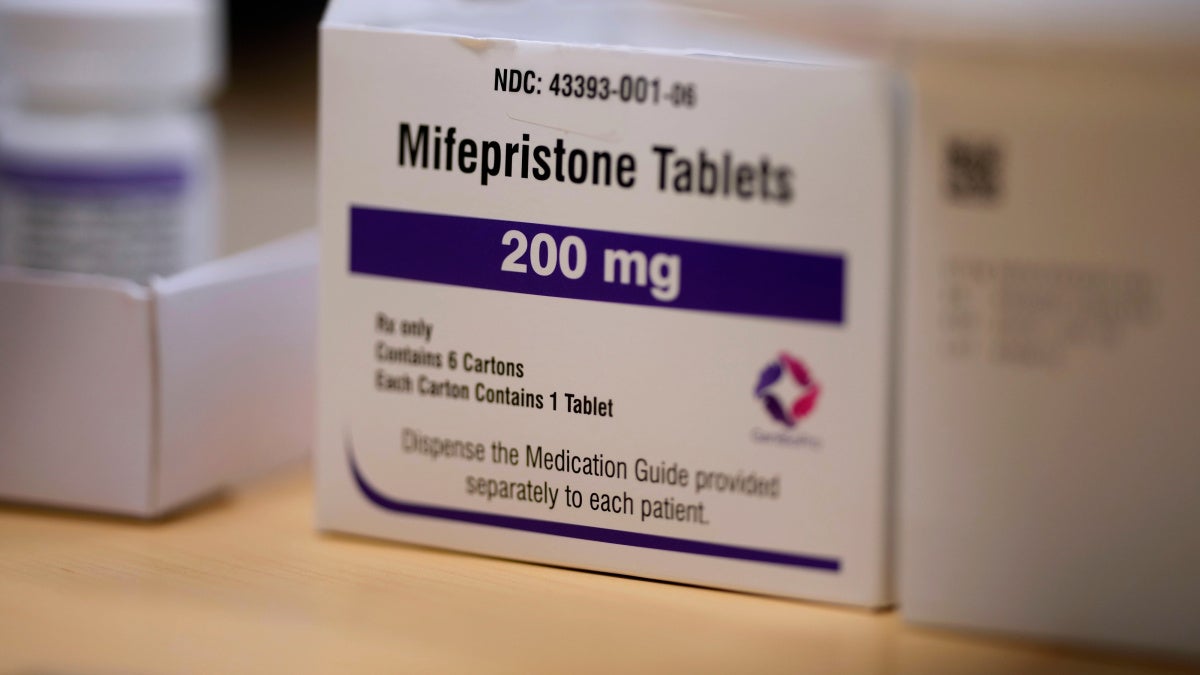
On May 1, the Fifth Circuit Court ruled that abortion providers could not remotely prescribe mifepristone and mail it to patients until a lawsuit brought by the state of Louisiana is resolved. Mifepristone is a safe and effective medication widely used for abortion and miscarriage care which has been available via telehealth and mail in the United States since 2023. Providers briefly halted the shipment of medication until the Supreme Court intervened on Monday. The high court reinstated telehealth access to the medication until May 11, with plans to provide further guidance by that date.
Since the Supreme Court overturned the right to abortion in 2023, requests for abortion care via telehealth have doubled. A 2026 report by the Guttmacher Institute found people in states with abortion bans increasingly access abortions via telehealth, often from providers based in other states with shield laws protecting those who assist with abortion services.
Women in the United States already face real health consequences, including preventable deaths, due to abortion care being denied or delayed. Ending telehealth provision would greatly worsen this crisis, especially for women and girls with limited financial resources, or with disabilities, and those living in states with abortion bans or in rural areas.
Louisiana, 1 of 13 US states with a complete abortion ban, brought the case against the Food and Drug Administration (FDA), arguing that allowing mifepristone to be mailed undermined the state’s ban. A district court had paused the case in April pending an FDA review.
Meanwhile, five additional states are pursuing two separate federal lawsuits challenging the use of mifepristone, despite more than two decades of safe use in the United States and nearly 100 other countries.
The lower court ruling was a serious setback for reproductive rights in the United States; another blow in an ongoing series of attacks on autonomy and access to essential healthcare. The question of how much further reproductive rights will be rolled back in the Unites States is now before the courts.