GENEVA — Severe financial cuts are pushing global refugee protection and relief networks toward total collapse, threatening to strip nearly 8.3 million forcibly displaced and stateless individuals of essential life-saving aid. According to a report titled Protection Eroded: The Human Cost of Underfunding, published by UNHCR (the UN Refugee Agency), shrinking donor contributions have forced deep operational reductions across major global displacement crises.
Financial data released by the agency reveals that available funding dropped from $5.2 billion in 2024 to $3.9 billion in 2025. By late July 2026, UNHCR had received just 32% of its $8.5 billion annual operating budget, even as total global displacement remains at historic highs.
Severe Cuts Threaten Key Protection Networks
               KEY GLOBAL IMPACTS OF REFUGEE AID SHORTFALLS

  CHAD          • 319,000 refugees face severe documentation & registration delays
                • 200,000 women & girls at risk of losing access to safe spaces
                • 233,000 children lose specialized protection services

  ETHIOPIA      • Safe house capacity for GBV survivors cut by more than 50%
                • Child protection coverage drops by up to 85% in key areas

  SUDAN         • Critical protection cut for tens of thousands of children & GBV survivors

  AFGHANISTAN   • Reintegration grants provided to only 175 households in 2026
                  (down from 5,300 households supported in 2024)
Humanitarian leadership warned that financial shortfalls do not merely shrink the reach of aid—they risk destroying essential protection infrastructure:
“When registration stops, safe houses close, or child protection services disappear, the very risks that people fled—violence, exploitation, and abuse—reappear in displacement,” said Dominique Hyde, UNHCR’s Director of External Relations. “Protection cannot be reduced indefinitely without systems collapsing. Below a certain threshold, services do not simply reach fewer people; they can stop functioning altogether.”
- Documentation and Legal Risks: In Chad, 319,000 refugees face registration backlogs, leaving them without official legal status and exposed to arbitrary detention.
- Gender-Based Violence (GBV) and Child Welfare: Safe house shelter capacity for GBV survivors in Ethiopia has declined by over 50%, while child protection coverage in some regions has fallen by 85%. In Sudan, emergency protection programs for thousands of at-risk children and survivors of sexual violence face suspension.
Economic Self-Reliance and Returnee Integration Stalled
The funding crisis is also dismantling long-term programs designed to transition refugees away from direct aid dependency toward local economic self-sufficiency:
- Livelihood Programs Halted: Approximately 395,000 refugees and host-community members in Chad, along with 350,000 in Iraq, face the loss of vocational training, small business development, and formal job inclusion initiatives.
- Support for Returnees Reduced: In Syria, 162,500 vulnerable internally displaced persons (IDPs) and returning refugees face the complete loss of initial cash assistance. In Afghanistan, where over a million people returned in 2026 alone, formal reintegration grants reached only 175 households this year—down from 5,300 households assisted in 2024.
Operational Constraints and Earmarked Funding
The humanitarian crisis is further compounded by a sharp reduction in flexible, unearmarked funding. Between 2022 and 2026, the proportion of UNHCR’s budget strictly tied by donors to specific projects grew from 19% to 51%.
| Financial Metric | 2022 | 2024 | 2025 | 2026 (Target / Current) |
| Total Available Funding | — | $5.2 Billion | $3.9 Billion | $2.72 Billion (32% of target as of July) |
| Annual Budget Target | — | — | — | $8.5 Billion |
| Earmarked (Restricted) Funding Share | 19% | — | — | 51% |
UNHCR is calling on international donors and member states to urgently deliver unearmarked financial contributions to keep essential protection infrastructure operational and prevent millions of displaced people from suffering further harm.
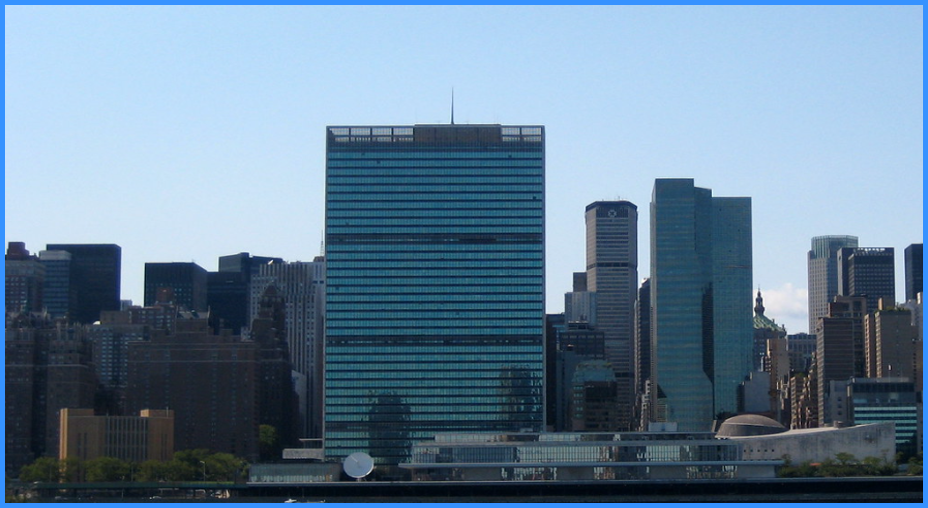
The-United-Nations-Hq-NYC-by-Wally-Gobetz