(Bangkok) – Thai authorities should halt the imminent deportation of 26 ethnic Karen villagers from Phetchaburi province to Myanmar and release them from immigration detention, Human Rights Watch said today.
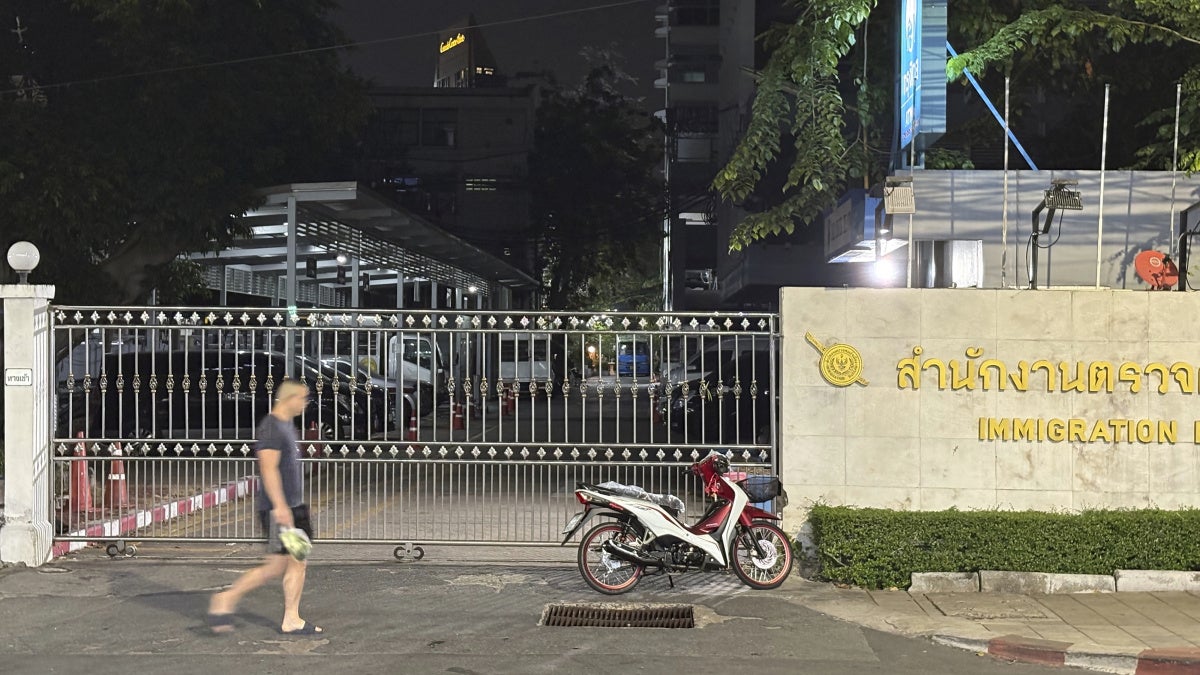
On August 10, 2026, district and forestry officials along with the Thai military raided the Karen community in Ban Pa Deng village in Phetchaburi province’s Kaeng Krachan National Park, targeting those without proof of Thai citizenship. The authorities arrested twenty-eight villagers, including eight children and two pregnant women, and placed them in the custody of the Phetchaburi provincial immigration office. Two villagers were later released after local officials verified their residence registration records. The immigration office then transferred the remaining 26 villagers to the Suan Phlu Immigration Detention Center in Bangkok to prosecute them on immigration charges and deport them to Myanmar.
“Deporting ethnic Karen villagers to Myanmar would put them at risk of grave danger,” said Elaine Pearson, Asia director at Human Rights Watch. “Thai authorities should work with the community to ensure access to their ancestral lands for their livelihood.”
Since the February 2021 coup, Myanmar’s military junta has carried out a nationwide campaign of mass killings, torture, arbitrary arrests, and unlawful attacks that amount to crimes against humanity and war crimes. More than two million people have been internally displaced and over 100,000 refugees have fled to neighboring countries.
In the face of recent escalating fighting in Myanmar, Thai authorities have summarily determined that undocumented Karen in the Kaeng Krachan National Park, including local villagers, are “illegal immigrants,” community leaders told Human Rights Watch. Such classification means they are vulnerable to arrest and deportation to Myanmar. Residents of Ban Pa Deng village said that at least 10 villagers remain unaccounted for after Thai authorities deported them to Myanmar about two months ago.
Deporting the 26 Karen villagers to Myanmar could violate Thailand’s obligations as a party to the United Nations Convention against Torture and Other Cruel, Inhuman or Degrading Treatment or Punishment as well as the customary international law principle prohibiting refoulement, the forcible return of anyone to a place where they would face a genuine risk of persecution, torture or other ill-treatment, or a threat to their life. In addition, Thailand’s Prevention and Suppression of Torture and Enforced Disappearance Act prohibits deportation when there is a substantial risk of torture or ill-treatment.
Ethnic Karen people have lived in both Thailand and Myanmar for generations, including in the jungle in Phetchaburi and Prachuap Khiri Khan provinces, long before the establishment of the Kaeng Krachan National Park. Hundreds of thousands of Karen in Thailand have colored identification cards, meaning they are a recognized hilltribe group in Thailand, but others who arrived in Thailand more recently have no legal status. Karen frequently travel between their communities across the Thailand-Myanmar border, Human Rights Watch said.
In 2021, the UNESCO World Heritage Committee placed the Kaeng Krachan Forest Complex on the World Heritage List, leading the Thai authorities to prohibit human settlement, including of Karen people, in the Kaeng Krachan National Park. This decision was made despite concerns raised by UN human rights experts, the National Human Rights Commission of Thailand, and Indigenous groups about the ancestral land rights of ethnic Karen.
The UN Declaration on the Rights of Indigenous People, a nonbinding international instrument, provides in article 26(2) that “Indigenous peoples have the right to own, use, develop and control the lands, territories and resources that they possess by reason of traditional ownership or other traditional occupation or use.” The UN human rights experts raised the lack of “good faith consultations with the [Karen] community allowing them to participate in the UNESCO nomination process.”
Over the past three decades, Thai authorities have pressured Karen villagers to leave their homes in the Kaeng Krachan National Park, at times violently, including by raiding their villages, burning their farms and properties, and forcibly relocating them. The relocation sites set up by Thai authorities for the Karen are inadequate and unsuitable for their traditional farming, Human Rights Watch said. In August 2022, Kaeng Krahan National Park officials were indicted in relation to the enforced disappearance of the Karen leader and human rights defender Ban Pa Deng Porlajee “Billy” Rakchongcharoen in April 2014. In September 2023, they were acquitted of murder based on lack of evidence.
“Ahead of the UN Human Rights Council’s review of Thailand’s human rights record in November, the Thai government should immediately end its abusive treatment of ethnic Karen in the Kaeng Krachan National Park,” Pearson said. “Concerned governments and UN agencies should press the Thai government to ensure that the fundamental rights of Karen are respected and protected.”