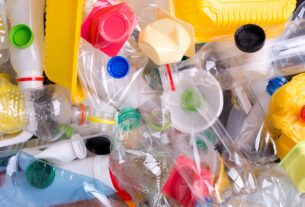
Modern life exposes us to a wide range of substances. While most exposures occur at low levels, researchers like me are increasingly interested in the potential cumulative effects of certain chemicals. These include synthetic compounds, indoor air pollutants and microplastics, which can disrupt our hormone and developmental systems. Scientists are still investigating the combined effects of different chemicals and the cumulative health effects they can have over time.
Consequently, many experts recommend a precautionary approach where practical and achievable. So when a chemical ingredient presents a plausible risk of serious harm, protective measures may be justified even before definitive scientific proof of harm is established.
Pollution is often perceived as “out there”. Yet the indoor environment allows more opportunities to lower exposure to chemicals that are associated within an array of diseases and conditions. These include cancer, diabetes, obesity, neurodivergence and heart disease.
Many chemicals found in household products have been identified as endocrine-disrupting chemicals, and research continues to investigate their potential effects on reproductive health, development and early-onset menopause. So if you are trying to conceive, undergoing fertility treatment, pregnant, going through perimenopause or breastfeeding, these guidelines may be particularly relevant.
The term “detox” tends to be associated with restrictive diets, expensive supplements and wellness trends that promise to cleanse the body of toxic substances. But rather than focusing on dramatic detox interventions, it’s possible to reduce unnecessary exposure to environmental contaminants by following a few simple and proven steps. Reducing environmental exposures does not require major lifestyle changes. Small, everyday habits can help create a healthier home environment.
1. Open windows
Open your windows every day, unless they face a busy road. Good ventilation can help reduce the build-up of indoor air pollutants.
2. Wash fresh produce
Wash fruit and vegetables thoroughly, especially conventionally grown produce. Rinse fresh produce with water or soak it briefly in a dilution of bicarbonate of soda to remove some pesticide residues on the surface.
3. Use mild cleaning products
Chemical cleaning products such as bleach or disinfectant were created for environments where sensitive procedures take place, such as hospitals – not our homes. Always wear gloves, open a window, and avoid breathing in the fumes directly as some cleaning products can irritate the skin, eyes, and respiratory system. Where appropriate, consider using milder alternatives or water-based cleaning solutions such as vinegar on greasy surfaces.
4. Avoid synthetic fragrances
Many synthetic fragrances, including air fresheners, plug-ins, fabric softeners, and deodorising sprays, contain chemicals such as parabens and phthalates. Studies have raised concerns about the potential health effects of long-term exposure to certain fragrance ingredients, particularly in enclosed spaces such as cars.
5. Cut down on plastics
Microplastics are well researched as causing health damage. Reduce your exposure by replacing plastic chopping boards with oiled wooden ones where practical. Buying loose fresh produce without plastic packaging also helps reduce the risk of exposure to microplastics.
6. Dust with damp cloth
Household dust can contain a mixture of particles, allergens, and environmental contaminants, simply use a damp cloth to dust regularly. A 2025 study also found that participants who vacuumed regularly reduced the accumulation of dust and other indoor pollutants.
7. Streamline your beauty routine
Consider whether a complex, multi-step beauty routine is necessary. Personal care products can contain a wide range of synthetic and toxic ingredients, and some people may benefit from simplifying their routine, particularly if they experience skin irritation or sensitivity. Coconut oil can be used as an alternative to cleanser and moisturiser, for example.
8. Cook with care
When cooking, always switch on your cooker extractor fan, or open a window. Cooking can release particles and gases that may affect indoor air quality.
9. Store in jam jars
Avoid recycled plastics to store food as they are less regulated, especially black plastics which are commonly made from electrical waste, consequently containing chemicals that should not encounter our food, such as flame retardants. Use metal, ceramic or glass containers where possible.
Read more:
Can’t face running? Have a hot bath or a sauna – research shows they offer some similar benefits
10. Help your body detox
Regular exercise and activities that promote sweating, such as sauna use, may also support some of the body’s natural processes for eliminating toxic chemicals.
Overall, try to be mindful of what you breathe in, apply to your skin, and consume. To help consumers choose lower-toxicity products, apps such as Detox Me and Think Dirty can be useful resources. Less is more: use fewer products, simplify your routine and be mindful of what you bring into your home. Often reducing unnecessary products can help “cleanse” your wallet, the environment and your body.

Becky Underwood does not work for, consult, own shares in or receive funding from any company or organisation that would benefit from this article, and has disclosed no relevant affiliations beyond their academic appointment.