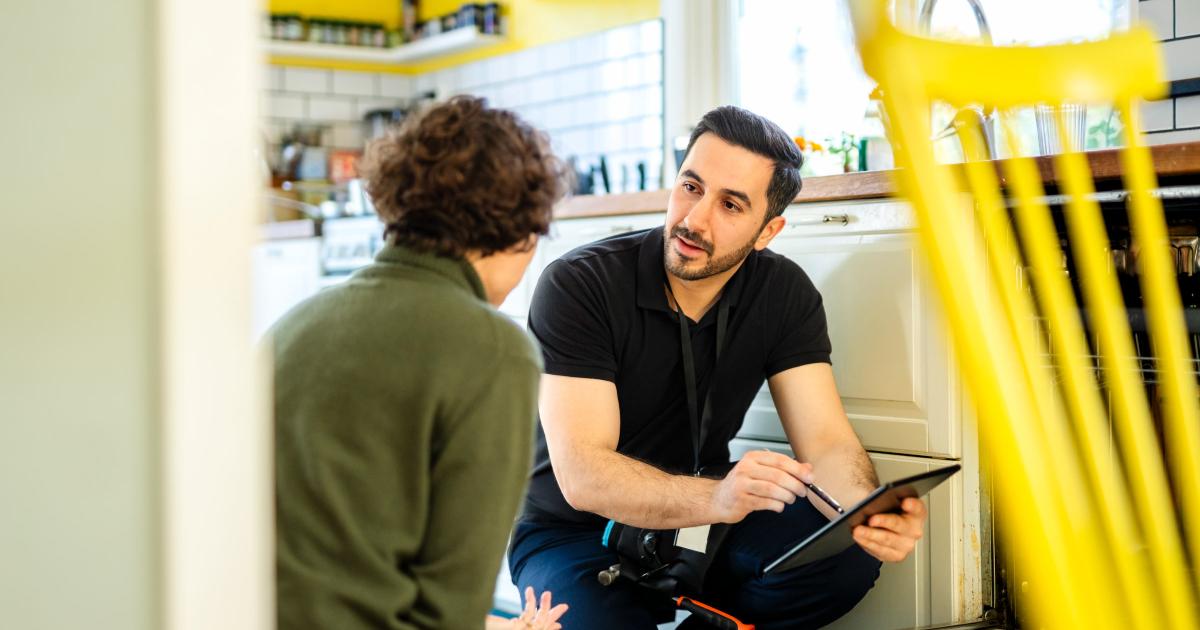
For many years, it made more sense for people to dispose of a broken or defective product and replace it with a new one, than to have it repaired. This generated a substantial amount of waste and unnecessary resource consumption.
This will change, starting on 31 July 2026, when it will be possible to extend the lifecycle of products and create a system that favours repairing a product over purchasing a new one. This will apply to household and electronic products such as washing machines, vacuum cleaners, mobile phones, tablets and so on.
These new rules will result in savings for consumers, boost the circular economy and support the objectives of sustainable consumption. Concretely, they will, among other things,
- provide consumers with the right to request that manufacturers repair products that are technically repairable under EU law. Moreover, the repair must be done within a reasonable time – unless the service is free – and at a reasonable price, to encourage repairs.
- extend by at least 12 months the legal guarantee of the product, when the consumer chooses to repair a product rather than replace it within the liability period
- require manufacturers to provide easily accessible information about repair services, as well as access to spare parts at a reasonable price
It is expected that these new rules will generate €4.8billion in growth and investment in the EU.
A new online European repair platform, which should become operational in 2027 will allow consumers more easily to find suitable repairers. The platform will have sections for each EU country.
For more information
Sustainable consumption in the EU