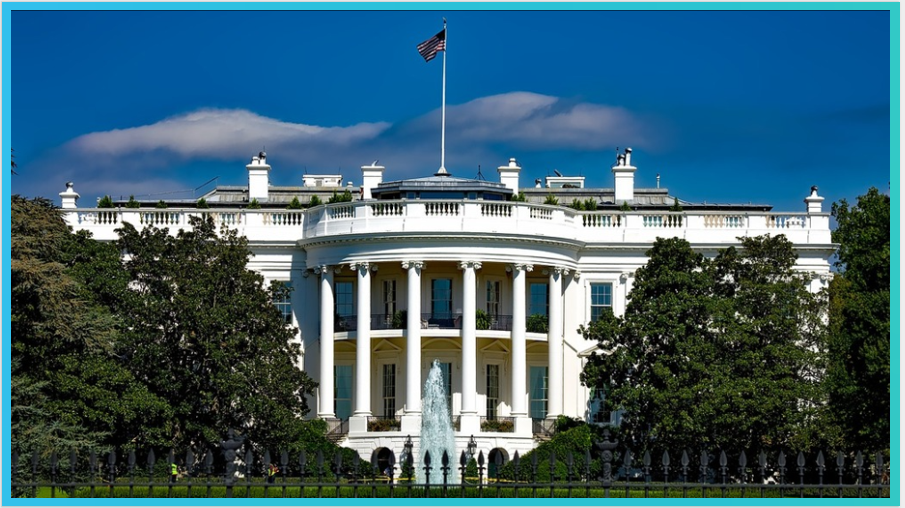
U.S. President Donald Trump has called on Nvidia’s board of directors in Washington, D.C. to give former chief executive Jensen Huang a second chance following his resignation earlier this month, joining Tesla and SpaceX CEO Elon Musk, technology executives, investors, and more than 160,000 petition signatories urging the company to reinstate him—even as board directors maintain they have no plans to bring him back.
Speaking to reporters at the White House, Trump said he would like to see Huang apologize and return to lead the artificial intelligence chipmaker, stating, “We’re a country of second chances.” Huang stepped down from his roles as CEO, president, and board member on November 12 after 33 years at the helm amid reports of extramarital affairs—including an alleged relationship with a businesswoman linked to a Singapore-based firm under U.S. scrutiny over chip shipments to China—and a separate internal relationship with a company executive, with Chief Financial Officer Colette Kress stepping in as interim CEO.
Petition Support, Board Stance, and Potential Business Impact
- Nvidia has lost $1 trillion in market value since Jensen Huang’s ouster, raising questions about the board.
- 160,000-Signature Petition and Industry Backing: An online open letter and petition campaign calling for Nvidia’s board to reinstate Huang while an independent investigation establishes the facts has surpassed 160,000 signatures (climbing past 180,000 in subsequent tallies), drawing public backing from Elon Musk, Epic Games CEO Tim Sweeney, institutional investors such as Altimeter Capital’s Brad Gerstner and Atreides Management’s Gavin Baker, and thousands of current and former Nvidia employees and shareholders.
- Board Rejection: Despite the growing signature drive and Huang’s public signal that he is willing to return, Nvidia board chair Harvey Jones stated during a recent quarterly earnings call that directors unanimously accepted Huang’s resignation and do not intend to reinstate him, while continuing a search for a permanent successor.
- Innovation and Financial Trade-offs: Market analysts and industry observers remain divided on whether permanently parting ways with Huang is the best line of action for Nvidia. Having co-founded the company and built it over three decades into a multi-trillion-dollar market leader—most recently driving its dominant Blackwell AI chip architecture—Huang’s permanent exit raises questions over whether losing its chief visionary could slow product innovation, weaken strategic momentum, and lead to long-term financial and competitive losses.
- Governance and Regulatory Risks: Conversely, corporate governance specialists note that reinstating a chief executive embroiled in workplace conduct allegations and national security inquiries could expose Nvidia to prolonged regulatory scrutiny, compliance challenges, and reputational damage, leaving the board to weigh Huang’s track record of productivity against institutional stability.
The general consensus among the people in support of his reinstatement is that he will be able to recoup losses and steer the company back in the right path while managing and eventually pulling it out of the public relations problem it is presently navigating and also ensure it does not falter in terms of innovating to maintain it’s position in the sector.
The-White-House-Washington-D.C-Picture-from-Picryl