On July 17, 1998, countries around the world adopted the Rome Statute of the International Criminal Court (ICC), a day now recognized as International Justice Day.
The ICC is the court of last resort for victims seeking justice for the most serious crimes in violation of international law. However, this year victims’ access to justice is under threat as the United States escalates its attack on the global rule of law. US Secretary of State Marco Rubio earlier this week announced a stepped-up campaign to “dismantle” the ICC. Behind the rhetoric, the US government wants to hand out “get-out–of–jail–free” cards to whomever it chooses.
In the face of these and other attacks on justice, crucial efforts are being undertaken, often led by survivors, to protect and advance the international justice system.
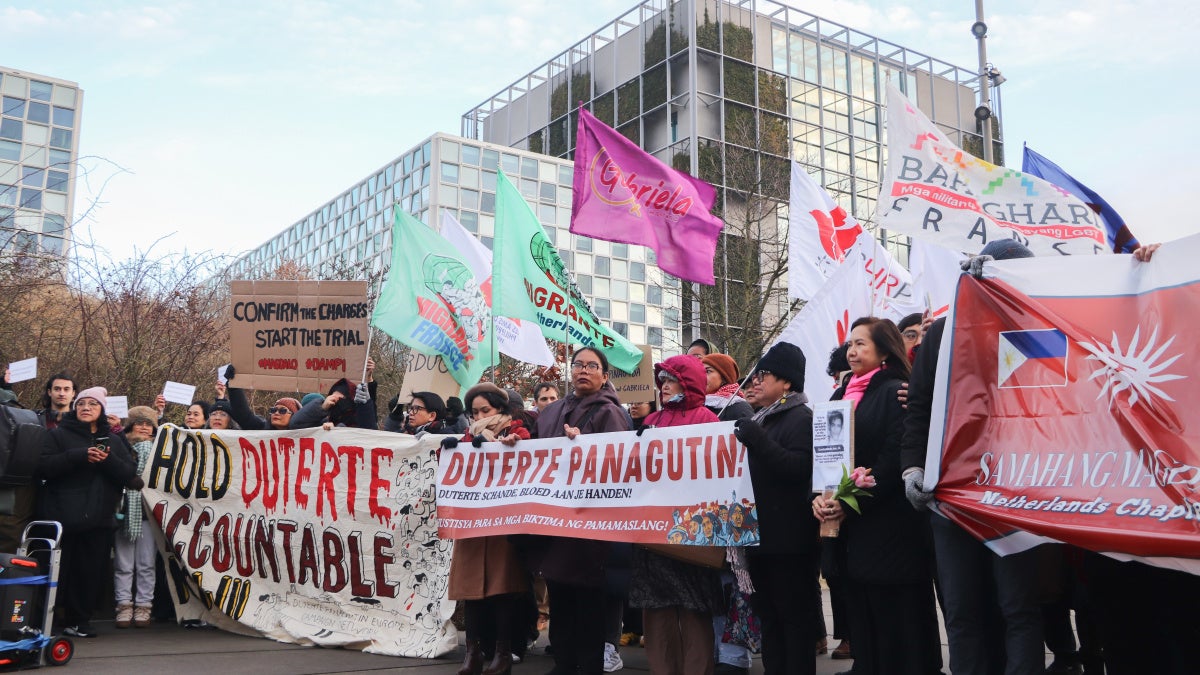
The ICC continues its critical work, including sending a first case from Libya to trial earlier this week. And the trial of former Philippine President Rodrigo Duterte for alleged crimes against humanity during the murderous “war on drugs” is set to start in November.
ICC member countries, United Nations experts, and others have spoken out against the US government’s use of sanctions intended for human rights violators against ICC officials and those working to promote justice.
A number of countries are also working to advance justice at home. In Syria, the first atrocity crimes trial within the country and the ongoing transitional justice process, with their challenges and shortcomings still to be addressed, provide hope that justice is finally within reach. In Lebanon, two members of parliament introduced a bill that would allow prosecution of serious international crimes, opening the door for long-awaited domestic investigations.
In Myanmar and Sudan, survivor and civil society organizations are spearheading creative efforts to seek justice in other countries under the principle of universal jurisdiction, as there are no meaningful avenues for justice in their own countries.
On International Justice Day – and every day – governments should build on these efforts and show they stand by victims of atrocities. They should denounce attacks on the international justice system, show support for the ICC and those cooperating with it, and take concrete steps to protect those under attack.