WASHINGTON — The U.S. Department of Defense and defense contractor Lockheed Martin have reached a landmark 10-year framework agreement covering the procurement of at least 850 F-35 Lightning II joint strike fighters for U.S. forces.
The decade-long operational strategy incorporates production Lots 21 through 30, maintaining a target production rate of approximately 156 aircraft per year while providing long-term demand visibility for the global defense industrial base.
Under the terms of the agreement, Lockheed Martin has committed to self-funding at least $7 billion in program-related investments over the next decade in exchange for long-term procurement guarantees.
Supply Chain Visibility and Manufacturer Capital Commitment
The multi-year framework represents a structural shift from traditional short-term lot procurement to long-term industrial planning. By establishing a 10-year production horizon, defense acquisition officials aim to reduce logistics bottlenecks, enable bulk purchasing of raw materials, and stabilize tier-one sub-tier supply chains.
Overview: Pentagon–Lockheed Martin 10-Year Framework Agreement
+-------------------------------------------------------------------------+
| Scope: Lots 21–30 (Approx. 156 Aircraft Per Year)                       |
| Minimum Aircraft Volume: 850 F-35 Fighter Jets (U.S. Armed Forces)      |
| Manufacturer Self-Funded Investment: $7 Billion                         |
| Est. Taxpayer Cost Savings: $9 Billion to $10 Billion                   |
| Operational Coverage: Aircraft, Initial Spares, Modification Kits,      |
|                      and Global Fleet Maintenance Support               |
+-------------------------------------------------------------------------+
Lockheed Martin Chairman, President, and CEO Jim Taiclet emphasized that the manufacturer’s $7 billion investment will directly fund manufacturing infrastructure, software test capabilities, and global spare parts pooling.
“We have fundamentally changed how we stabilize the American defense industrial base to produce at speed and scale,” stated Pentagon acquisition official Michael Duffey. “By aligning financial incentives with actual performance, we are ensuring our warfighters are equipped with the lethal capabilities they need.”
Structural Elements: Spares, Upgrades, and Cost Efficiencies
Beyond airframe manufacturing, the framework establishes a unified approach to fleet management and technical modernization:
- Spares Pooling and Fleet Readiness: Spares inventory and aftermarket logistics will be unified across production lines to accelerate turnaround times and increase overall mission-capable rates for active squadrons.
- Modernization and Testing Capabilities: Capital investments will upgrade hardware and software testing infrastructure to streamline integration of new combat capabilities and sub-system modifications.
- Fixed-Price Escalation Model: The framework includes performance-based incentives and fixed-price escalation structures designed to yield $9 billion to $10 billion in potential taxpayer savings through volume discounts and supply-chain predictability.
Congressional Approval and Implementation Timeline
While the framework sets the operational scope for the next decade, individual execution tranches remain subject to annual congressional appropriations and formal lot negotiations. Contractual negotiations for Production Lot 20 are expected to conclude in early 2027 prior to formal execution of the Lot 21–30 framework.
With over 1,375 F-35 aircraft delivered worldwide to date, defense officials note that establishing long-term procurement stability will support an estimated 315,000 defense industrial jobs across suppliers in the United States and partner nations.
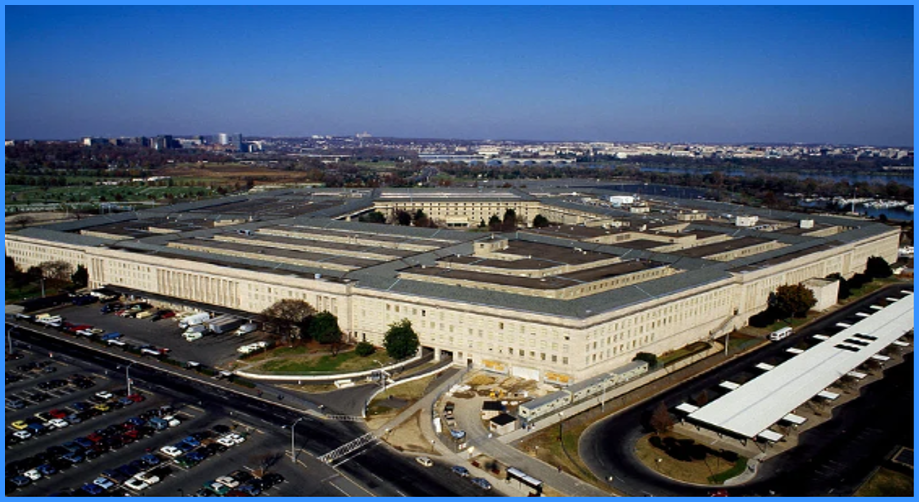
Pentagon Aerial view Image by Carol M. Highsmith’s on Rawpixel