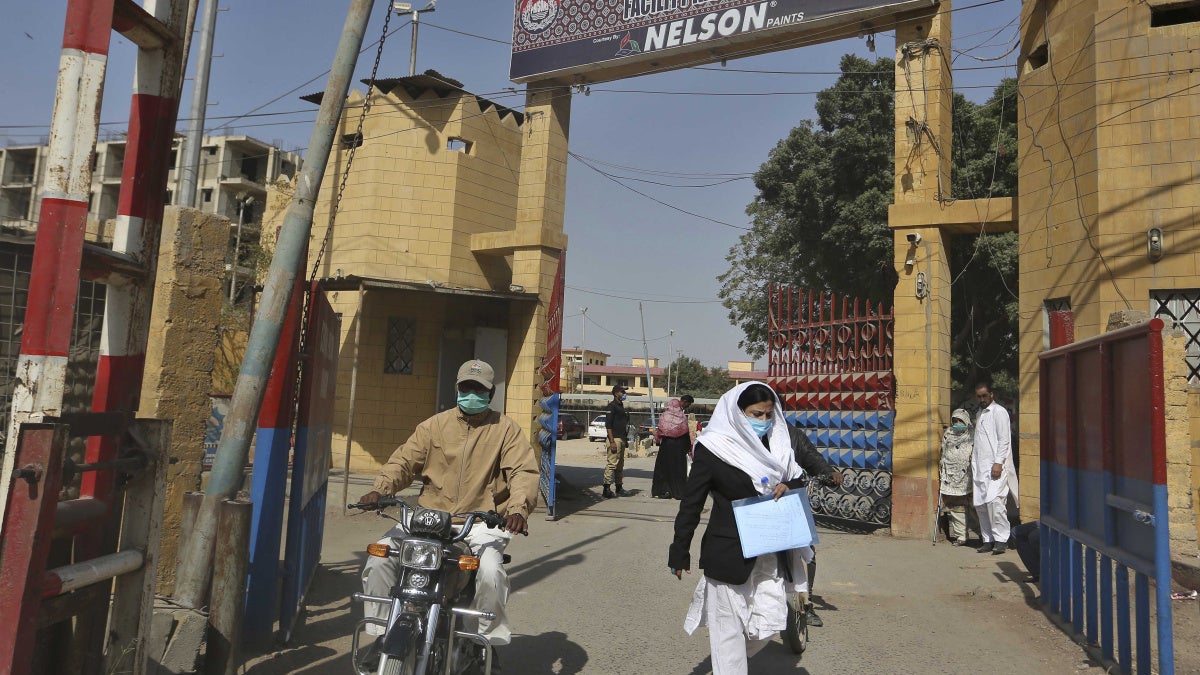
When Pakistani senators visited the prototype Islamabad Model Jail on November 19 and inspected the healthcare facilities that would be available to prisoners, they called them “adequate.” But the conditions they observed on their curated tour are a far cry from the reality most prisoners experience in Pakistan’s justice system.
Human Rights Watch has documented structural and systemic problems in Pakistan’s jails and prisons that leave most inmates with little access to health care. Many inmates who fall ill in custody fail to receive prompt or decent care at all.
After two prisoners died in Peshawar Central Prison following alleged delays in medical treatment, a lawyer petitioned the Peshawar High Court asking that prisons across the province be required to record when prisoners request medical help and establish clear procedures for emergency hospital transfers.
Colonial-era laws have long-enabled Pakistani officials and powerful people to interfere in prison operations, sometimes making use of poor conditions to harass jailed political opponents. In a November 16 letter released by his lawyer, former Prime Minister Imran Khan appealed for urgent medical care for himself and his wife, Bushra Bibi, citing his high blood pressure and her need for eye surgery. Khan’s appeal echoes complaints about medical care in custody from former President Asif Ali Zardari and former Prime Minister Nawaz Sharif. All have alleged that prison services denied access to medical care as a form of punishment.
Federal and provincial governments in Pakistan should bring health care in jails and prisons in line with international standards, notably the United Nations Standard Minimum Rules for the Treatment of Prisoners (the Mandela Rules), which require that prisoners receive necessary free medical care to the same standard available in the community, with prompt attention in emergencies. In October, Justice Project Pakistan called for common standards across provinces so prisoners can see medical specialists when needed and continue treatment after release.
Pakistan’s federal and provincial governments should provide prescribed medicines free of charge and require prisons to record how long patients wait for care. When care requires an urgent hospital transfer, prison authorities should promptly facilitate transport. Authorities should ensure all prisoners, regardless of political affiliation or status, receive timely and adequate medical care, with continuity of treatment.