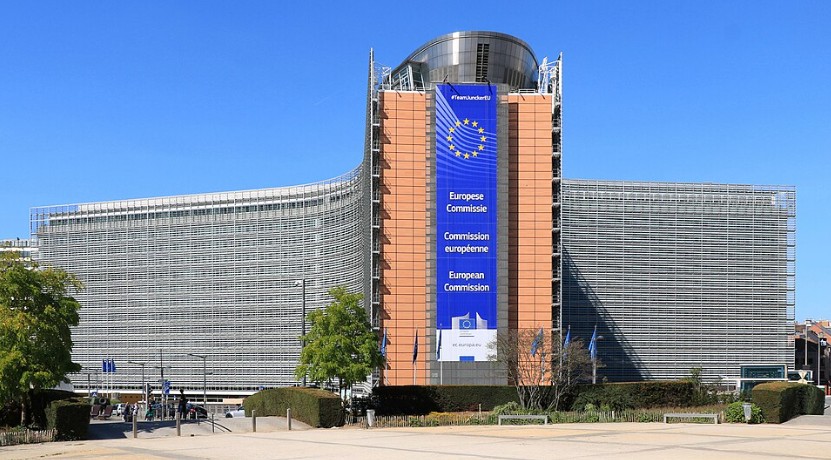
BRUSSELS — The European Commission has launched the inaugural EU Screening Week (running from September 28 to October 4), urging member states to expand routine cardiovascular health checks. Coinciding with World Heart Day on September 29, the initiative forms a key pillar of the European Union’s broader “Safe Hearts Plan”. The initiative targets condition markers that often develop without noticeable symptoms: elevated blood pressure, high cholesterol, and elevated blood sugar levels.
Cardiovascular disease (CVD) remains the leading cause of mortality across the European Union. By promoting early detection and preventive health management, European health authorities aim to address these asymptomatic risk factors before they cause severe medical events.
The ‘Know Your Numbers’ Campaign Framework
The week marks the official launch of the EU-wide “Know Your Numbers” awareness campaign, running through 2027. The program encourages citizens to consult healthcare professionals and track core cardiometabolic metrics.
                 CARDIOVASCULAR RISK IDENTIFICATION PIPELINE

  Routine Community Screening ──► Baseline Metric Review ──► Target Risk Management
  (Mobile Units & Clinics)        • Blood Pressure           (Lifestyle & Clinical Care)
                                  • Lipid Profile (Cholesterol)
                                  • Blood Glucose
                                              │
                                              ▼
  Preventative Interventions ◄── Early Clinical Referral
  (Reduced Stroke & Heart Attack Risk)
The campaign emphasizes three critical indicators:
- Blood Pressure: Persistent hypertension damages arteries and serves as a major risk factor for strokes, heart failure, and kidney disease.
- Cholesterol Levels: Elevated low-density lipoprotein (LDL) contributes to plaque accumulation in arterial walls (atherosclerosis), increasing the risk of coronary artery disease.
- Blood Sugar (Glucose): Uncontrolled glucose levels can indicate prediabetes or type 2 diabetes, exacerbating vascular damage and compounding heart disease risks.
Key Commission Recommendations for Member States
Alongside the launch of EU Screening Week, the European Commission outlined strategic guidance for EU national health ministries to reduce barriers to preventive care:
- Expanding Accessible Checks: Deploying decentralized screening options, such as mobile health clinics and community health centers, to ensure underserved and rural populations can access baseline tests.
- Addressing Health Inequalities: Prioritizing high-risk socio-economic groups to reduce disparities in cardiovascular mortality rates across member states.
- Enhancing Digital Health Literacy:Integrating screening results into digital health tools, including the European Electronic Health Record Exchange Format, to help patients track their health data over time.
- Strengthening Primary Care Integration:Ensuring individuals flagged with elevated risk indicators during public screenings receive direct, streamlined pathways to primary care and cardiology consultations.
Public Health Context
| Dimension | European Health Impact |
| Leading Cause of Death | Cardiovascular diseases account for nearly 4 million deaths annually across the European region. |
| Economic Cost | Estimated at over €280 billion per year in direct healthcare costs and lost economic productivity across the EU. |
| Preventative Potential | Public health data indicates that up to 80% of premature heart attacks and strokes are preventable through early detection and lifestyle adjustments. |
EU Commissioner for Health Olivér Várhelyi highlighted that providing widespread access to straightforward, routine checks empowers citizens to understand their personal health risks and take proactive steps alongside their doctors.The European Commission plans to evaluate national implementation metrics as member states expand local screening events throughout 2027.
The Berlaymont building in Brussels, seat of the European Commission, Wikimedia Picture by EmDee