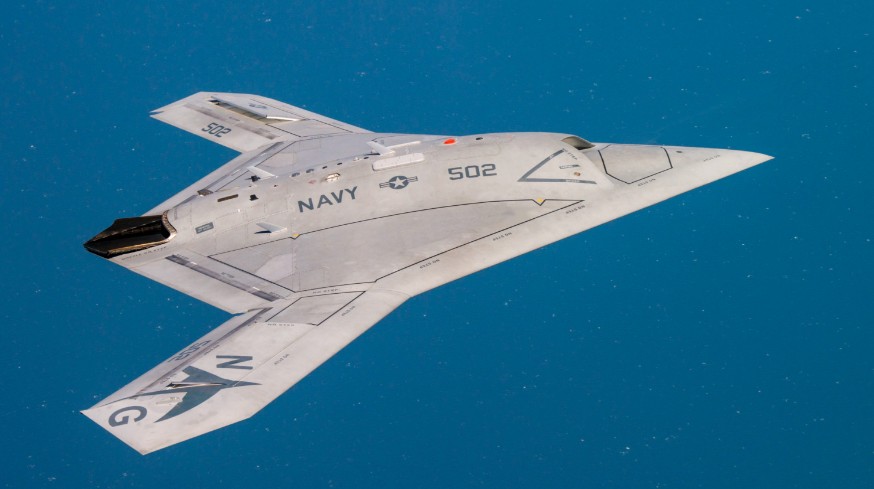
GENEVA — The International Committee of the Red Cross (ICRC) has issued a legal policy guidance reminding combatants and military operators that while unmanned aerial vehicles (drones) continue to reshape modern battlefields, technological advancements do not exempt forces from adherence to international humanitarian law (IHL).
The humanitarian organization emphasized that regardless of the distance between an operator and the target, the fundamental principles governing armed conflict remain fully binding on remote weapons platforms.
Core Legal Directives for Remote Warfare
The ICRC outlined key requirements that military command structures and drone personnel must uphold during combat operations:
- Principle of Distinction: Drone operators are legally required at all times to distinguish between civilian populations and military objectives. Attacks directed at non-combatants, civilian infrastructure, peacekeepers, or medical personnel remain strictly prohibited under customary international law.
- Prohibition of Indiscriminate Attacks: Operators must not deploy weaponry in a manner that strikes military targets and civilians without distinction. Strikes where expected incidental civilian damage outweighs the direct military advantage are illegal under proportionality standards.
- Feasible Precautions: Combatants must take all feasible precautions in the planning and execution of strikes to minimize potential harm to civilians, humanitarian relief workers, and protected medical units.
Summary of IHL Obligations for Drone Operations
+-------------------------------------------------------------------------+
| DISTINCTION                                                             |
| * Explicitly separate combatants from civilian populations and objects  |
+-------------------------------------------------------------------------+
| PROPORTIONALITY                                                         |
| * Cease strikes where civilian risk exceeds anticipated military gain    |
+-------------------------------------------------------------------------+
| PRECAUTIONARY MEASURES                                                  |
| * Mandate real-time verification to safeguard peacekeepers & medical teams |
+-------------------------------------------------------------------------+
Technological Precision vs. Operational Accountability
The ICRC noted that while advanced surveillance sensors on modern unmanned aircraft can provide superior situational awareness—potentially enabling military commanders to make more precise targeting decisions—technology alone does not guarantee compliance.
The organization stressed that human operators and military commanders bear sole legal responsibility for verifying intelligence, assessing proportionality, and ensuring protected personnel—including medical units and peacekeeping forces—are shielded from kinetic strikes.
Unmanned combat aerial vehicle X-47B Picture on Wikimedia by US NAVY Public Domain