The human-driven extinction crisis that we are undoubtedly experiencing today is one of the great challenges of our age.
Human-driven extinctions have been going on in some form for thousands of years. And birds are among the hardest hit, with claims that they have experienced higher levels of extinction over the course of the last 120,000 years than is often realised.
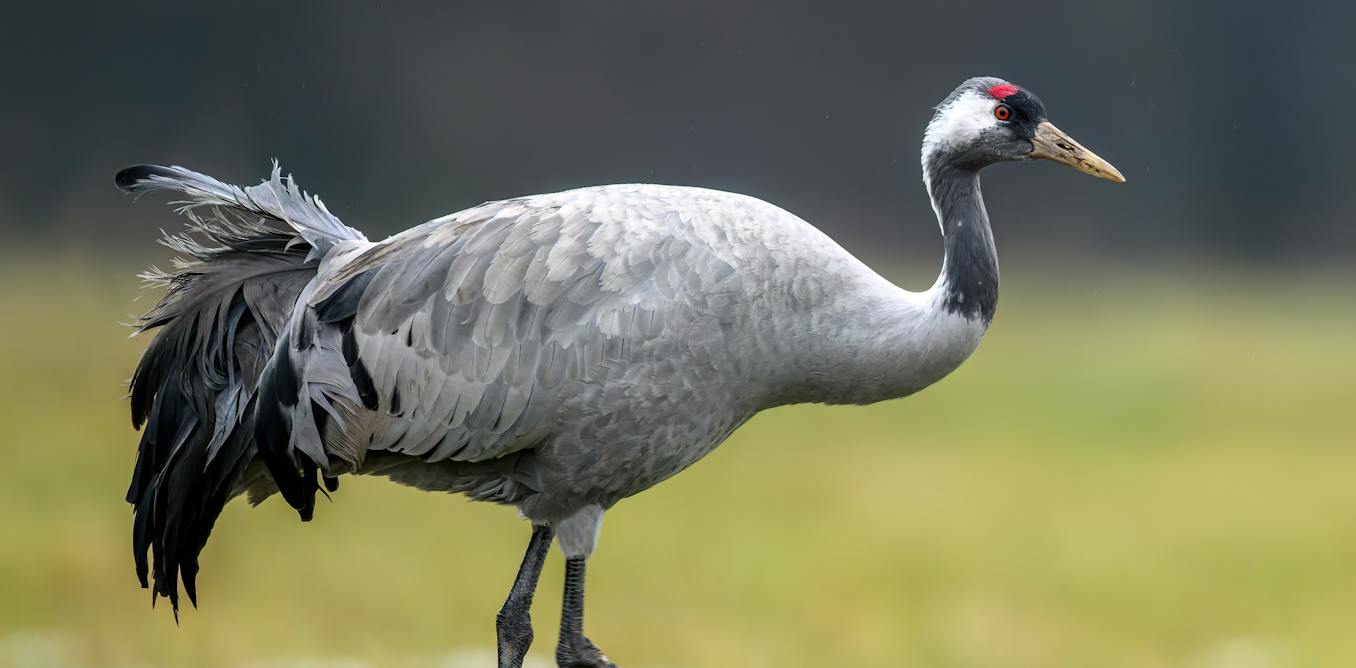
However, it might be that some of these claimed extinctions require re-examination. Our recent study used ancient DNA analyses to resolve the identity of a large crane known from remains dating from possibly 20,000 years ago or more, until about 2,000 years ago. This crane was classified 150 years ago as a distinct species known as Grus primigenia.
There is a longstanding controversy over whether the classification of this extinct continental bird is valid and reliable. This giant, primeval crane was named in the 19th century by the French biologist Alphonse Milne-Edwards, from bone fragments found in caves in the south of France.
These first bones attributed to Grus primigenia were dated to the end of the last ice age. Since then, many other remains of cranes have been attributed to the extinct species.
Other ideas about the identity of these large cranes have been proposed over the years since their first description. Some authors suggested that they represented large living species such as the sarus crane Antigone antigone, found today in Asia and associated with monsoon climates.
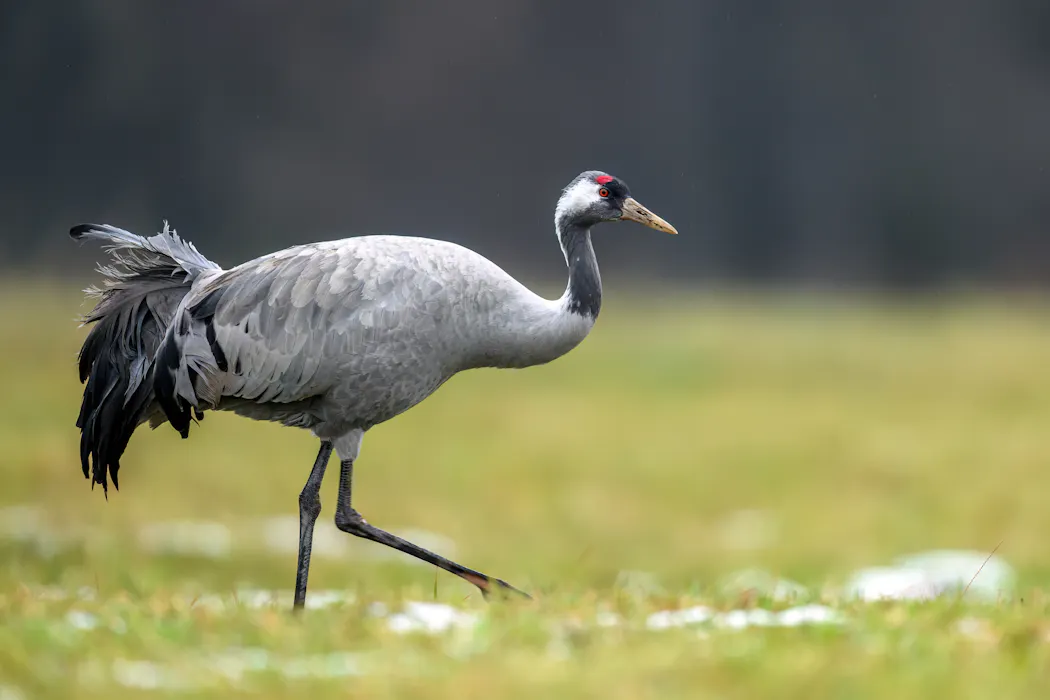
Alternatively, some thought they might be Siberian crane Leucogeranus leucogeranus, which breed in the tundra of eastern Siberia. However, the suggestion that they were simply larger versions of the common crane (Grus grus), still living in Europe today, has regularly been proposed.
To investigate the identity of the primeval crane we sampled 18 crane bones from England, Wales, France, Germany and the Balearic Islands and included specimens of a variety of sizes.
The results of the analysis, done at the Centre for Palaeogenetics in Stockholm, Sweden, strongly suggest that they all belonged to the same species, the living common crane, and that the other proposed identities could be excluded.
Why so many species?
The next stage of the analysis was to determine why these large cranes had been given distinct species status. One of the justifications for their identification as a separate species was that there appeared to be two species in the past in Europe. The smaller individuals were thought to belong to the smaller common crane and larger ones were considered to be members of the extinct crane species.
However, even before our findings were published, there was a clue that this was a misreading of the situation. A survey of the modern common crane revealed that male birds exceed the size of females; they are highly sexually “dimorphic” – where males and females of a species exhibit significant physical differences.
This was important because when the ancient cranes were compared to the modern birds there appeared to be very few cranes in the past that were the size of modern female birds.
Instead, there were cranes that were the size of modern males and ones that were even larger. These larger birds have been attributed to the extinct species of crane. This appeared to suggest that the common crane had shrunk in size over time.
Using a molecular genetic methodology, we uncovered the sexes of the crane specimens used in this study to determine if the larger birds were dominantly males and the ones that conformed to the size of modern males included females. The result was clear: size change and sexual dimorphism had erroneously implied that two separate species had lived in Europe during the last 20,000 years.

Vladimir Wrangel
Local extinction
The latest individuals that exceeded the modern common crane in size are from Lincolnshire in England. They had been excavated from an Anglo-Saxon archaeological site at Flixborough, where there was evidence that high-status people may have feasted on them.
This indicates that some time during the approximately 1,000 years since the Lincolnshire finds, the common crane shrank in size. Why this occurred is unclear, although the fact that the species disappeared from Britain and many parts of Europe since that time is probably relevant. However, the birds returned to the UKof their own accord during the 1970s.

Andy333 / Shutterstock
Wetland drainage, along with hunting and the harvesting of eggs from nests, have been blamed for the British local extinction about 400 years ago. The former is perhaps the most likely cause of the size decrease, as it might be symptomatic of habitat degradation across the birds’ range.
The implications of this detailed analysis of the longest-standing controversy in recent avian extinction may be that caution needs to be exercised when reviews of historic extinctions are made.
If birds are not identified from living individuals, like the great auk was, and are instead named based on the sizes of bones from the past, molecular analyses are probably needed to confirm that they are indeed separate species.
Many extinct animals have been declared as species based on such characteristics. This suggests that at least some are likely to be differently sized individuals of the same species – not a separate one.

The authors do not work for, consult, own shares in or receive funding from any company or organisation that would benefit from this article, and have disclosed no relevant affiliations beyond their academic appointment.