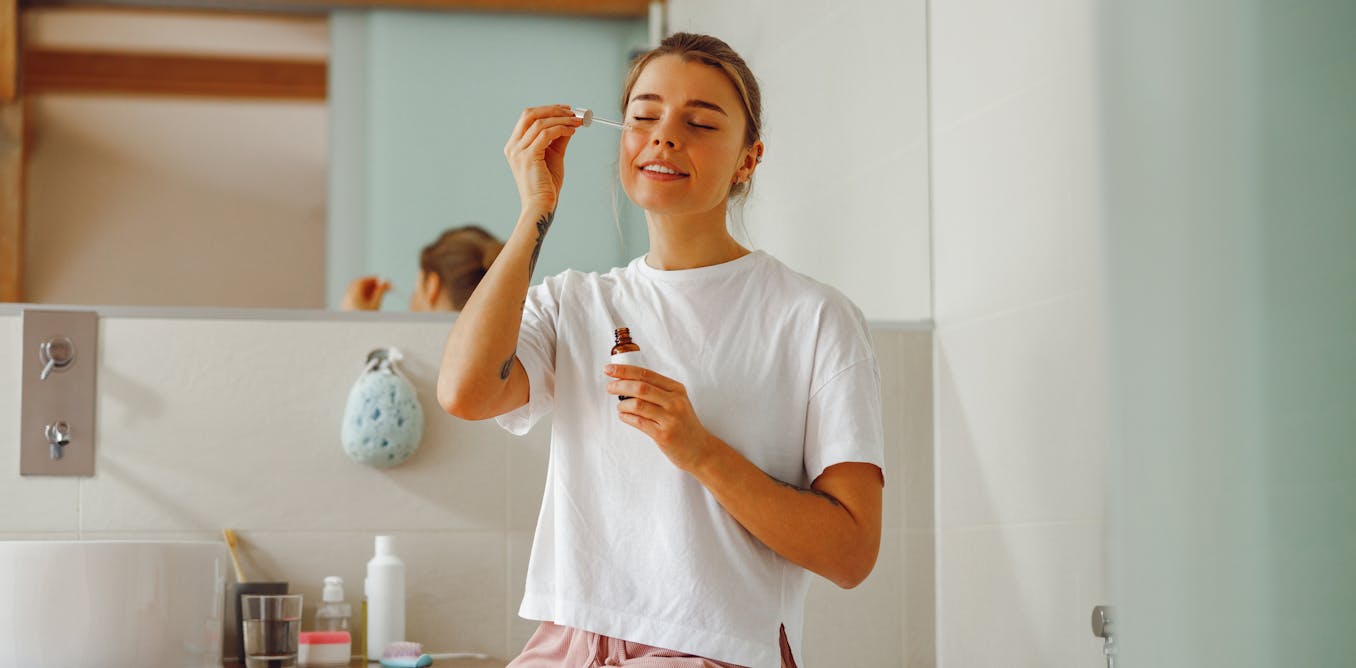
Peptides have become one of the skincare industry’s most popular ingredients. It’s no wonder why, with evidence showing these powerful molecules hold the secret to healthier, firmer and more radiant skin.
But out of the many peptides that exist, one in particular has been gaining attention lately in the beauty industry: copper peptides.
It’s not surprising that copper peptides are garnering so much attention. This peptide is special because of its ability to multitask – with research showing that not only does it help make the skin firmer and more supple, it also protects the skin from damage.
The human body naturally produces many types of peptides. Each supports vital body functions, acting like tiny building blocks of life. Many help form the foundation of essential proteins – such as collagen and elastin, which help keep skin healthy and youthful.
The three main types of peptides in cosmetics are: carrier peptides, signal peptides and neurotransmitter-inhibiting peptides.
Carrier peptides aid in wound repair by physically transporting important minerals into the cells to initiate repair.
Signal peptides can prevent ageing by stimulating the activation of the skin’s fibroblasts – specialised skin cells that produce substances such as collagen, a protein which helps maintain the skin’s elasticity.
Neurotransmitter-inhibiting peptides act like botulinum toxin, relaxing facial muscles by blocking the signals that make them contract. This may reduce wrinkles.
Copper peptides are actually a type of carrier peptide. They’re produced naturally by your body. But as we age, the concentration of copper peptides in our bodies drops. Applying synthetic, lab-made versions – found in creams, serums and masks – can help replenish these molecules and help your skin.
Copper peptides were first discovered in 1973. Research found that these molecules aided wound healing, which is why the first commercialised carrier peptide in 1985 was designed to deliver copper into wounded tissue.
After gaining research attention for this role, further studies examined what other functions copper peptides had on the skin. Researchers found that they had anti-ageing, anti-inflammatory and renewing properties and also supported hair growth.
Copper peptides act as little helpers that tell your skin cells to repair and rebuild themselves. They do this by boosting collagen and elastin, key proteins that keep your skin feeling smooth and firm.
Copper peptides have been also found to reduce inflammation and calm skin redness, too. But perhaps most crucially, they have been found to act as antioxidants, fighting damage caused by pollution and the sun’s ultraviolet rays.
On top of that, copper peptides improve wound healing. This is why they’re often used after cosmetic treatments – such as face and neck lifts and micro-needling – that can damage the skin. Copper infused wound dressings are also used to help chronic wounds heal faster.
Overall, skin cell studies have shown that copper peptides increase collagen production, improve skin thickness and skin elasticity. Clinical trials and lab tests confirm these benefits, making copper peptides one of the most researched anti-ageing ingredients.
marevgenna/ Shutterstock
For best results, you might want to try applying it twice a day – first in the morning so it can act as a potent antioxidant, then in the evening so it can replenish collagen overnight.
Copper peptides can also penetrate the skin more effectively when delivered with microneedles, which makes them even more useful in advanced skincare products.
Copper peptides v other peptides
Other peptides do work well on the skin – such as palmitoyl-based peptides and acetyl hexapeptide-8 peptide – both of which fight wrinkles. But these both work differently to copper peptides.
Palmitoyl peptides signal the skin to make more collagen, while acetyl hexapeptide-8 relaxes facial muscles to reduce expression lines, acting like a less expensive version of botulinum toxin.
Copper peptides stand out among these other peptides because they can do the work of multiple peptides in one. Copper peptides boost collagen, improve skin healing and fight oxidative stress. This appears to make them better at preventing the signs of ageing.
Some skin cell studies show they work even better when combined with other well known skincare ingredients, such as hyaluronic acid (which boosts hydration).
However, some combinations of peptides can cause copper peptides to be unstable – making them fall apart. This could increase skin sensitivity, especially when combined with peptides, such as vitamin A and C.
Copper peptides themselves can also cause, in a few people, some skin irritation and mild allergic reactions. If you find you experience these symptoms after using copper peptides, stop use immediately.
Copper peptides are more than just a trend – they’re backed by science. They help keep skin healthy and speed up healing. They might even play a role in future cancer treatments.
Research has shown copper peptides turn on genes that tell damaged cancer cells to shut themselves down and stop replicating. They’ve also been shown to fix other genes that control cell growth and repair.
If you’re curious about skincare, copper peptides may be worth incorporating into your daily routine. Just remember that good, healthy skin also needs other measures – such as sunscreen, hydration and a healthy lifestyle.

The authors do not work for, consult, own shares in or receive funding from any company or organisation that would benefit from this article, and have disclosed no relevant affiliations beyond their academic appointment.